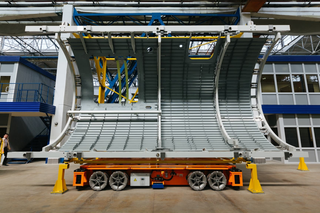
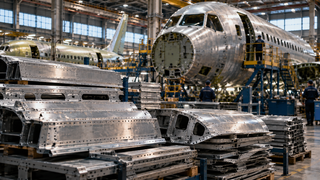
The forecast for the comprehensive program for the development of the civil aviation industry (CPDCAI) in Russia through 2035 should take into account that it will not be possible to quickly increase production capacity. This was stated by Fyodor Borisov, chief expert at the Institute of Transport Economics and Transport Policy at HSE University.
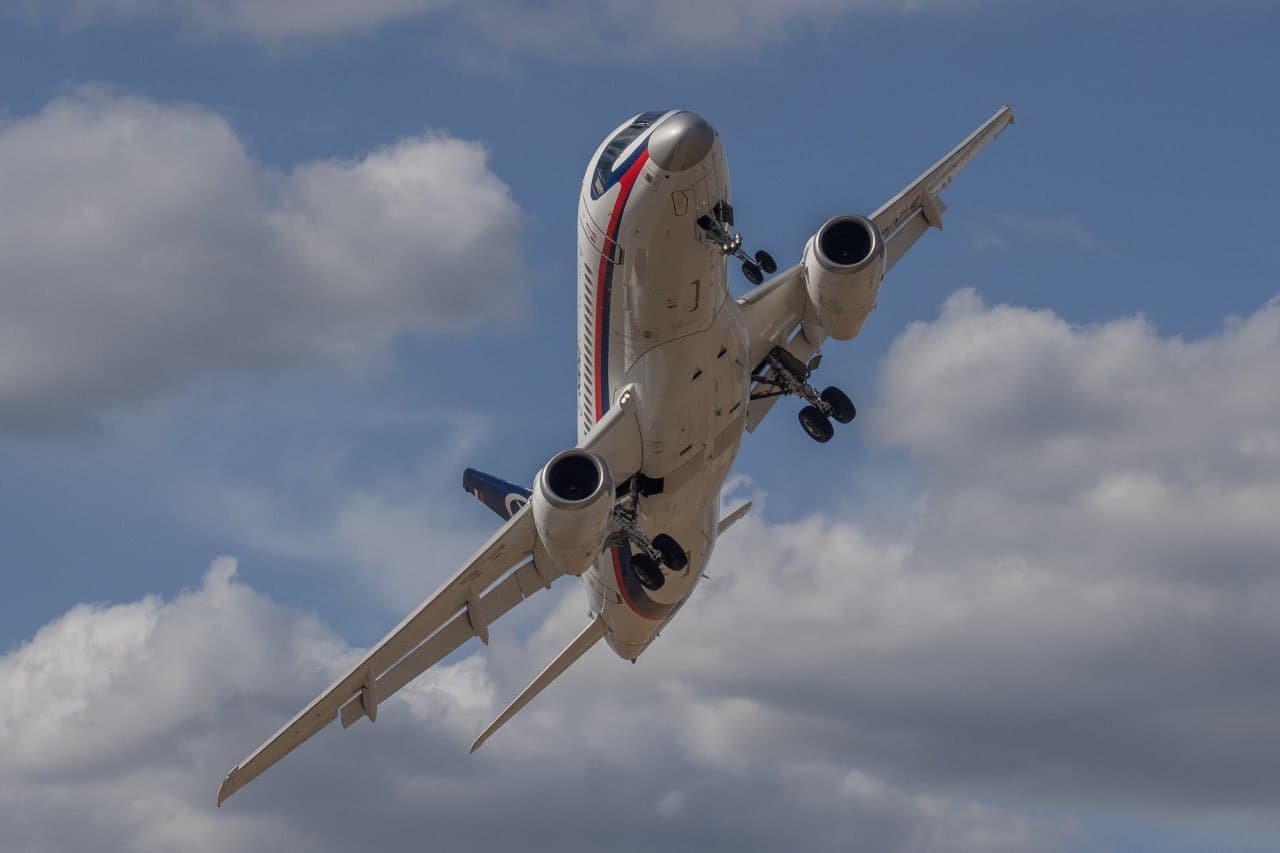
According to him, the task facing the aviation industry of achieving 50% import substitution in the fleets of Russian airlines is understandable in the current geopolitical realities.
It will not work in such a way that funding is allocated, and then thousands of qualified employees immediately come running from somewhere and get to work, standing at machine tools that also came from somewhere. All of this takes time, and aircraft output will increase gradually.
Borisov added that carriers also need to train pilots, engineers, and technicians to work with the new aircraft. There are also nuances involving certain equipment for airport infrastructure.
But these are also tasks that airports solve in their day-to-day operations, rather than something that requires radical changes and innovations.
Earlier, Andrei Patrakov, founder of the flight safety and certification service RunAvia, told "Pervomu tekhnicheskomu" that the plans set out in the CPDCAI cannot be implemented.
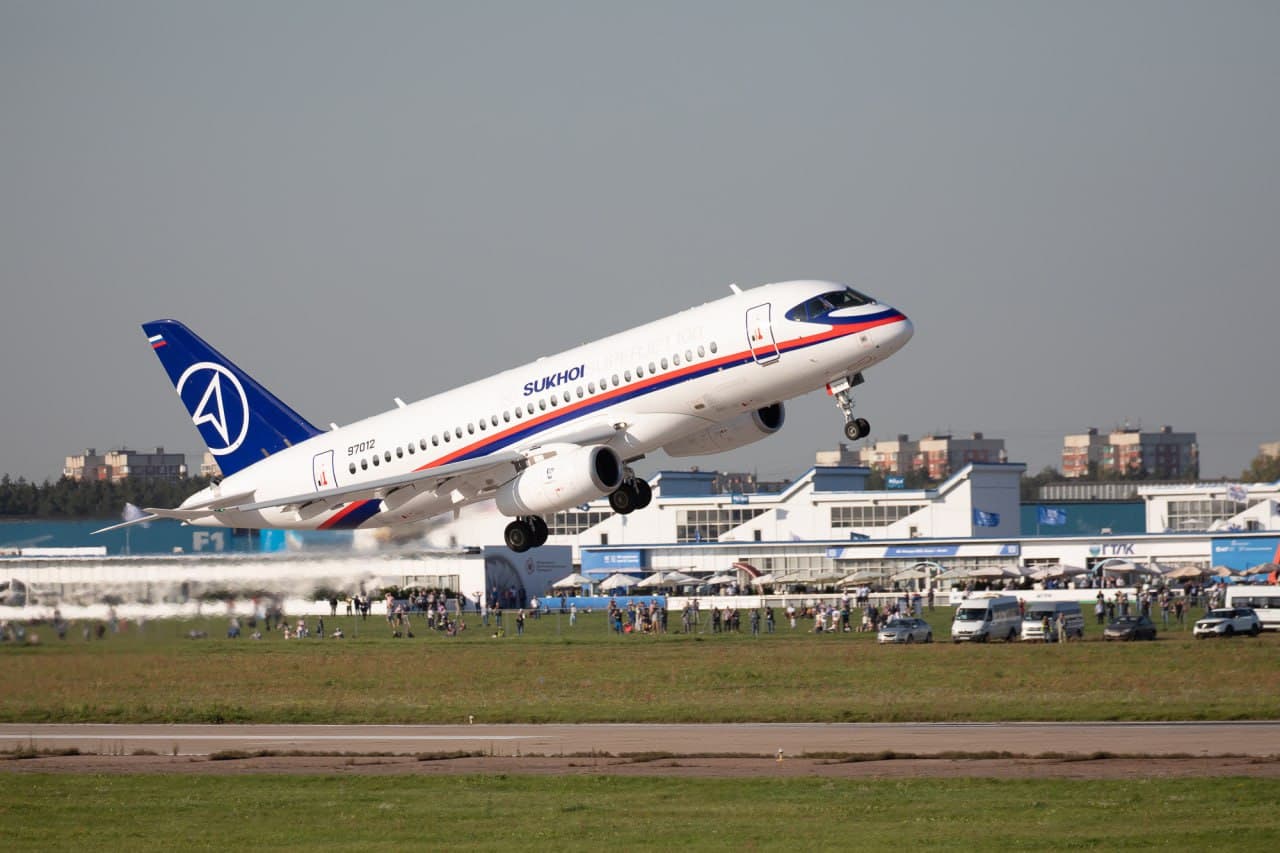
At the same time, First Deputy Prime Minister of the Russian Federation Denis Manturov recently noted that the CPDCAI will still be revised, but only after the certification of the SJ-100, MS-21-300, and Il-114-300.
Earlier, economists explained how to correctly assess the economic efficiency of the MS-21-310 airliner with PD-14 engines.
Read more materials on the topic:
- The flight of the LMS-901 "Osvei" aircraft was postponed by two years
- Airlines abandoned the Il-96 due to inefficiency
- The first three Yak-130M aircraft were promised to be built by 2027
Never miss our newsAdd this site to your preferred sources to see us more oftenAdd on Google