Translated with AI from the Russian original.
The Soviet An-2 remained the backbone of local aviation for decades — simple and rugged. The new LMS-901 "Baikal" is being developed as its direct replacement on regional air routes.
Some experts believe that "Baikal" is inferior to the An-2, while others hold the opposite view. "Pervyi Tekhnicheskii" compared the two aircraft by key parameters and gave its own assessment.
1. Speed and efficiency
The An-2 flies at a speed of about 180–190 km/h. The "Baikal" — up to ~300 km/h.

The new aircraft is noticeably faster and potentially more economical thanks to its turboprop engine and modern aerodynamics. This is its main trump card on regional routes; here we record a win for the LMS-901.
2. Flight range
The An-2 can fly ~800–1000 km with a payload. The "Baikal" — up to ~1500 km (ferry range), with a useful payload — comparable to the An-2.

In real conditions there is almost no difference. At full load both aircraft operate in the same range, so this is a draw.
3. Takeoff and landing
The An-2 has unique takeoff and landing characteristics, a short takeoff run, and the ability to operate from unpaved surfaces. For the "Baikal," runway requirements of 200–250 m have been stated, but it is still a classic monoplane.
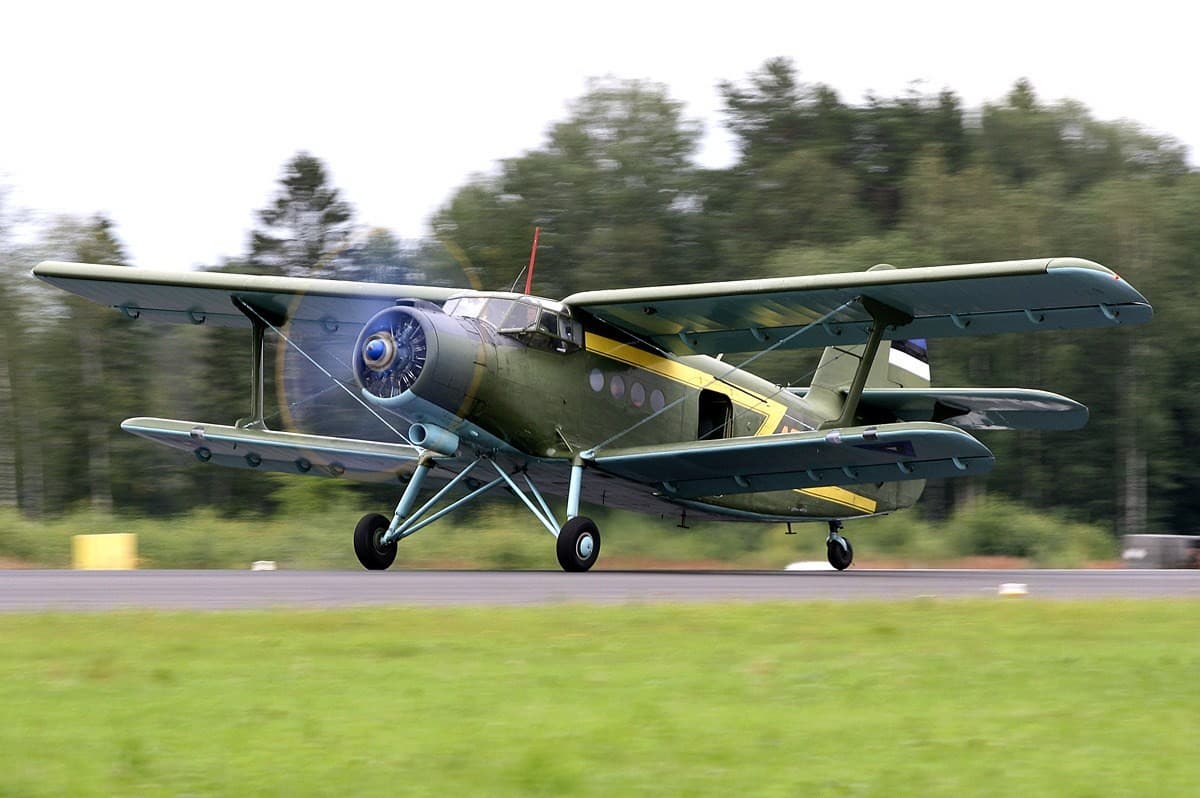
The biplane layout of the An-2 gives it an unattainable advantage when operating "from a field" and at minimum speeds; here the point goes to the "kukuruznik".
4. Payload capacity and versatility
The An-2 can take on board up to 1,500 kg or up to 12 passengers. The "Baikal" — about 1,000–1,200 kg of payload or up to 9 passengers due to certification limits.
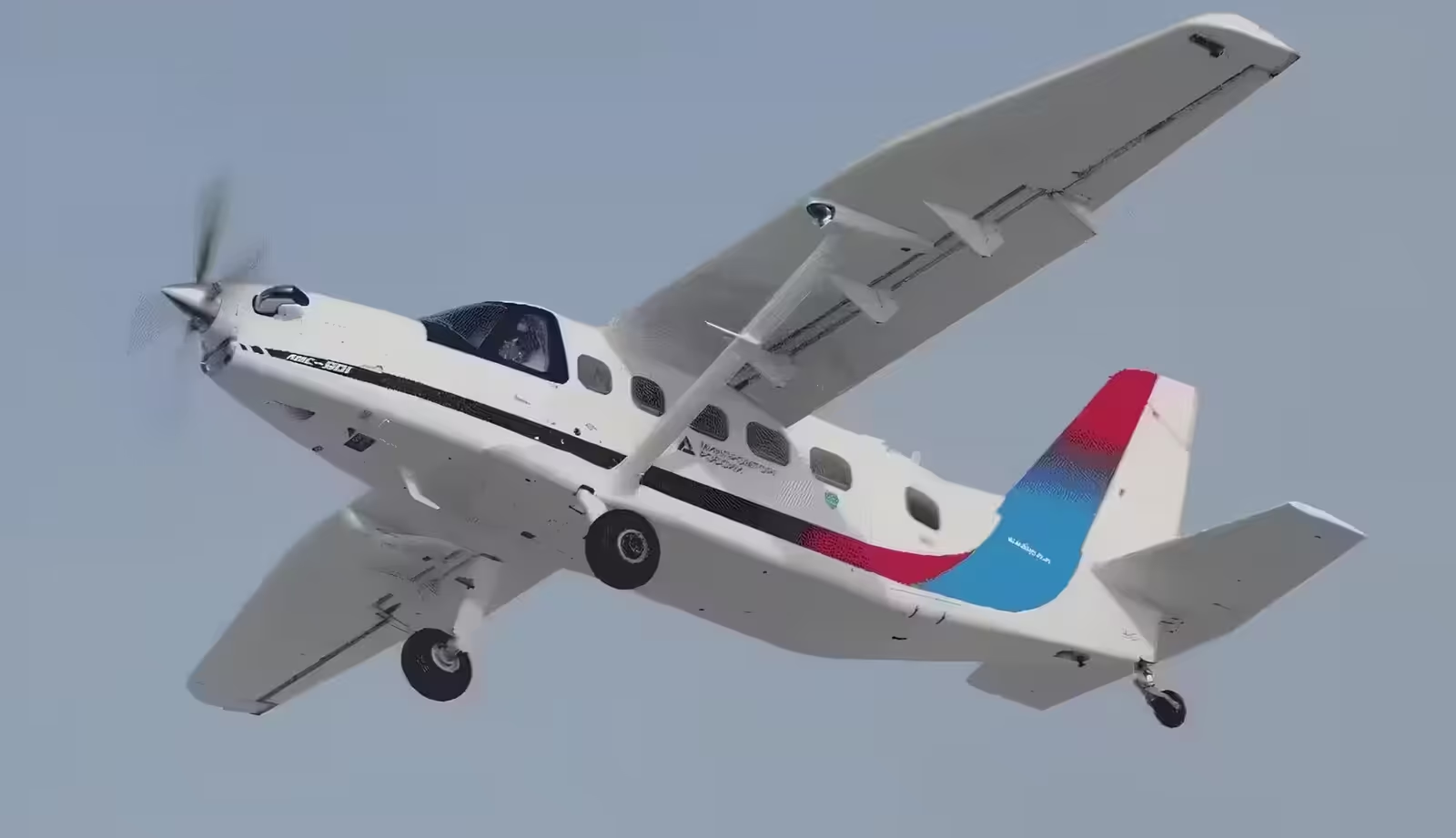
The Soviet biplane is objectively stronger here as a "truck" and a universal platform for various tasks, so it wins.
5. Technology and operation
The An-2 is as simple and repairable as possible, but outdated. The "Baikal" received modern avionics, but the VK-800SM engine is still being refined, and the serial production base is still being formed.
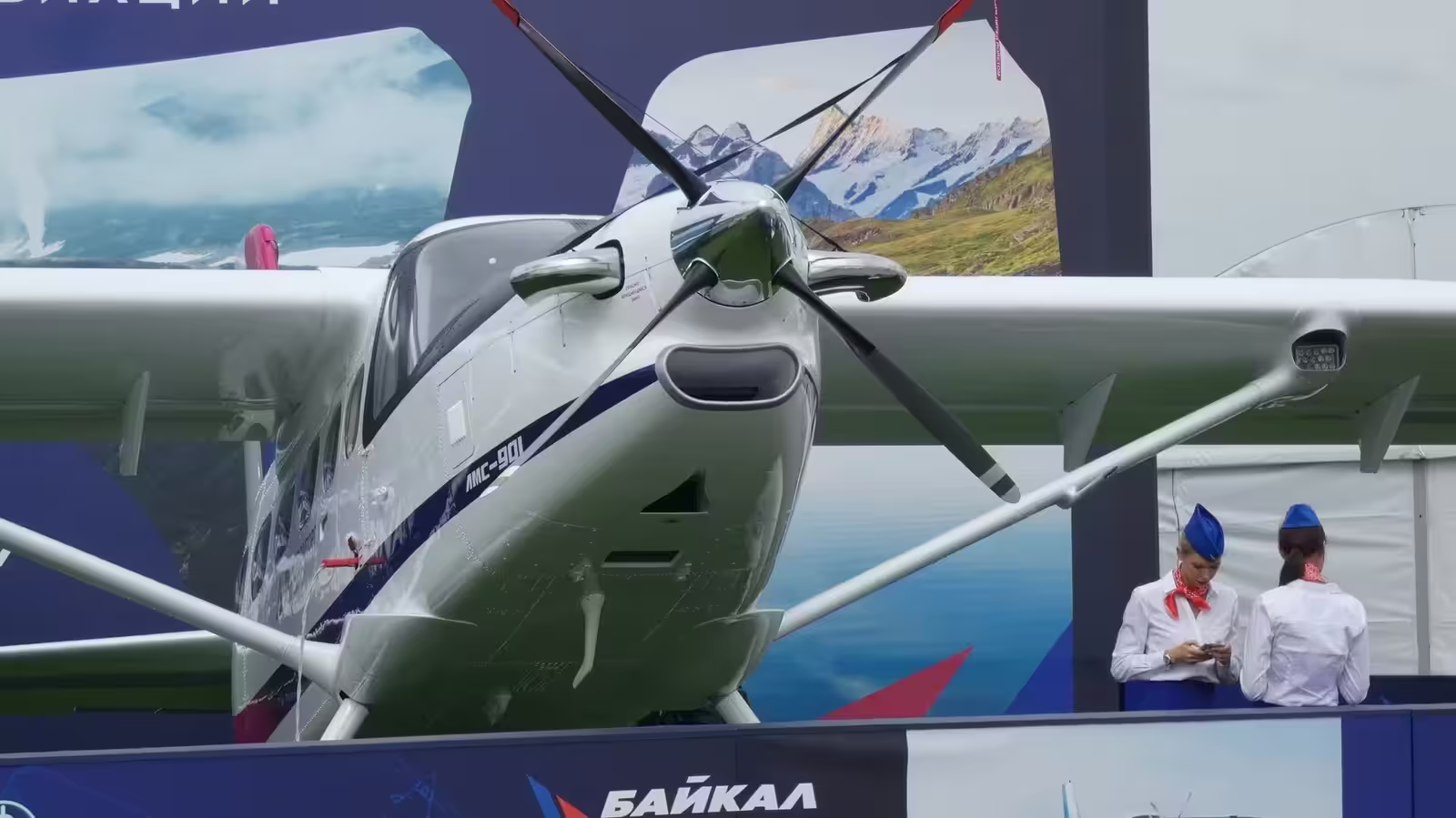
The new aircraft is more promising, but has not yet proven its reliability in mass operation, so we call this a draw.
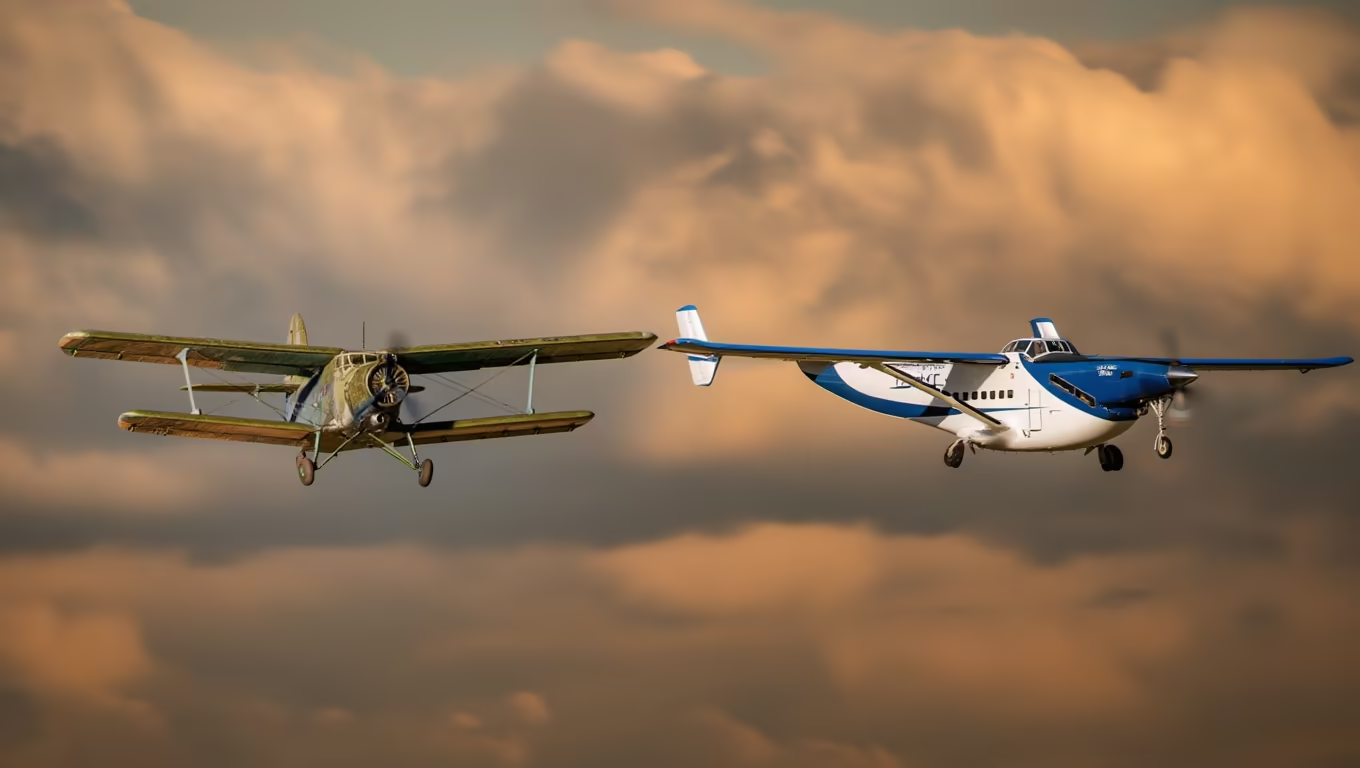
The final score is 2:1 in favor of the An-2. Although the "Baikal" wins in speed and economy, the An-2 remains unmatched in cross-country capability and cargo work.
This is not a direct replacement, but a change in philosophy. The "Baikal" is a new-generation regional aircraft. The An-2 is a machine for the harshest conditions, one that has not yet been fully replaced.
Read more materials on the topic:
- No imports in the cockpit: "Baikal" aircraft received a Russian communication system
- Drowning in debt: the manufacturer of the LMS-901 "Baikal" has again been summoned to court
- The former director of a secret Roscosmos plant began working on "Baikal" aircraft
Never miss our newsAdd this site to your preferred sources to see us more oftenAdd on Google

















