Translated with AI from the Russian original.
The new Russian aircraft LMS-901 "Baikal" will become an entirely new project in comparison with the An-2. The Soviet biplane was a brilliant design for its time, but it is time to look to the future, aviation expert Roman Gusarov told "Pervomu tekhnicheskomu".
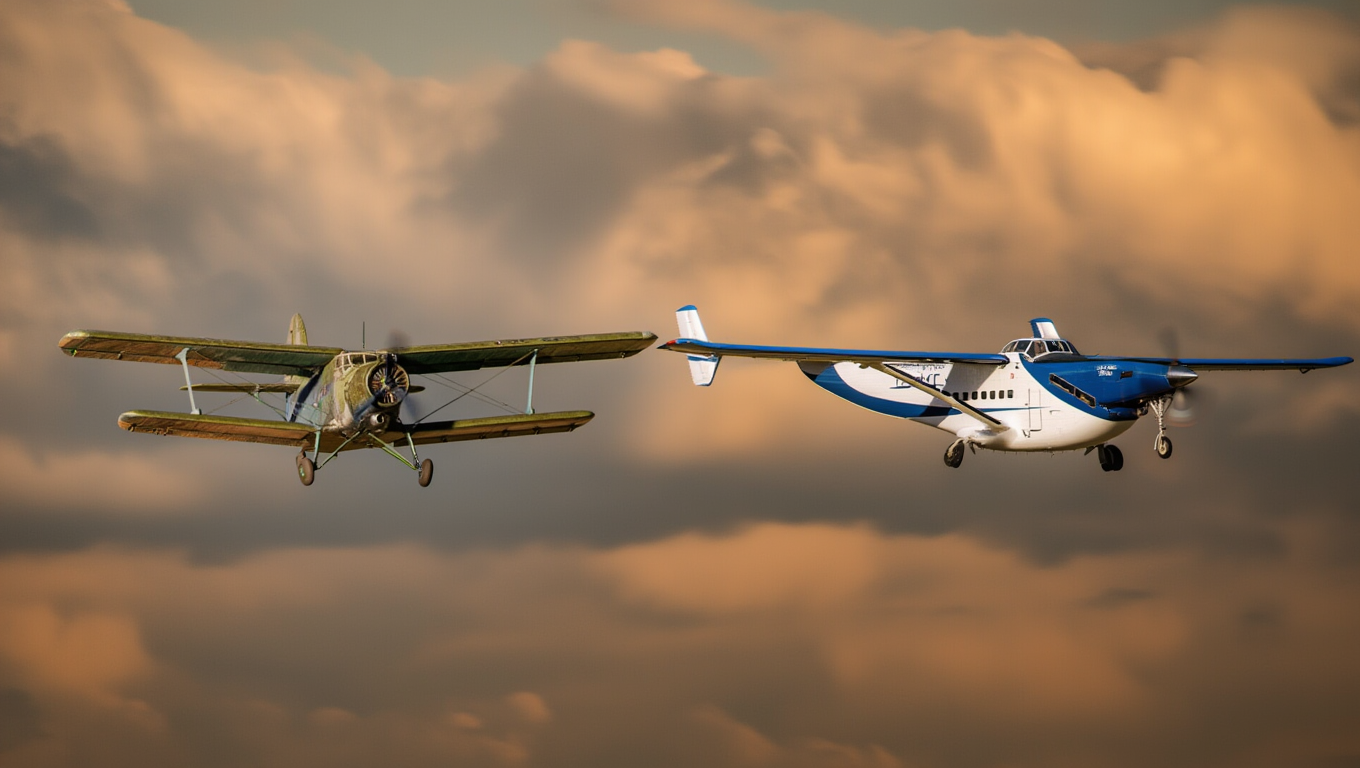
According to him, the "Baikal" could have been flying long ago if the engine had been ready. The first flight of the LMS-901 took place back in 2019, but after the shift toward import substitution, UZGA is waiting for the powerplant.
These are two parallel things. You know, it is like taking old "Zhiguli" and a new "Lada." You can clean the "kopeika" of rust, repaint it, rebuild the engine — but it will remain a "kopeika." And then there is a conventional Vesta with heated seats, cruise control, and a rain sensor. Both are "Lada," but the difference is obvious. Everyone chooses according to their needs: for certain tasks, a restored An-2 will do, while for other transport operations, the "Baikal" will be suitable.
Gusarov stressed that it is impossible to operate the An-2 indefinitely; it has been produced since 1948, and its engine dates back to a 1937 design.
Yes, it is a long-liver, an absolutely brilliant machine with an almost unlimited service life, which is why it has lasted so long. But still, no matter how you look at it, a cart is different from an automobile. You can take an imperial carriage — luxurious, beautiful, with springs — but it will still be a carriage, not an automobile.
Let us recall that the "Baikal" is designed for 9 passengers, reaches speeds of up to 300 km/h, and is capable of flying distances of up to 3,000 km.
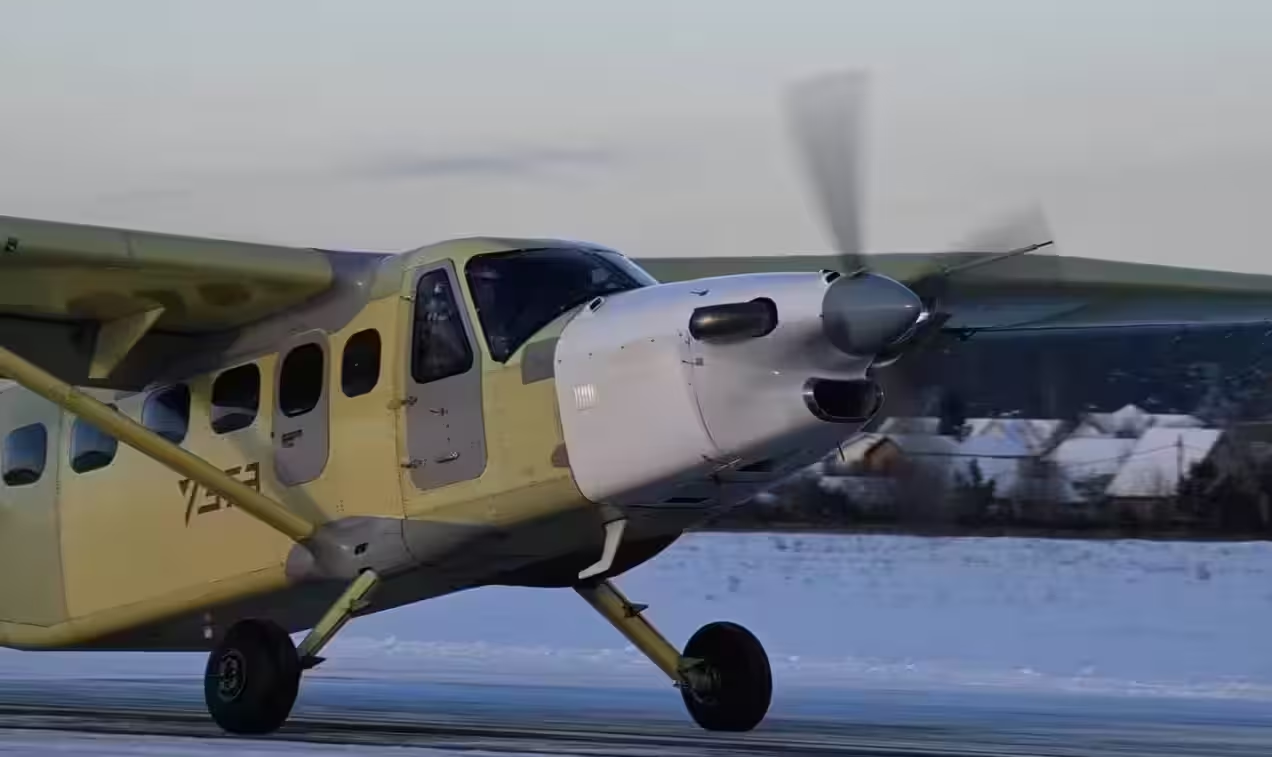
The project is supposed to eliminate the shortage of light aircraft on local routes, where outdated "kukuruzniks" are still in use. However, its cost remains the main question, and it may prove unaffordable for regional airlines.
Read more materials on the topic:
- The turboprop engine intended to replace the ASh-62IR on the An-2 has stalled without progress
- ODK has set a course toward reducing the weight of new aircraft engines
- Copying other people's technologies is holding back the aviation industry in Russia
Never miss our newsAdd this site to your preferred sources to see us more oftenAdd on Google

















