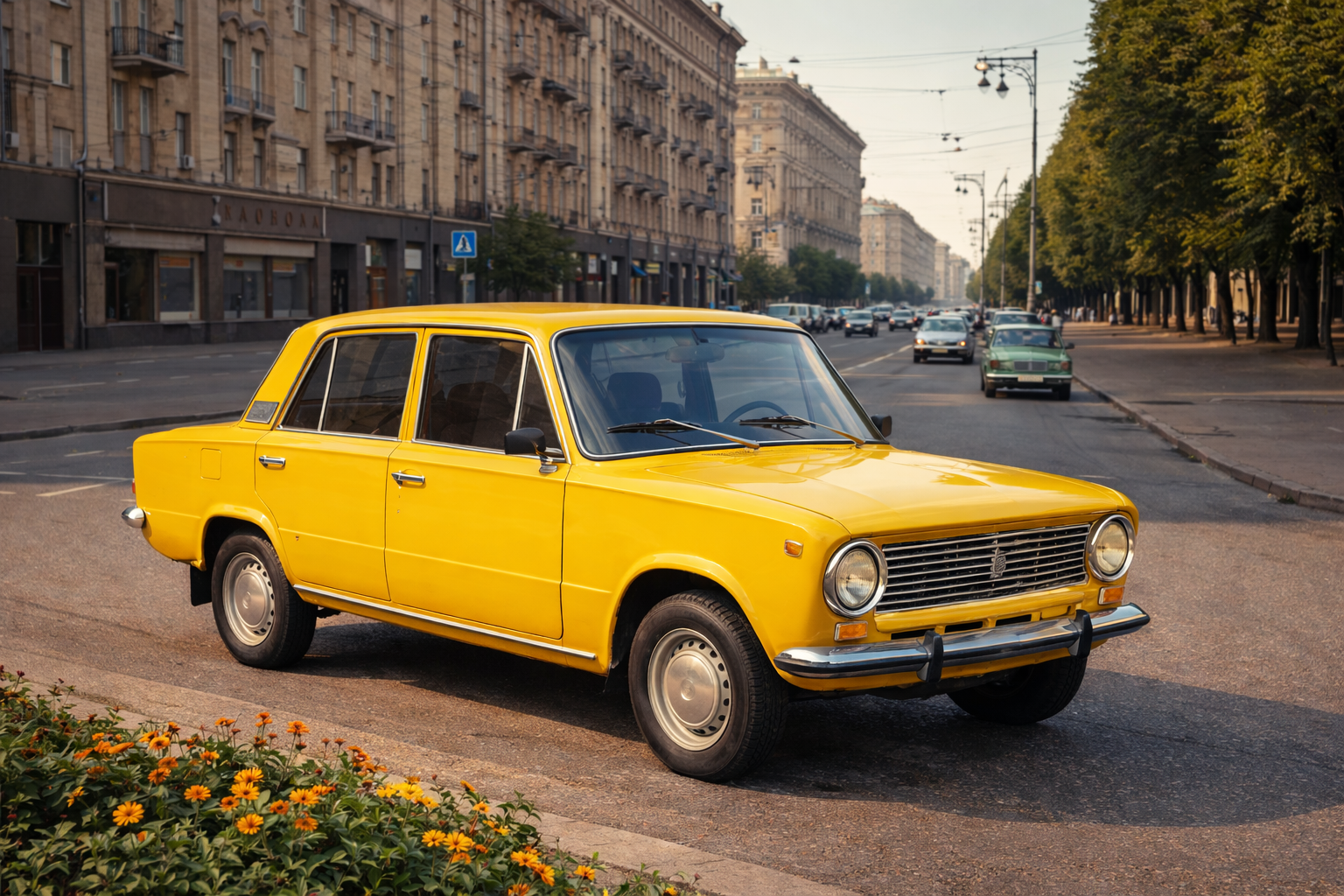
Exactly 56 years ago, on April 19, 1970, the first six VAZ-2101s were assembled in Togliatti. At that time, there were only a few cars, but it was with them that the history of the car began, which was destined to become a symbol of an entire era and one of the most recognizable models in the USSR.
Why This Day Was Special
April 19, 1970 fell on a Sunday, but it was declared a special working day. On that day, the first six cars were assembled: two blue and four cherry.
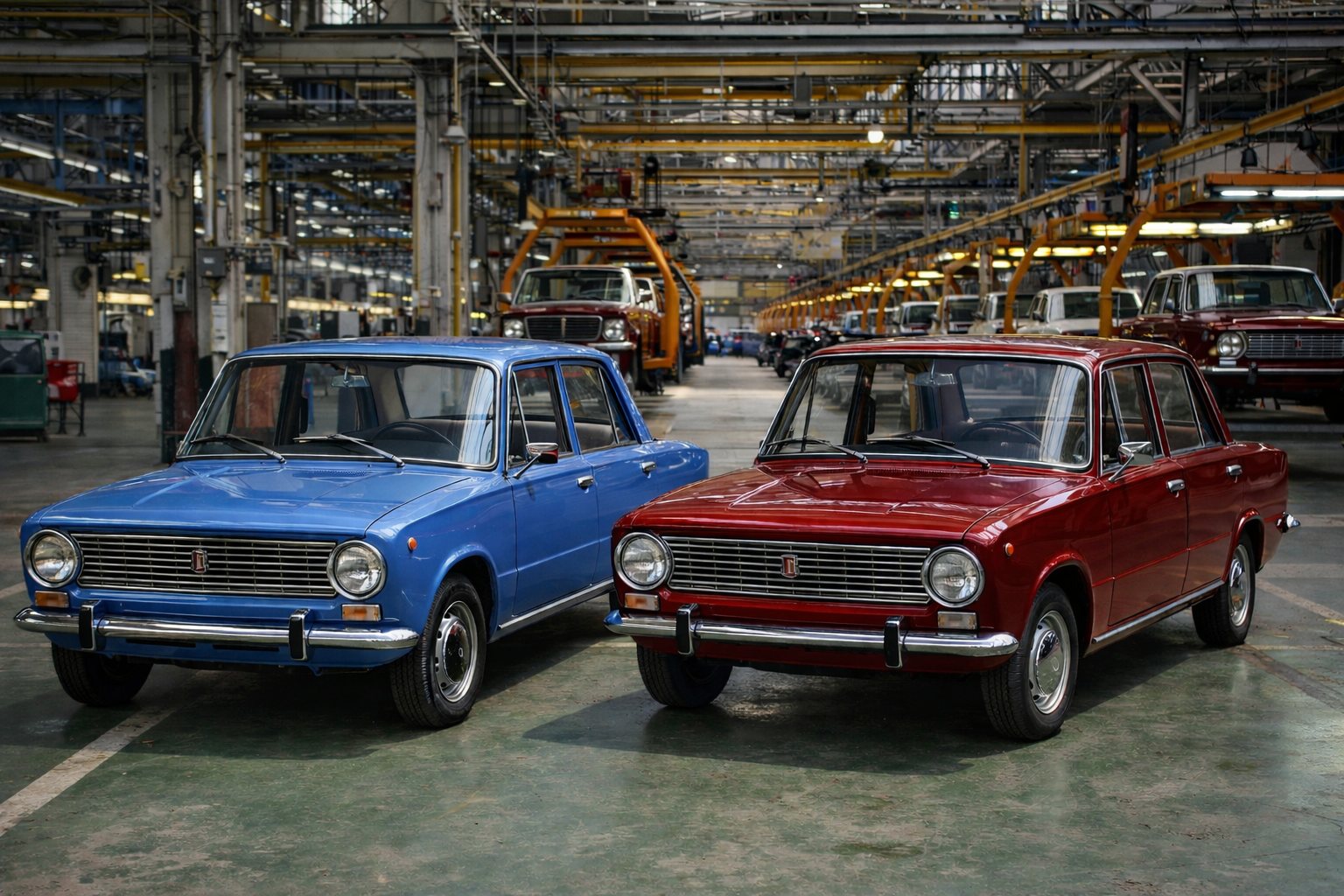
These six cars marked the beginning of mass production. At AvtoVAZ, April 19 is still celebrated as Car Day.
Why the "Kopeyka" Became So Important
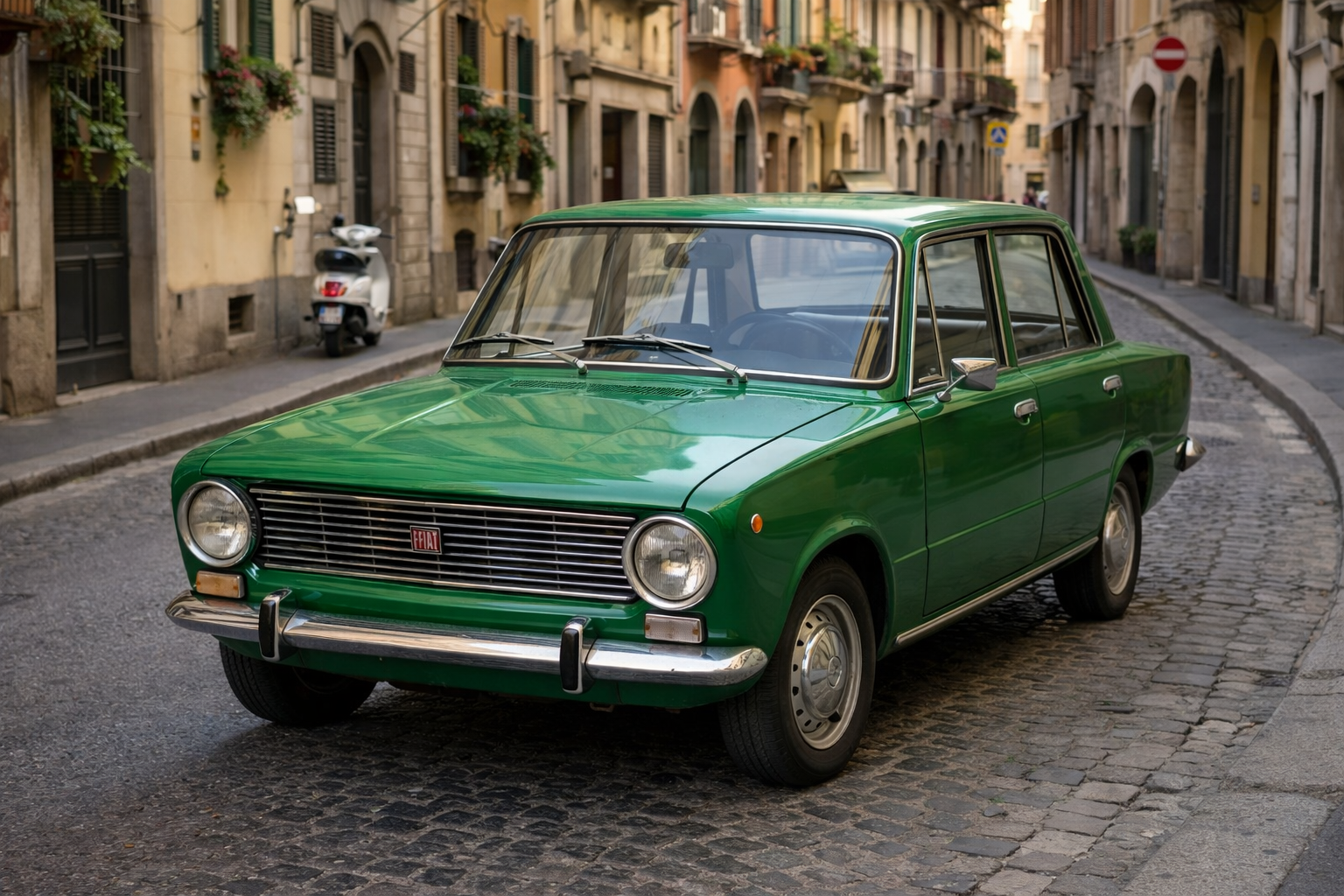
VAZ-2101 was not just a copy of an Italian car. The car was made more adapted to Soviet roads, climate and operating conditions. The basic FIAT 124 for the USSR was seriously redesigned.
For millions of families, this was the first personal car. It became a true people's car.
How Many "Kopecks" Were Produced in Total
VAZ-2101 was produced from 1970 to 1988. During this time, more than 4.8 million cars of the first "Zhiguli" family were produced, of which 2,702,903 cars were VAZ-2101 and another 2,143,997 were VAZ-21011.
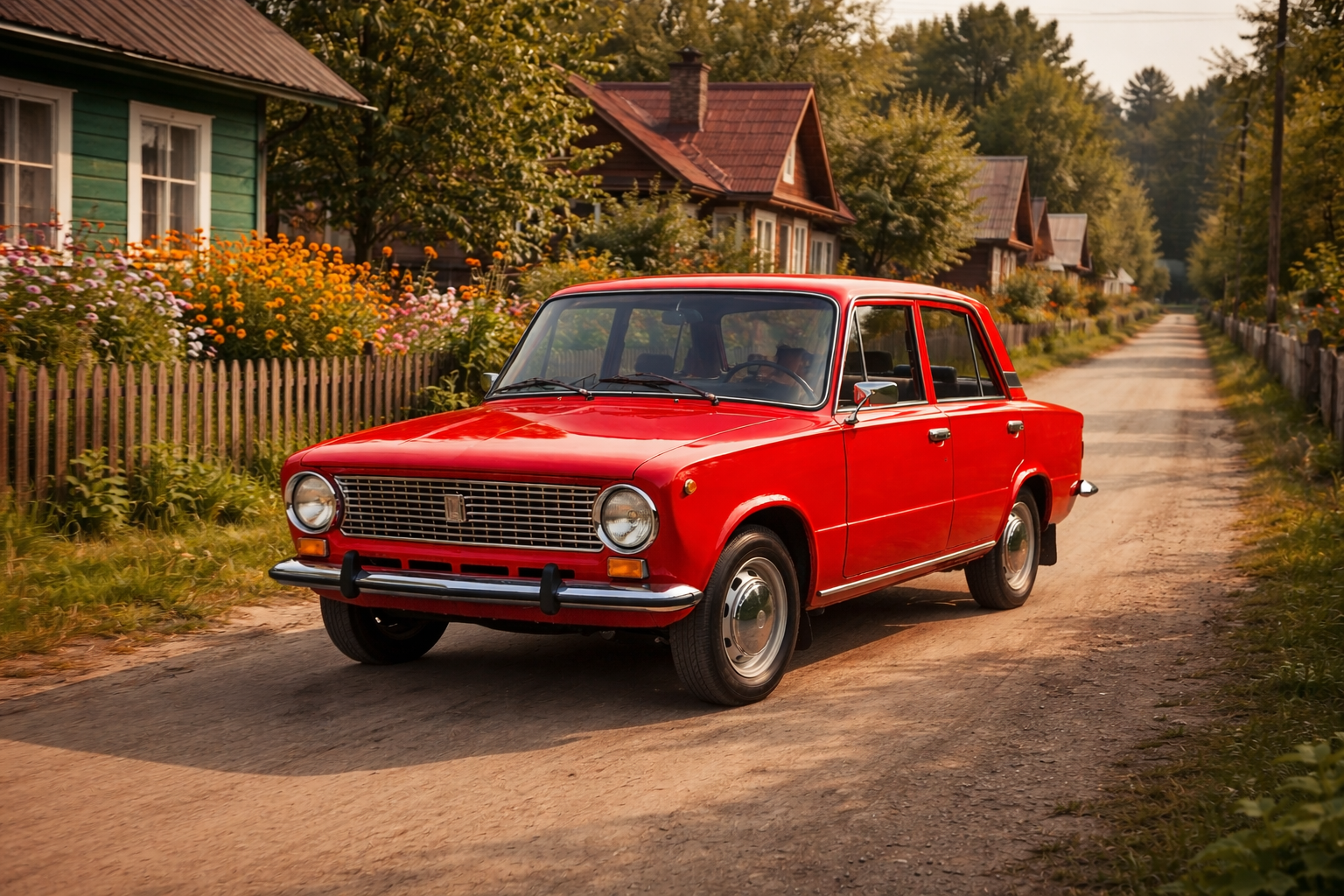
Despite everything, the most famous and symbolic was the VAZ-2101 — the very "Kopeyka" that started it all. Later, the VAZ-21011 appeared — a modernized version with a more powerful engine. The station wagon on the same base was named VAZ-2102.
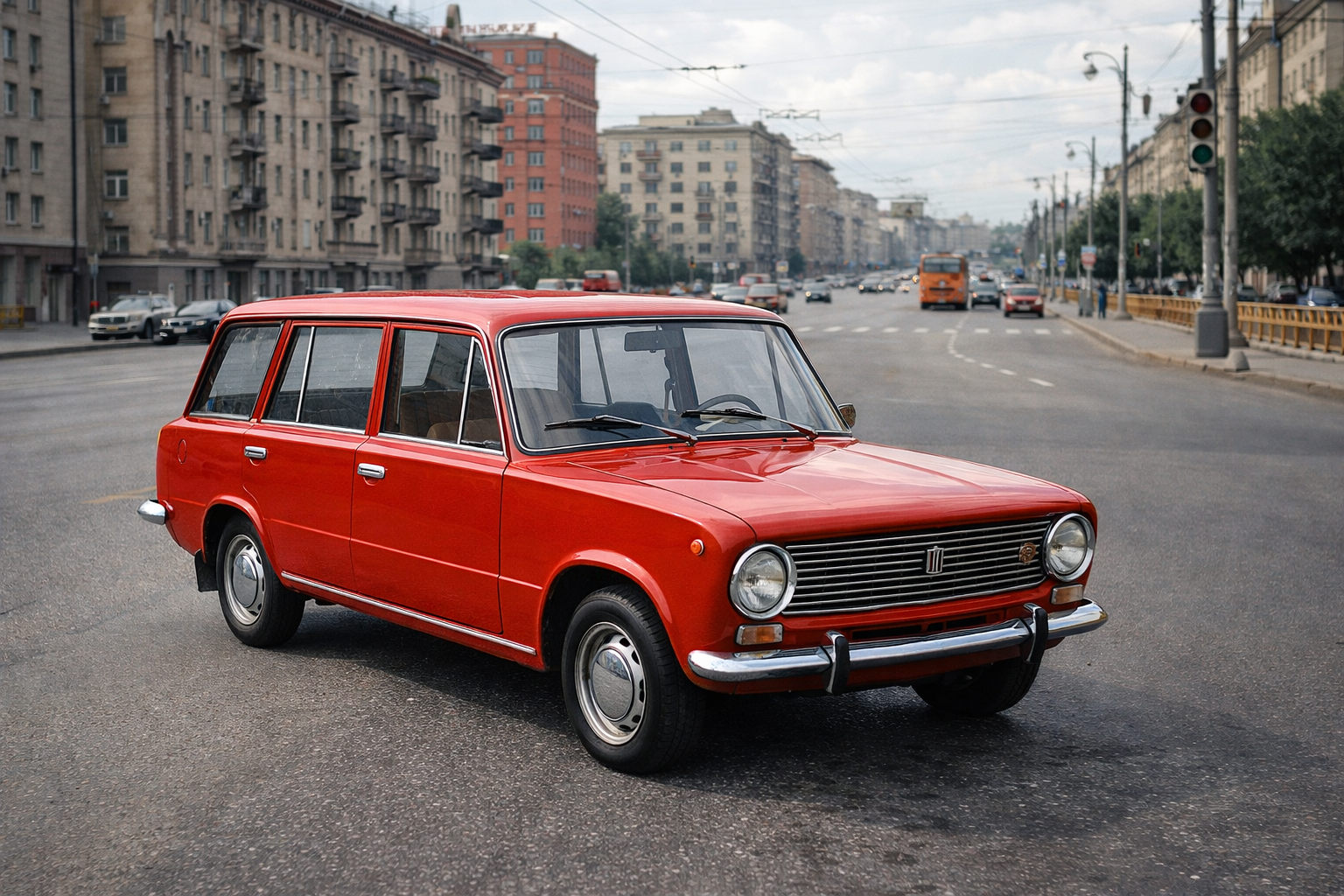
For many, it was the VAZ-2101, VAZ-21011, and then the entire "classic" in general that became the most recognizable models of that era.
Today, the VAZ-2101 remains one of the main legends of the Soviet automotive industry. And it all started with six cars assembled in Togliatti on a special working day — April 19, 1970.
Read more on the topic:
Never miss our newsAdd this site to your preferred sources to see us more oftenAdd on Google