The media often voices the opinion that the production of Tu-214 at the Kazan Aviation Plant named after Gorbunov (part of PJSC "Tupolev")suffers from the rapid parallel development of MC-21 at the Irkutsk Aviation Plant. Andrey Zhukovsky, Associate Professor at the Department of Strategic and Innovative Development of the Financial University under the Government of the Russian Federation, explained why such a "confrontation" is an incentive, not a threat, for the industry.
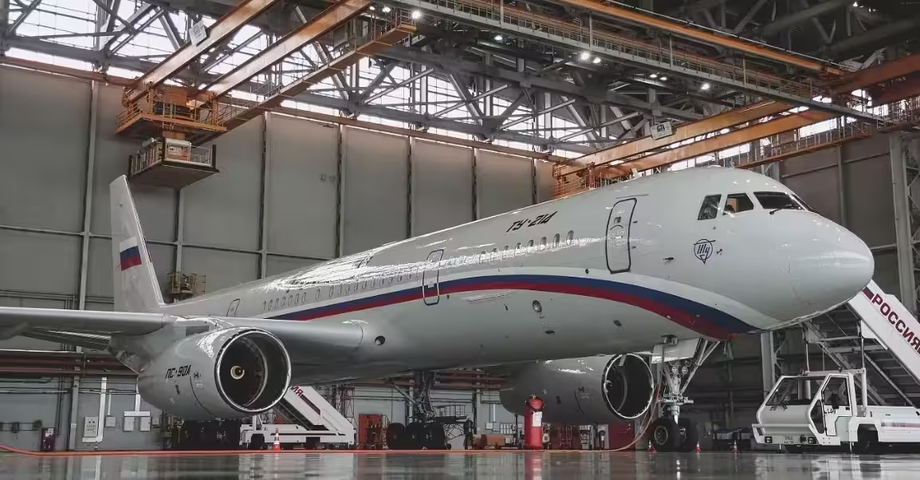
The future is being decided
According to him, organizing the production of aircraft is a science-intensive process and requires broad cooperation of suppliers and engineering competencies.
For example, the same Airbus involves 50 countries, and in Russia they were able to build a system within one country. If we consolidate this success, we can be calm about the future of our aviation industry.
Competition instead of monopoly
Healthy competition, the associate professor believes, supports the development of engineering schools and related industries.
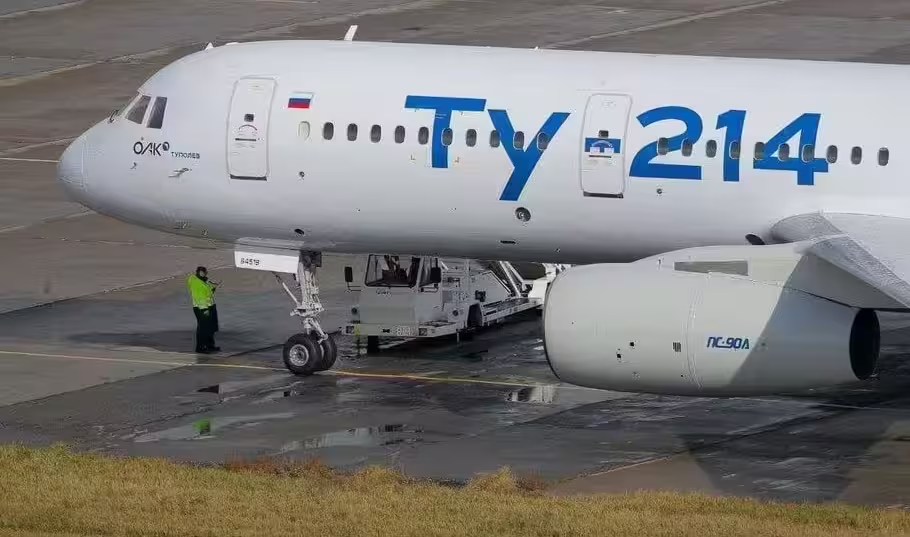
It is not worth contrasting MC-21 and Tu-214, and creating an artificial monopoly is wrong. Even Boeing and Airbus choose different engines - Pratt & Whitney, General Electric and Rolls-Royce.
The production of two types of aircraft provides jobs and a stable workload for enterprises in the regions.
Two wings of one aviation
Zhukovsky stated that each aircraft provides decades of work for hundreds of enterprises across the country.
Our country needs both Tu-214 and MC-21-310, especially now, when there is an acute shortage of carrying capacity. Unification of parts and personnel development are where it is important to focus.
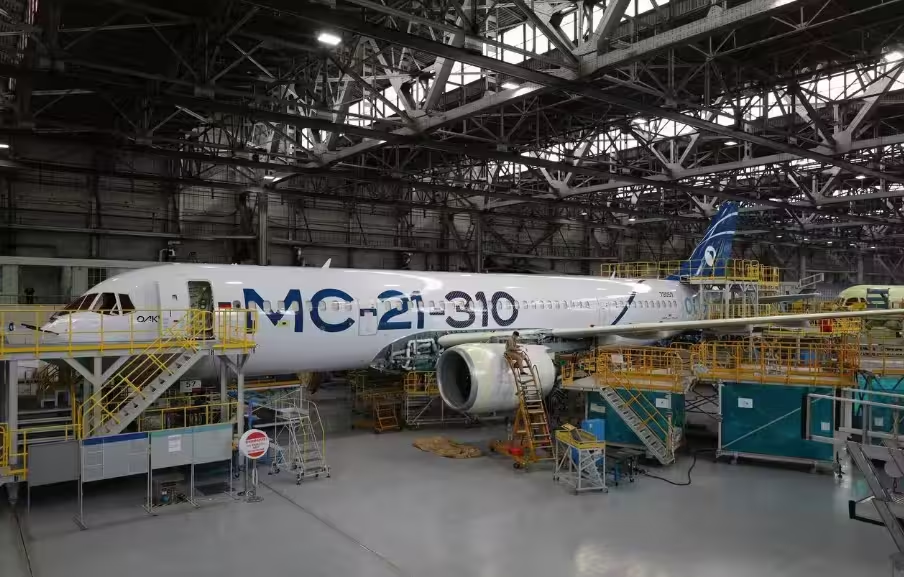
The specialist also recalled that the aviation sector is one of the most stable and highly profitable: one aircraft can fly for 30-50 years. Therefore, if an aircraft is produced today, then in theory, until 2075, the manufacturer of certain parts can be sure of the workload of its production facilities.
Earlier www1.ru reported that Russia will earn billions of dollars for the aviation industry by producing SJ-100 abroad.
Read more materials:
Now on home

Start of deliveries scheduled for 2027

Over 51,000 new motorcycles were sold in Russia in 2025

The car will take at least a year to assemble

The application's audience has reached 20 million users

The model will be included in the list of cars for taxis, price - from 2.25 million rubles

All parking lots of the "Administrator of the Moscow Parking Space" are connected to the service

The cars will be supplied to the Moscow Transport Service Directorate
Deliveries to India may begin in 2028
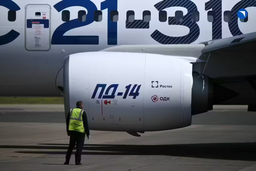
The technology provides automated search for all types of defects in power units
The plane flew 500 km, accelerating to 425 km/h

The plant stated that the information about the termination of purchases for models 6 and 8 is not true
Scientists are using the "Ekran-M" installation
Articles
-
Russian An-124 "Ruslan" Stuck in Canada for 4 Years and Accrues Millions in Fines
26 Jan 2026
-
Coaxial Propellers: How Counter-Rotation Increases Turboprop Engine Efficiency
25 Jan 2026
-
Kazan Aviation Plant Breaks Old System: Tu-214 to be Assembled Like Cars
25 Jan 2026
-
How Engineers and Technicians Are Paid Today in the Russian Aviation Industry: An Overview with Figures
24 Jan 2026