Modern Russian airliners MC-21 and SJ-100 have already received multi-level protection against stalling, with automatic control algorithms playing a key role, not alarm signals. This was stated by Sergey Alekseev, Head of Flight Mechanics Department of PJSC "Yakovlev".
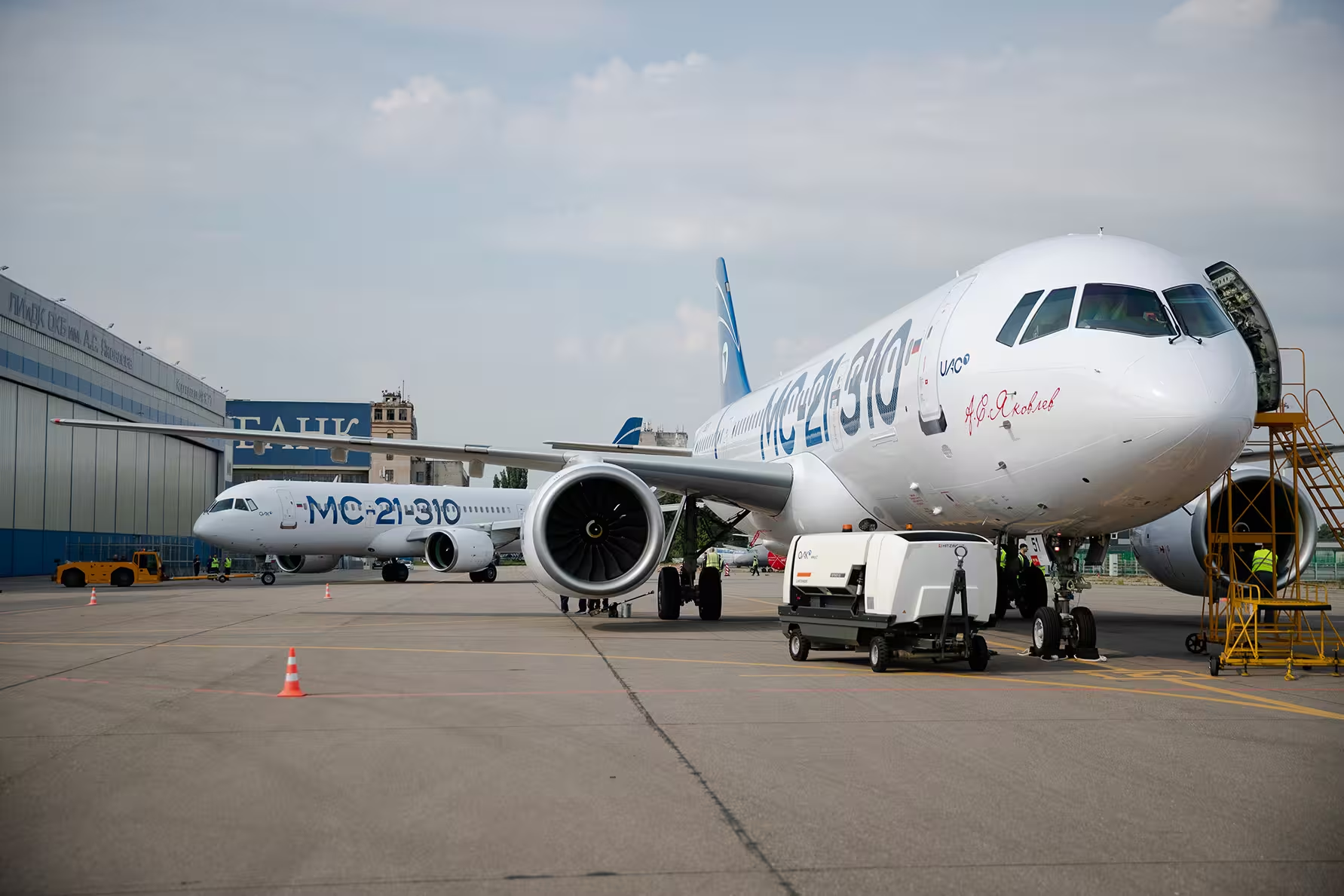
According to him, on aircraft with the Fly-by-Wire control system, informing the pilot about the risk of stalling works as a second or even third line of defense.
Since the limiters do not allow the aircraft to reach stall angles of attack, modern aviation regulations or special technical conditions even allow the absence of stall signaling, provided that the angle of attack limiters operate reliably as verified during certification.
Against this background, TsAGI specialists are developing additional methods for early detection of a tendency to stall. Specialists analyze large arrays of data on the movement of the aircraft - angular velocities, accelerations, position of the center of mass, air flow parameters.
The topic of TsAGI's work is indeed promising for civil and military aviation. Modern solutions for informing pilots about the risk of stalling allow for the consistent development of technologies to reduce the number of crew members on passenger aircraft.
Andrey Patrakov, a member of the board of the Association of Small Aviation Enterprises (MalAP), founder of the flight safety and certification service RunAvia, noted in an interview with "Pervyi Technicheskiy" that the main technological problem of Russian civil aviation isthe lack of its own TCAS collision avoidance system. Without it, the aircraft cannot obtain permission for commercial flights.