The Tu-214 aircraft manufactured by the Kazan Aviation Plant (part of Tupolev PJSC of the United Aircraft Corporation, UAC) can be made with a two-member cockpit, but orders are needed. This was stated by the former chief Designer of Tu-204 and its modifications Oleg Alasheev.
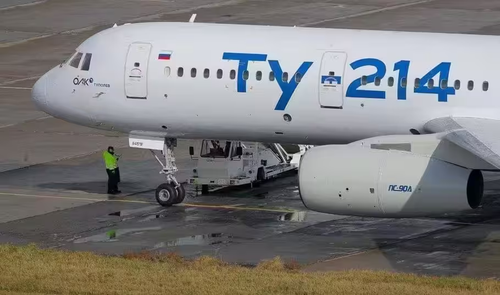
He drew attention to the fact that engineers made a two-member crew on the Tu-204SM, therefore, technically it is relatively simple. The modernization of the 214th needs to start with a technical task.
The Tu-204SM has different equipment - much has gone into automation, so pilots do not need to perform many functions of a flight engineer. Such work begins with a technical task - only then the face of the machine becomes clear, it becomes clear what needs to be improved. But is there such a technical task - the question.
Alasheev stated that over 30 years the Tu-214 has changed little. The main reason is the lack of serious orders.
Last week, Russian Deputy Prime Minister Vitaly Savelyev announced that the Russian airline S7 orderedmore than 100 Tu-214 aircraft. However, so far in Kazanthey are building one aircraft per year.
Earlier www1.ru reported that Russia will earn billions of dollars for the aviation industry by producing SJ-100 abroad.
Read also materials:
- Enforcement proceedings were initiated against the manufacturer of PS-90A and PD-14: they wanted to bankrupt the plant
- Aeroflot increased the order for MS-21 to 200 aircraft: only two aircraft are flying so far
Never miss our newsAdd this site to your preferred sources to see us more oftenAdd on Google

















