Specialists from the Central Aerohydrodynamic Institute (TsAGI) named after N. E. Zhukovsky will develop new methods for protecting civil aircraft from stalling. Modern solutions will take into account the tendency to stall at an early stage.
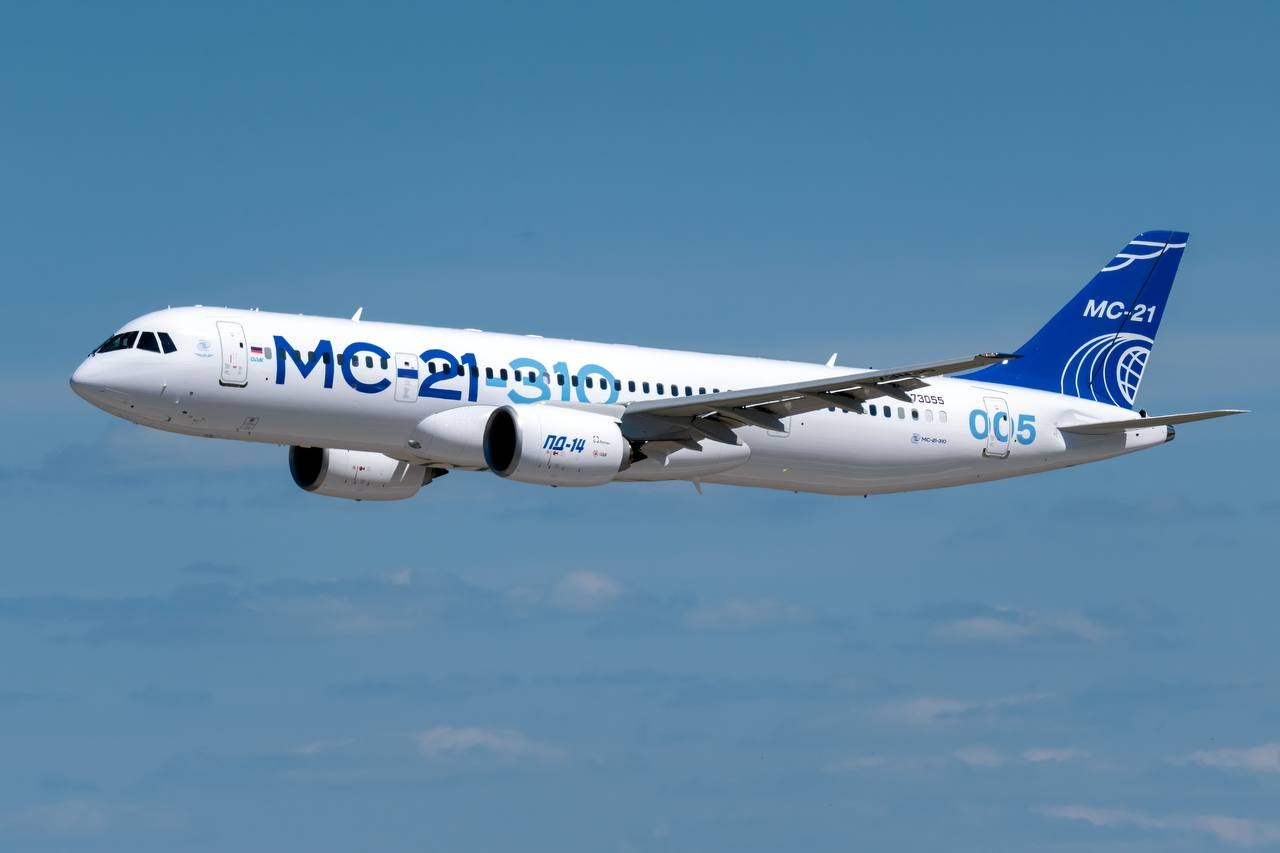
TsAGI noted that modern flight and navigation systems of aircraft are implemented through simple signals - visual and audible warnings based on exceeding critical angles of attack or decreasing speed below a certain threshold.
However, they do not take into account the complex dynamics of the flight and do not analyze the totality of parameters, which limits their effectiveness in complex spatial positions of the aircraft. The TsAGI study is aimed at creating algorithms that can detect the tendency to stall at an early stage.
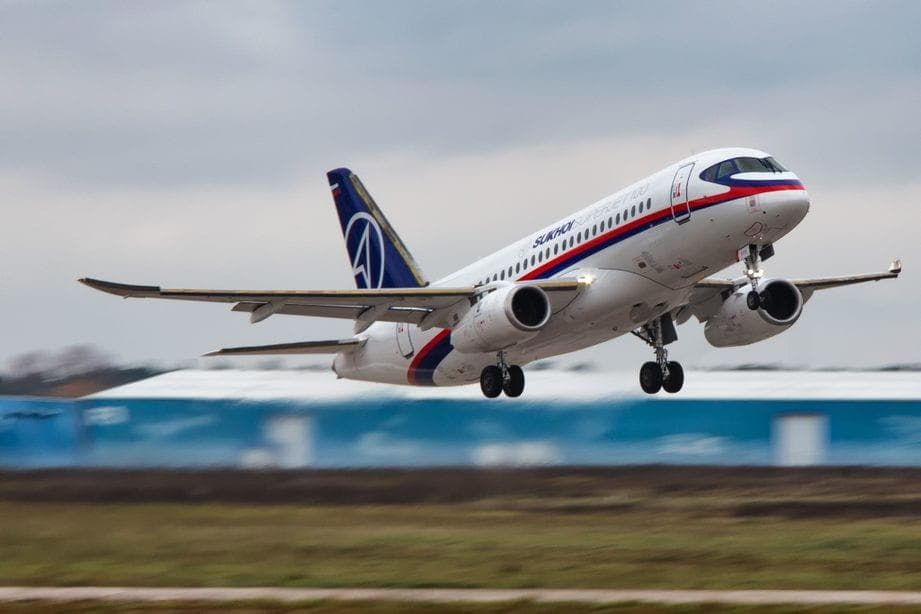
For this, methods of processing large amounts of data on the movement of the aircraft are used, including parameters of angular velocity, position of the center of mass, acceleration, as well as data from air pressure sensors.
This approach allows you to create information frames for the pilot, which are displayed on standard indicators and provide more accurate notification of approaching a dangerous mode.
Earlierwww1.ru reported that ODK has registered a regulator and engine protection unit for PD-8, PD-14 and PD-35.
Read more materials:
Now on home

Start of deliveries scheduled for 2027

Over 51,000 new motorcycles were sold in Russia in 2025

The car will take at least a year to assemble

The application's audience has reached 20 million users

The model will be included in the list of cars for taxis, price - from 2.25 million rubles

All parking lots of the "Administrator of the Moscow Parking Space" are connected to the service

The cars will be supplied to the Moscow Transport Service Directorate

Deliveries to India may begin in 2028

The technology provides automated search for all types of defects in power units

The plane flew 500 km, accelerating to 425 km/h

The plant stated that the information about the termination of purchases for models 6 and 8 is not true

Scientists are using the "Ekran-M" installation
Articles
-
Russian An-124 "Ruslan" Stuck in Canada for 4 Years and Accrues Millions in Fines
26 Jan 2026
-
Coaxial Propellers: How Counter-Rotation Increases Turboprop Engine Efficiency
25 Jan 2026
-
Kazan Aviation Plant Breaks Old System: Tu-214 to be Assembled Like Cars
25 Jan 2026
-
How Engineers and Technicians Are Paid Today in the Russian Aviation Industry: An Overview with Figures
24 Jan 2026