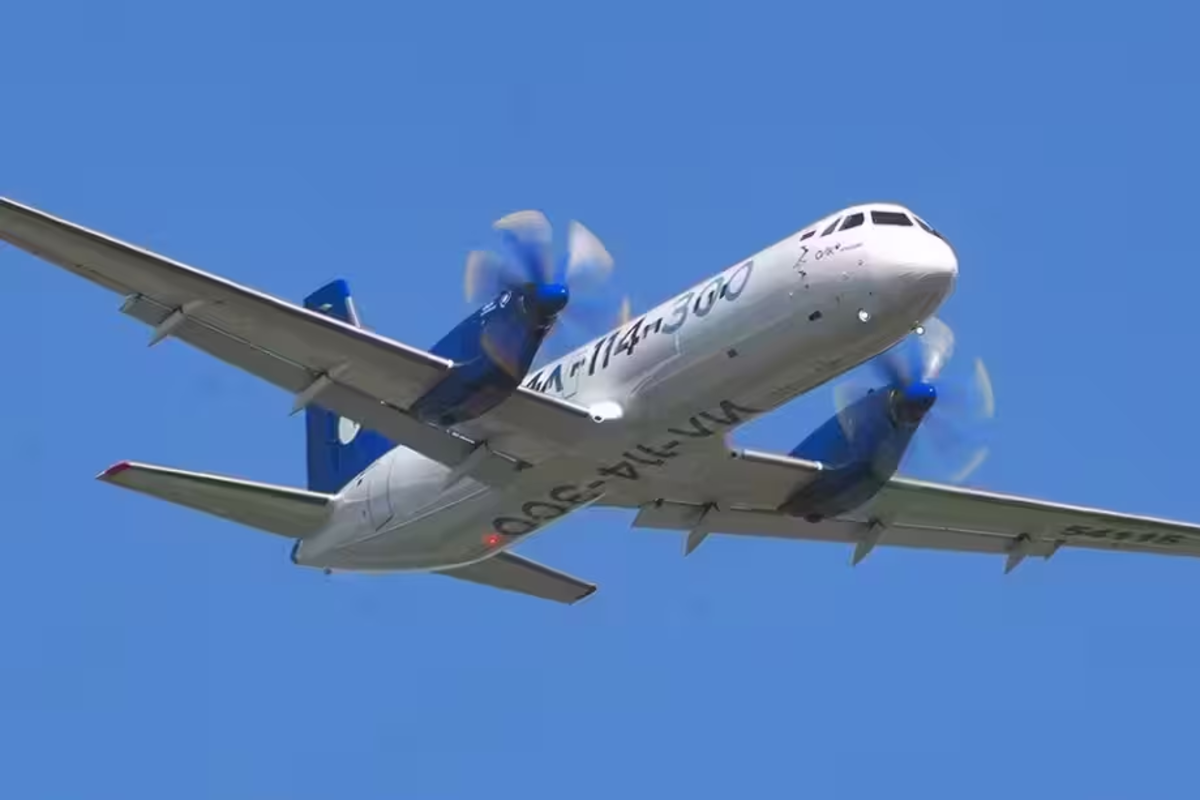
The Russian regional airliner Il-114-300 has not yet gone into series production—only three aircraft have been assembled—and has already become financially inaccessible to domestic carriers. This fact was revealed at a meeting with Deputy Prime Minister Yuri Trutnev. And while officials are looking for answers, Dmitry Dyakonov, chief designer of KB-602 and a teacher at an engineering university, explains the root of the problem.
The fact that our specialist receives less money does not mean that his work is cheaper. The question is in the technologies. When our specialist makes ten parts in one shift, and a "bourgeois" stamps out one hundred or two hundred, then our labor costs still turn out to be higher in the cost of the aircraft.
Why is "ours" more expensive?
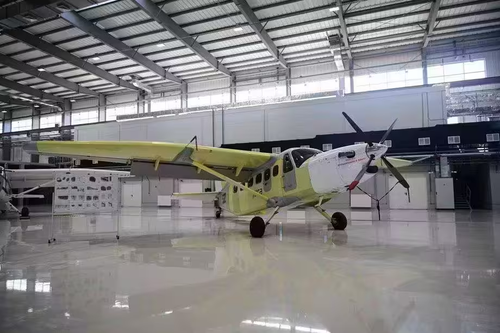
Both aircraft—the Il-114-300 and the Baikal—are entirely made of domestic components. Not a single imported part. It would seem that this is a plus. But in practice, it has the opposite effect, Dyakonov added.
When we began to enter the unified economic system of the West by leaps and bounds in past decades, we lost labor productivity at our enterprises, counting on buying everything from those who work faster. And now we have to start all over again.
Who paid for the first three aircraft?
The first three Il-114-300s have already been purchased by India. But they were not bought by the market community—the contracts were fully funded by the state through the Ministry of Industry and Trade. The next airliners, intended for Russian regions, will have to be bought by airlines—and this is where the most difficult part begins.
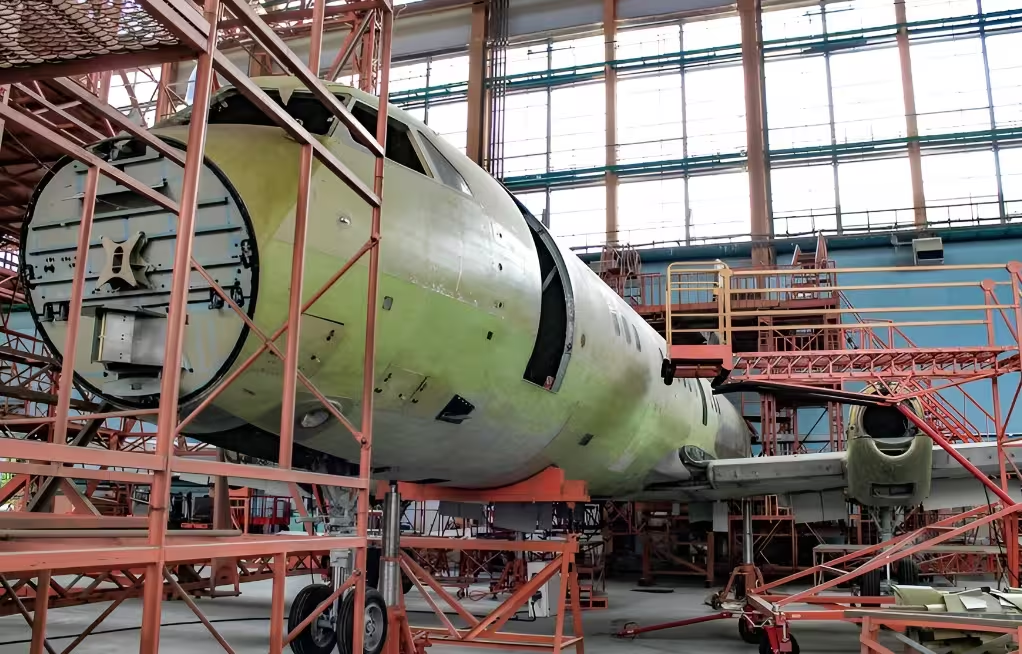
Dyakonov described the standard practice for aviation: the state usually pays for prototypes and the first production vehicles, and all subsequent batches are purchased by the end customer. Since the first Il-114-300s were fully paid for from the budget, their sale became a net profit for the manufacturer. But the commercial implementation of the following aircraft will depend on the real solvency of the airlines.
According to the designer, the state should invest in the aircraft industry not for the sake of reporting, but for the sake of results—with a clear strategy, efficiency control, and a focus on the final product.
Dyakonov also drew attention to the problem of irrational spending of budget funds. According to him, the economic analysis of spending in the aircraft industry is often carried out superficially. Moreover, the problem is not always in direct theft: more often, funds are used incompetently or transferred to "trusted" contractors without proper assessment of efficiency, just to formally comply with all procedures.
According to the expert, as soon as the production of aircraft increases by a hundred or two hundred times, their cost will change dramatically. But this requires not only money, but also systematic work on productivity, personnel, and technology.
Read more on the topic:
Never miss our newsAdd this site to your preferred sources to see us more oftenAdd on Google

















