The government's decision to cut funding for the development of the aircraft industry by 30% is effectivelydestroying aviation science. The consequences of this decision were discussed by Yuri Zakharchenko, Executive Director of the RKK-Nauka professional association.
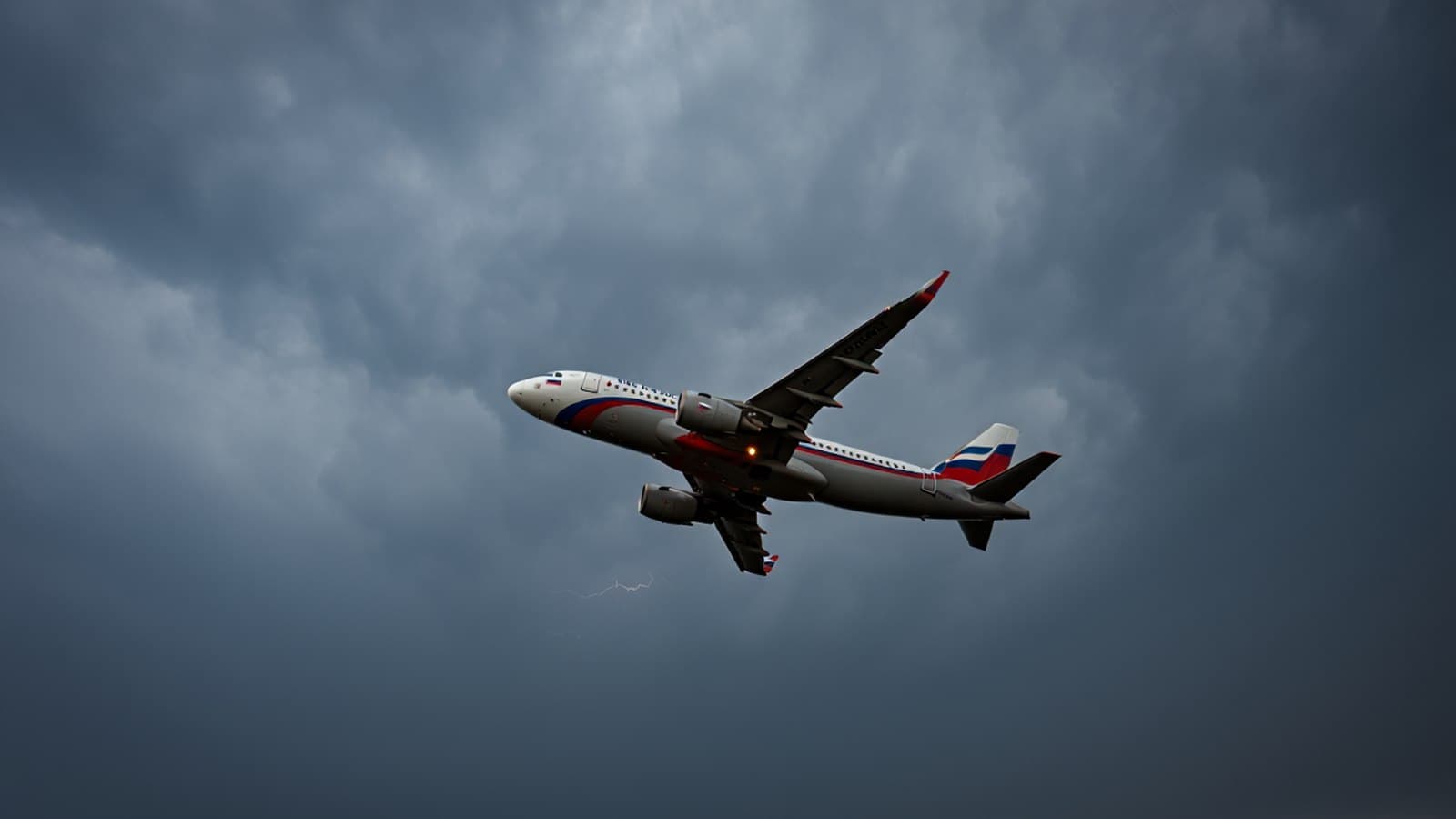
It is worth mentioning that the state program "Development of the Aviation Industry" has been affected. According to documents that have appeared online, the draft budget for 2026-2027 threatens the industry with a funding reduction of almost 40%.
Experts call this a blow to the most vital areas - research, development, and training. According to them, without science and new technologies, Russian aviation willno longer have a future.
"Superjet" as a symbol of management failure
Zakharchenko believes that the root of the systemic crisis lies not in the engineers, but in the management of the industry. According to him, the "state - government - ministry" chain has proven incapable of building an effective development model.
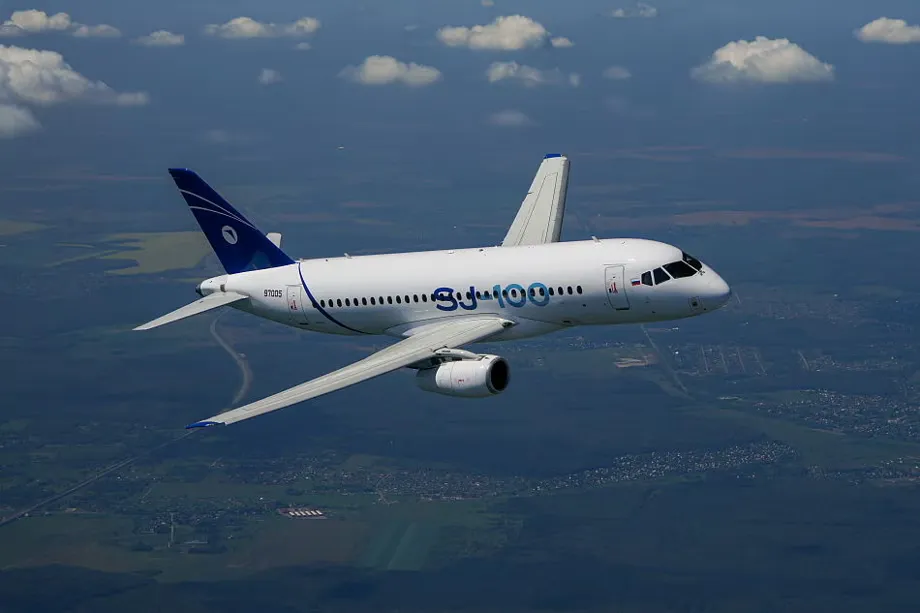
The Superjet story was devastating for the entire aviation industry. First of all, due to the extremely high dependence on foreign component manufacturers. However, the most important reason why it should not have been built was the lack of production unification with other aircraft.
The specialist recalled that there are only 2% of common parts between theSuperjet and the new import-substituted MC-21-310, while the old Tupolev PJSC line had this figure up to 40%.
Science is being finished off - a personnel desert and a halt to technology
Zakharchenko believes that the main blow fell on aviation science. Reducing funding means not just cutting spending, but the actual liquidation of engineering schools.
We are talking about a 30% reduction in staff. This means, in effect, destroying any prospects for our aviation industry. If there is no science, there will be no high technology, there will be no competitiveness.
Over the past decades, the Executive Director of the RKK-Nauka professional association added, innovative and science-intensive technologies have been introduced "very limitedly, if not at all." Now, however, the degradation is accelerating.
72.5 billion - instead of the future
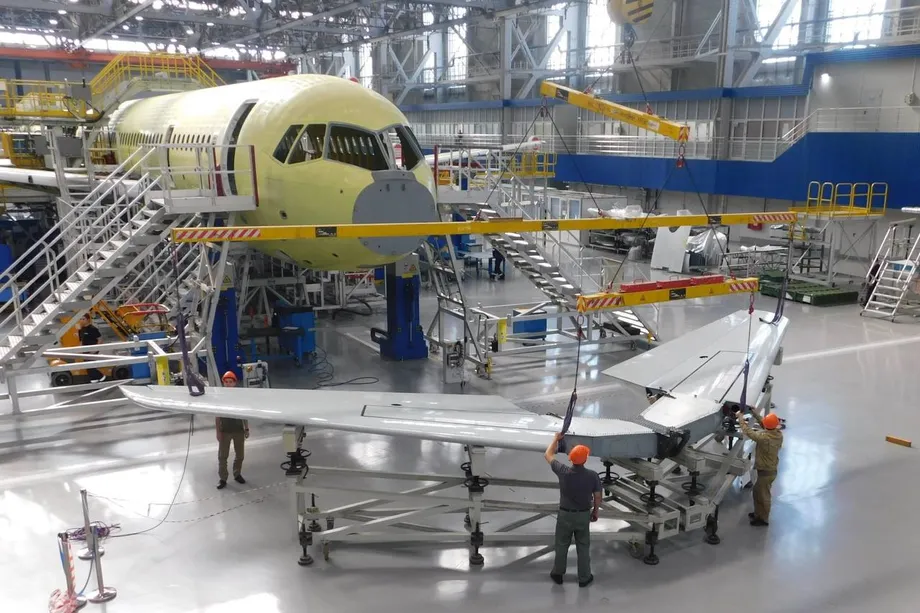
According to the draft budget, the volume of funding for the state program "Development of the Aviation Industry" in 2026-2027will amount to 72.5 billion rubles - almost 40% less than the current parameters. At the same time, let us recall that back in the summer, the plans were marshalling, Rostec promised to buildabout 500 aircraft. But based on thelatest statement by the head of the Ministry of Industry and Trade, Anton Alikhanov, they will now be adjusted.
Earlier,www1.ru reported thatnew Russian tires for the chassis of MC-21 and SJ-100 liners have successfully passed certification.
Read also materials:
Now on home
The shift norm now covers the assembly of nine engines instead of seven
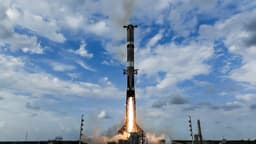
Rocket launch postponed - it was planned for 2030
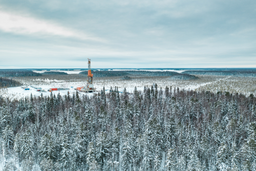
Key innovative solution - the use of a modular block architecture

The train will not become a mass product in Russia
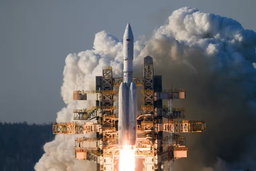
Now the rockets will be fully assembled in Omsk
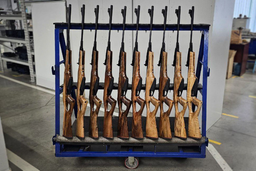
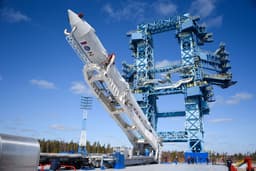
The first launch of the rocket will take place no earlier than 2035

Testing of the key component of the traction transformer will begin in April 2026
New fluorine production capabilities eliminate technological risks in the uranium transformation stage before enrichment in centrifuges
RIF company sued Krasnogorsk plant named after S. A. Zverev
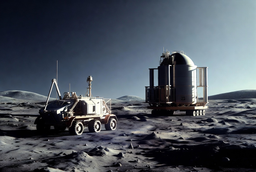
The space complex will allow the development of the Earth's satellite's circumpolar regions

Articles
-
Russian An-124 "Ruslan" Stuck in Canada for 4 Years and Accrues Millions in Fines
26 Jan 2026
-
Coaxial Propellers: How Counter-Rotation Increases Turboprop Engine Efficiency
25 Jan 2026
-
Kazan Aviation Plant Breaks Old System: Tu-214 to be Assembled Like Cars
25 Jan 2026
-
How Engineers and Technicians Are Paid Today in the Russian Aviation Industry: An Overview with Figures
24 Jan 2026