Gazprom Neft has completed the commissioning of a fundamentally new drilling rig, entirely developed and manufactured in Russia. It has already started the construction of production wells at the Salym fields, where climatic restrictions are in effect year-round: temperatures drop below -50 °C, and wind gusts reach 30 m/s.
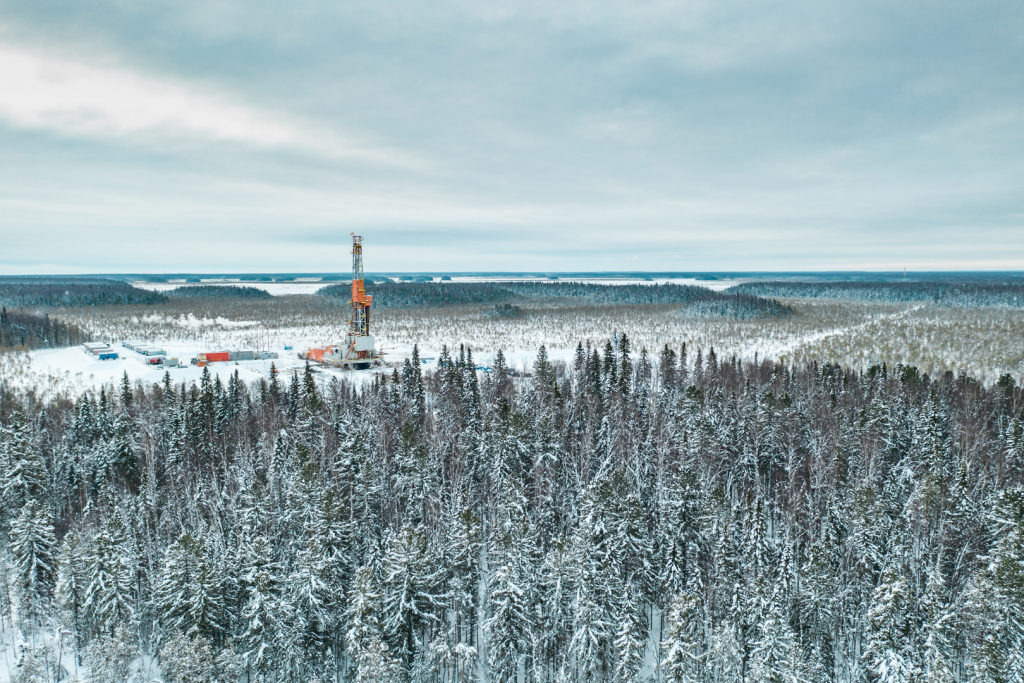
Unlike traditional monolithic drilling complexes, the new rig is assembled from standardized modules, which reduced installation time on site by 65% and accelerated equipment delivery to the drilling point by four times due to the possibility of transportation by standard cargo means without the use of oversized equipment.
We have been using modular block solutions for several years for the construction of production and social facilities. The drilling complex manufactured in Tyumen will help us significantly reduce well drilling times.
The rig is capable of drilling wells up to 5,000 meters deep, including horizontal sections with a radius of curvature of up to 150 meters. Engineers paid special attention to adaptation to Arctic conditions: hydraulic systems are equipped with double thermal insulation, and power units operate in automatic fuel supply correction mode during sudden temperature changes.
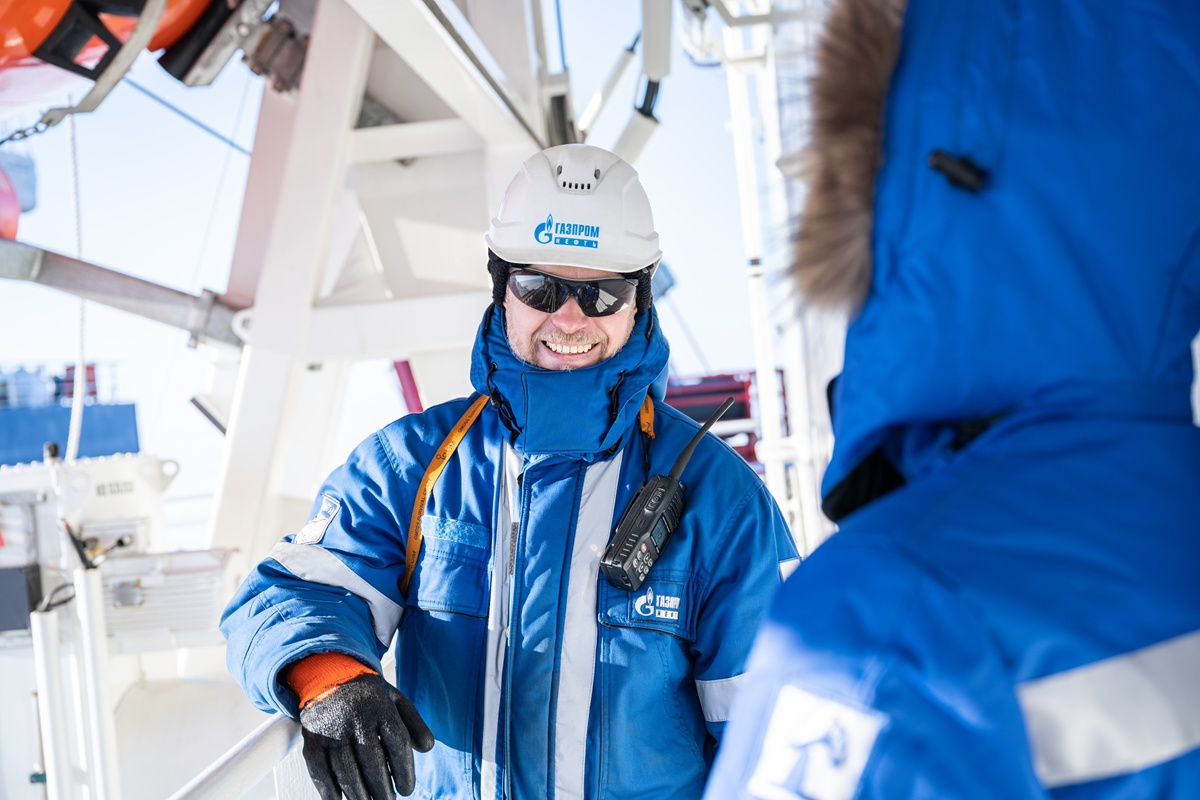
The implementation of fully Russian software for managing the drilling process became a fundamental stage of import substitution. The system automates 85% of operations, including real-time monitoring of drilling parameters, prediction of complications, and optimization of energy consumption.
Read more materials:
- Efficiency will increase by 5%: Bratsk HPP completes the stage of deep modernization of hydro turbines
- Zaporozhye NPP restored power supply via the second high-voltage line
- Unit power 127 thousand hp: the world's largest pyrolysis gas compressor was launched at the Amur GCC
Never miss our newsAdd this site to your preferred sources to see us more oftenAdd on Google

















