Engineers at TsAGI named after N. E. Zhukovsky have developed a new wing mechanization scheme for regional turboprop aircraft designed for short takeoff and landing. The development aims to operate from runways up to 1000 m long and relieve large air harbors by using suburban airfields.
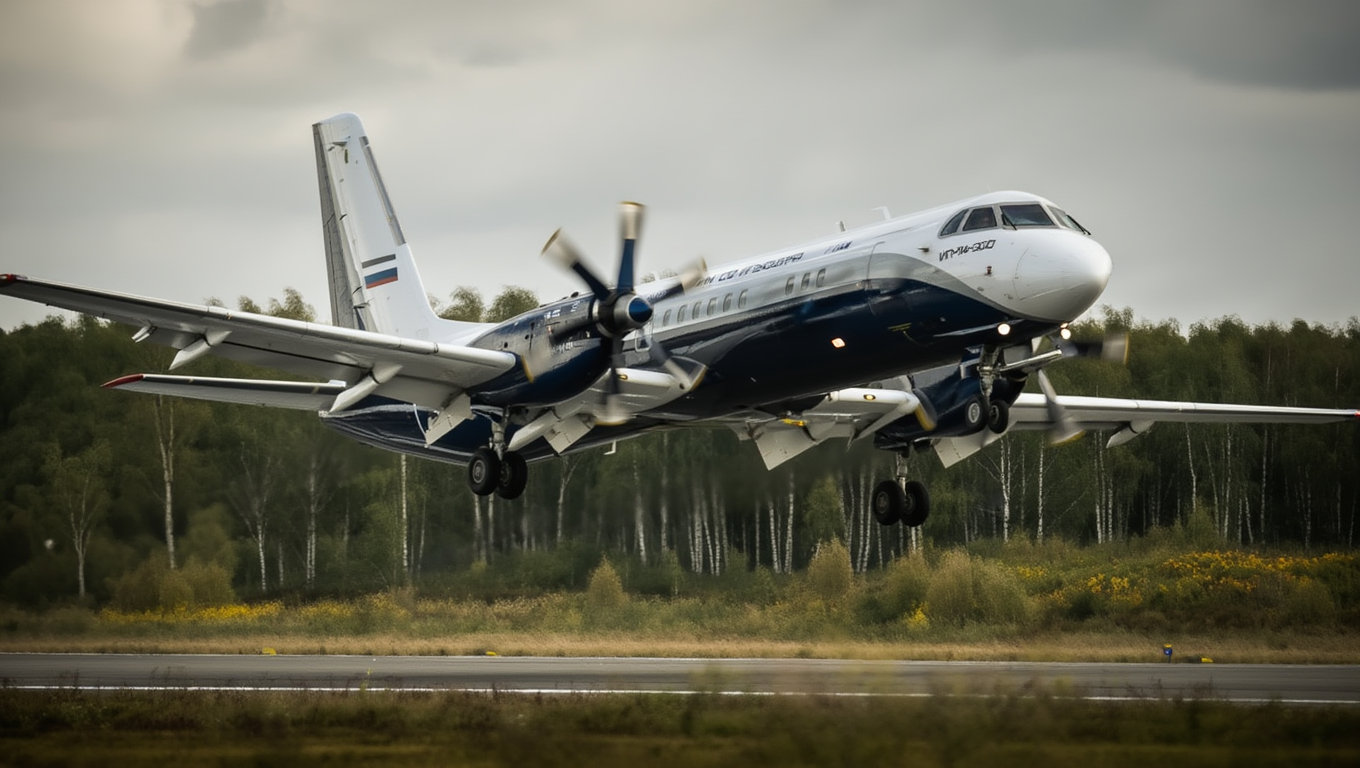
The solution is based on a combination of a Fowler flap, a rotating Krueger flap and a controlled spoiler in the root part of the wing.
This scheme forms a more stable flow at high angles of attack and increases the maximum lift coefficient in takeoff and landing modes.
Calculations have shown that the aircraft will be able to take off at a much lower speed. Its ability to stay in the air will increase significantly, and the spoiler deflection will add even more stability.
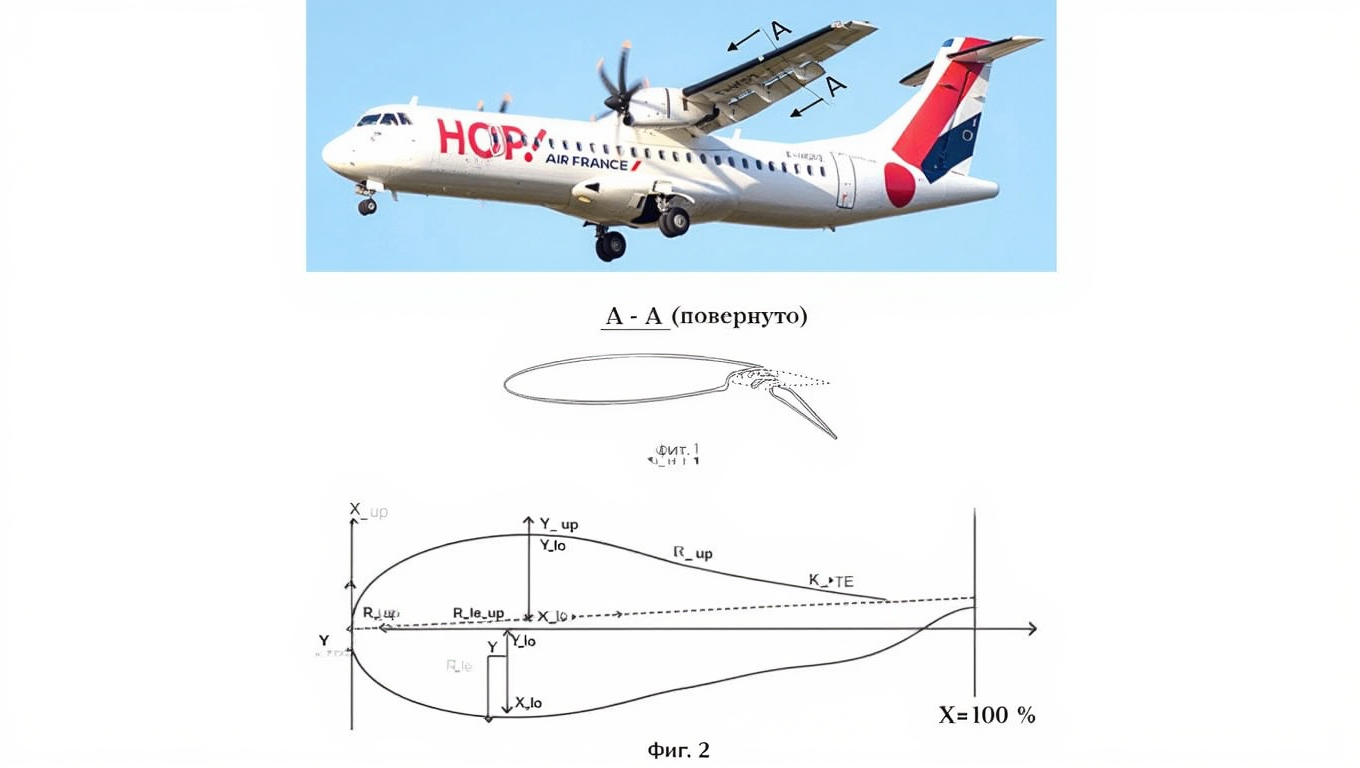
This will reduce the length of the runway for takeoff and landing, without interfering with flying fast at high altitude.
Technically, the solution relies on the precise geometry of the elements. The profile parameters are specified as a percentage of the chord, and the flap deflection angles reach 50°, the Krueger flap - up to 170°.
The configuration is adapted to the basing conditions - from a simplified scheme to maximum lift.
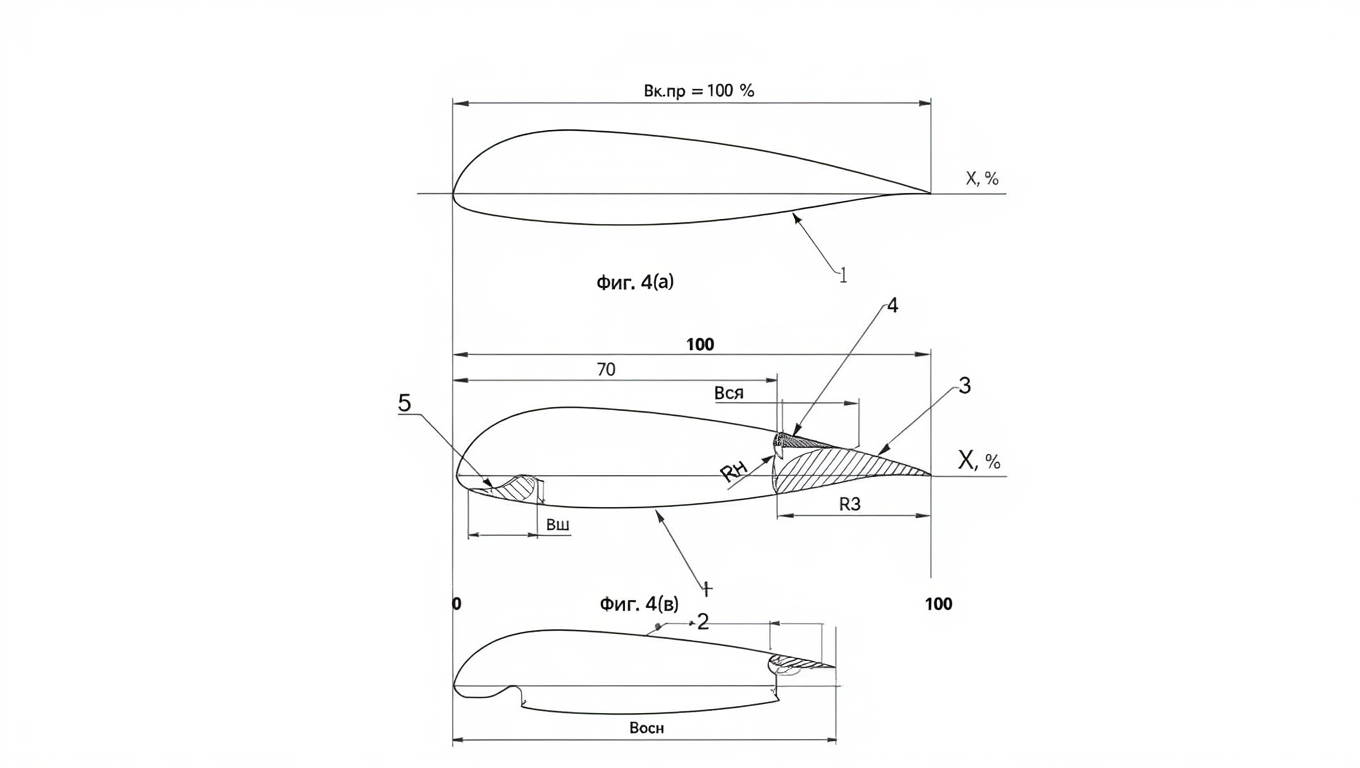
The key effect is the expansion of the geography of operation. If current regional aircraft require runways over 1200 m, the new mechanization makes it possible to operate from airfields with a shorter runway with limited load.
This opens up a scenario for transferring some flights to small airfields near cities.
Read more materials on the topic:
- Russia invents a transonic aircraft that dampens flutter with its aerodynamics
- Hope of small aviation: all-composite aircraft "Tango" takes to the wing
- Video of the spin-up and start of the first Tu-95MS engine appeared
Never miss our newsAdd this site to your preferred sources to see us more oftenAdd on Google

















