The FESCO transport group's diesel-electric ship "Vasiliy Golovnin" has arrived at the Indian Antarctic station "Maitri" for the second time this season. This is the final stop before returning to the port of Cape Town in South Africa.
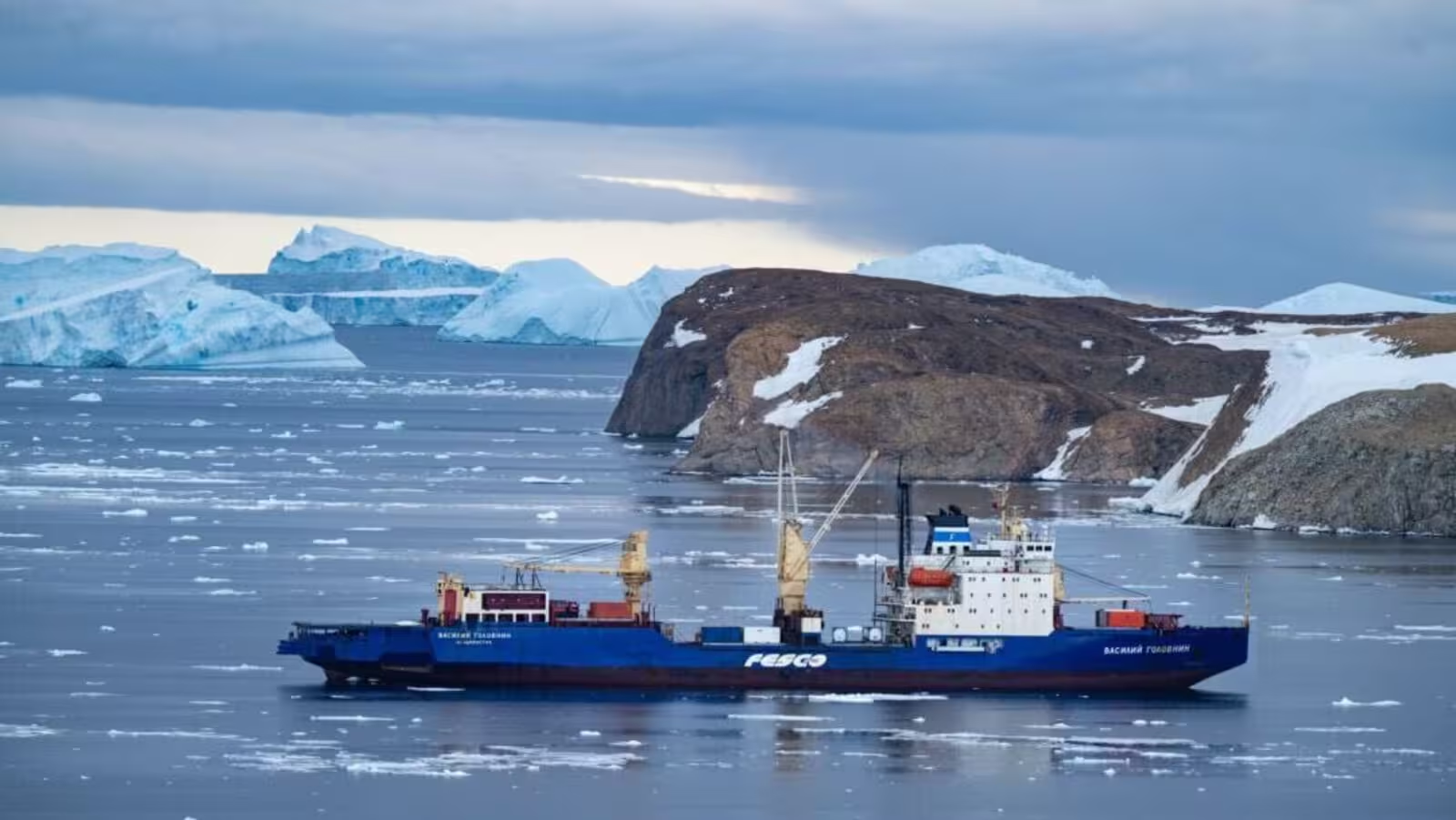
The ship will stay here for a little over a week. The crew will help Indian scientists complete the unloading of supplies, accept waste and decommissioned equipment, and continue to support research on the coast using a helicopter and barge.
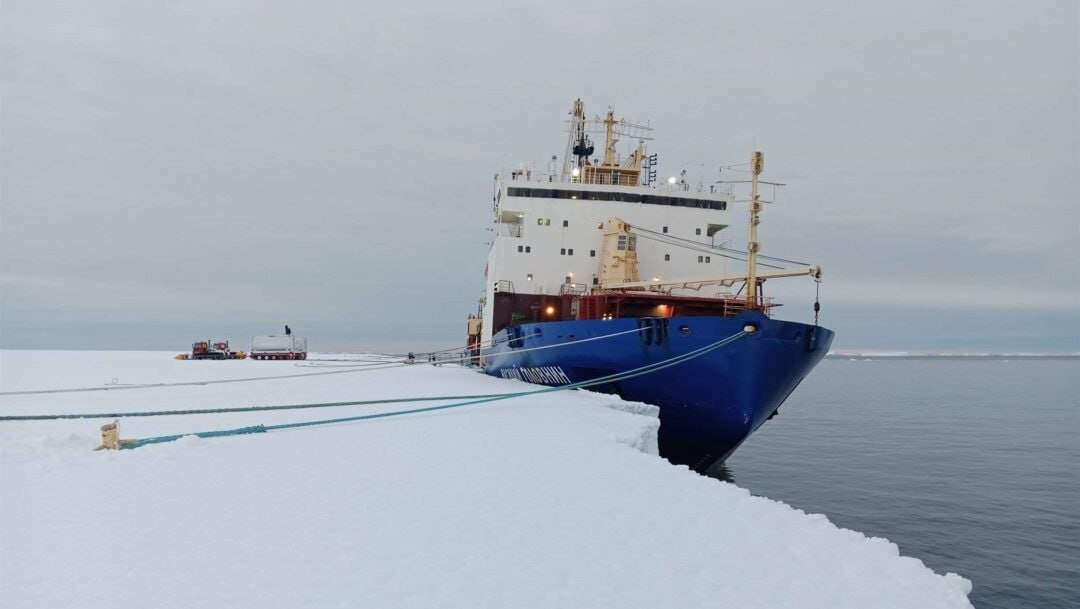
Captain Iksan Yusupov noted that approaching "Maitri" twice – at the beginning and end of the voyage – has become a key feature of the 2025–2026 expedition. This schedule allows for faster and more efficient cargo operations and provides more time for scientific work at the main Indian station in the region.
This season, the program has been significantly expanded. In addition to "Maitri" and "Bharati", the ship called at the Queen Maud Land region, where the sailors assisted Indian scientists. This is FESCO's eighth joint voyage with the National Centre for Polar and Ocean Research of India (NCPOR).
"Vasiliy Golovnin" is a diesel-electric icebreaking transport class ship built in 1988. It is named after Vasily Mikhailovich Golovnin (1776–1831), a Russian navigator, explorer of the Pacific Ocean and the Kuril Islands.
Read more on the topic:
Never miss our newsAdd this site to your preferred sources to see us more oftenAdd on Google

















