Russia has begun adapting domestic PD-8 engines to the needs of the unique Be-200 amphibious aircraft, which will require a radical overhaul for operation in marine conditions. As explained by aviation expert of the State Duma Committee on Transport and editor-in-chief of Avia.ru portal Roman Gusarov, the Be-200 is not just a passenger or cargo aircraft, but a real "flying boat" that constantly interacts with salt water, takes off and lands from the water surface, and is exposed to an aggressive marine climate, and these issues need to be addressed.
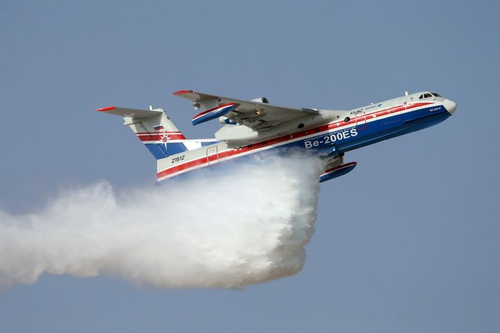
The engine literally has to be "sea-proofed" - to strengthen corrosion protection, ensure resistance to salt water penetration, and increase reliability during frequent cycles of water landings and takeoffs.
Despite the complexity, there is still enough time for refinement. The PD-8 certification and integration program for the Be-200 is designed for several years, giving engineers a chance to carefully work out all the technical nuances.
As previously reported by the Ministry of Industry and Trade, the amphibious aircraft will beequipped with a Russian PD-8 turbofan engine. This is due to the cessation of production of Ukrainian D-436T engines after the break in cooperation with the Zaporozhye plant "Motor Sich". The serial production of the updated model is scheduled for 2028.
Read also:
- UAC will help solve the problem of the lack of piston engines
- Light aircraft for the regions: Russia will create domestic analogues of Cessna
- Rostec strengthens the Russian aircraft industry
Never miss our newsAdd this site to your preferred sources to see us more oftenAdd on Google

















