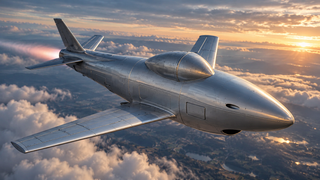
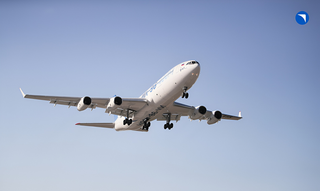
The Russian Superjet 100 with PD-8 engines has entered the final stretch of certification. The second prototype aircraft has begun performing complex flight tests, including "sawteeth" and "drag check" modes.
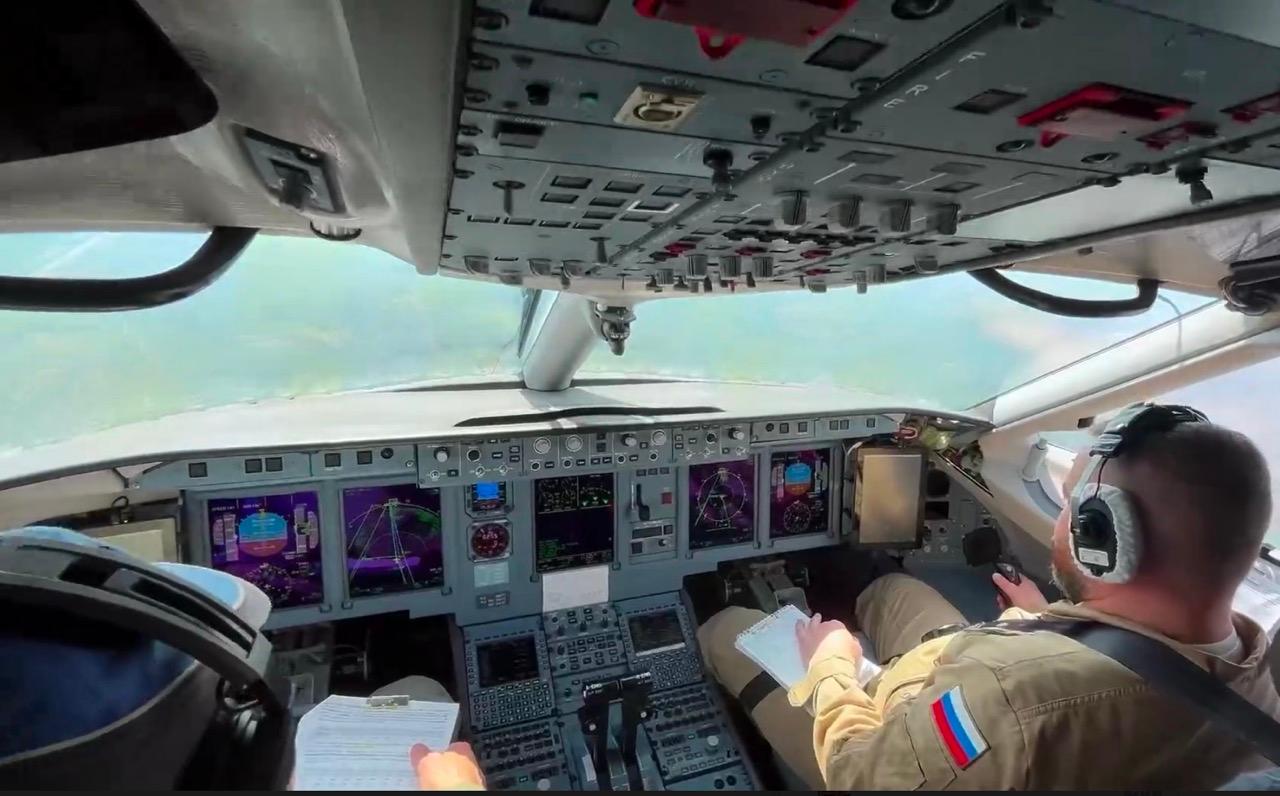
These tests, requiring pinpoint accuracy from the crew, will assess how the new power plant behaves in extreme conditions - from rapid climbs to sustained flight at constant thrust.
During the tests, special attention is paid to the gas-dynamic stability of the PD-8 engines - a key parameter for flight safety. Pilots check how the power plant responds to sudden changes in speed and altitude, simulating critical scenarios.
"Drag checks," performed at fixed modes, help determine the actual take-off and landing characteristics and thrust efficiency in conditions close to maximum load.
The complexity of the tests is emphasized by the United Aircraft Corporation: maintaining the specified parameters requires not only skill but also endurance from the pilots. A split-second error can distort the data, so each maneuver is practiced to automatism.
Read more:
Sukhoi Superjet 100: how the new Russian airliner was born
Made in Russia: new aviation tires developed for MS-21 and SJ-100 aircraft
Fuel efficiency of the SJ-100 airliner increased due to clever wingtips
Never miss our newsAdd this site to your preferred sources to see us more oftenAdd on Google