By the end of 2026, the United Aircraft Corporation (UAC, part of the Rostec Group) expects to produceonly two serial MC-21 aircraft, according to Rostec CEO Sergey Chemezov.
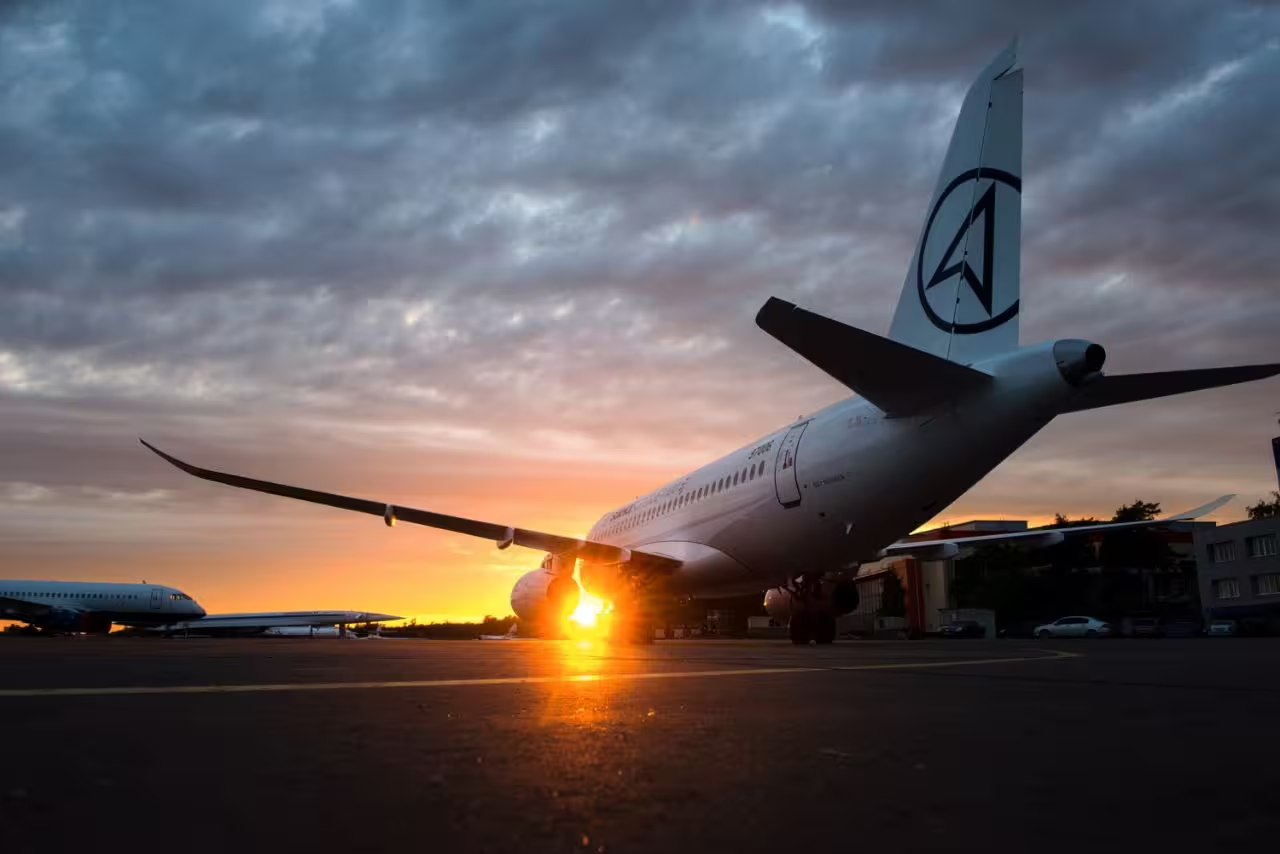
According to him, the import-substituted version of the aircraft should receive a type certificate at that time. However, production plans have been adjusted, and now the plan is to produce 36 aircraft per year by 2030.
This figure is significantly lower than what is stipulated in the Comprehensive Program for the Development of Civil Aviation (KPDGA), adopted in 2022 and revised several times.
According to the version of the document dated May 4, 2024, 270 MC-21 aircraft were to be in service by 2030: 9 in 2025, 31 in 2026, 36 in 2027, 50 in 2028, and 72 per year from 2029.
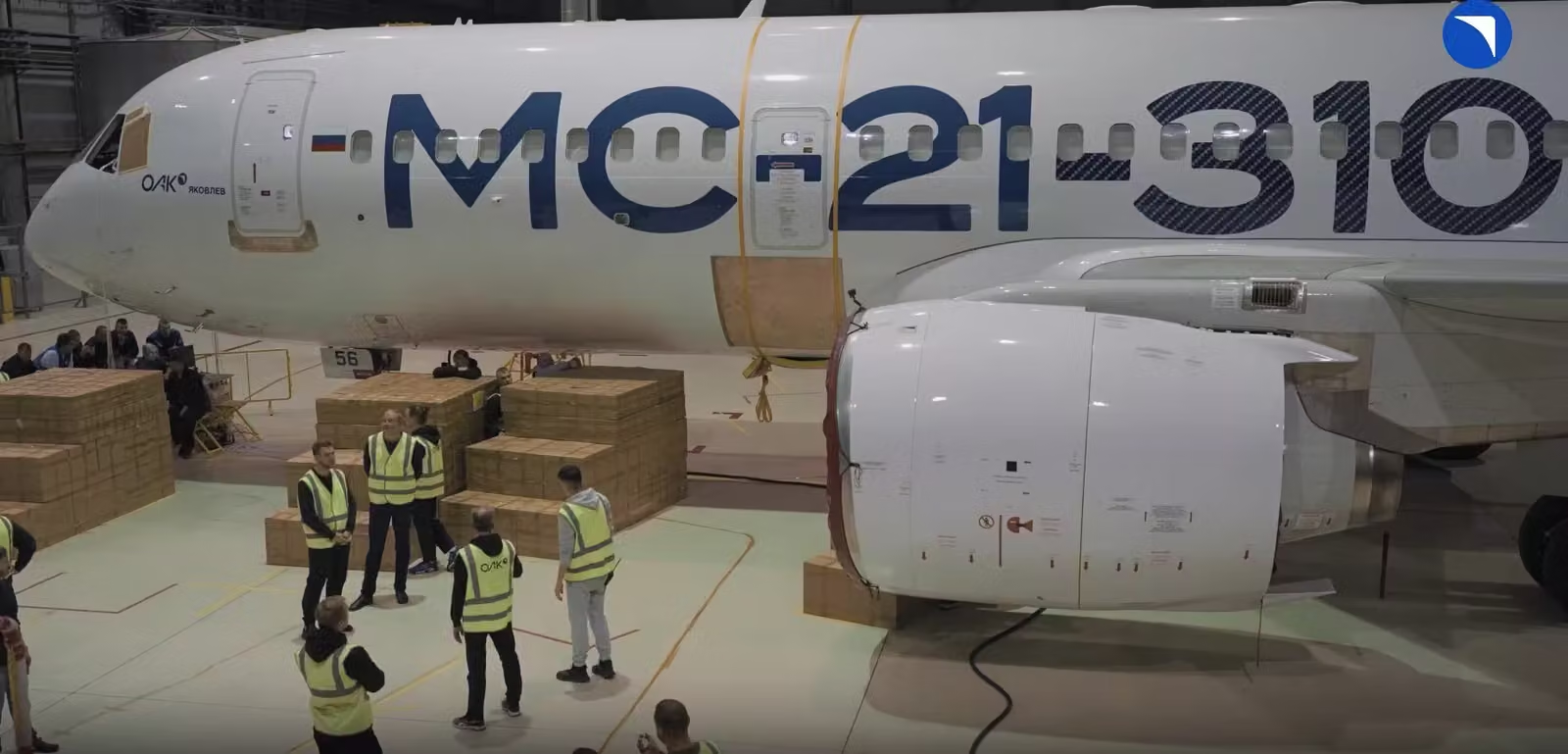
The reality is much more modest. Considering the three-year shift in the program, by 2030, not 270, but about 76 aircraft will be built.
Aeroflot Will Be Short Hundreds of Aircraft
These rates cast doubt on Aeroflot's plans, which expected to receive 108 MC-21 aircraft by 2030. So far, only 18 are firmly contracted, with another 90 expected to be added by the end of the year, but these deadlines now seem unrealistic.
SJ-100, Tu-214, and Il-114 - Who Can Pick Up the Slack?
The situation with other types of civil aircraft is similar.
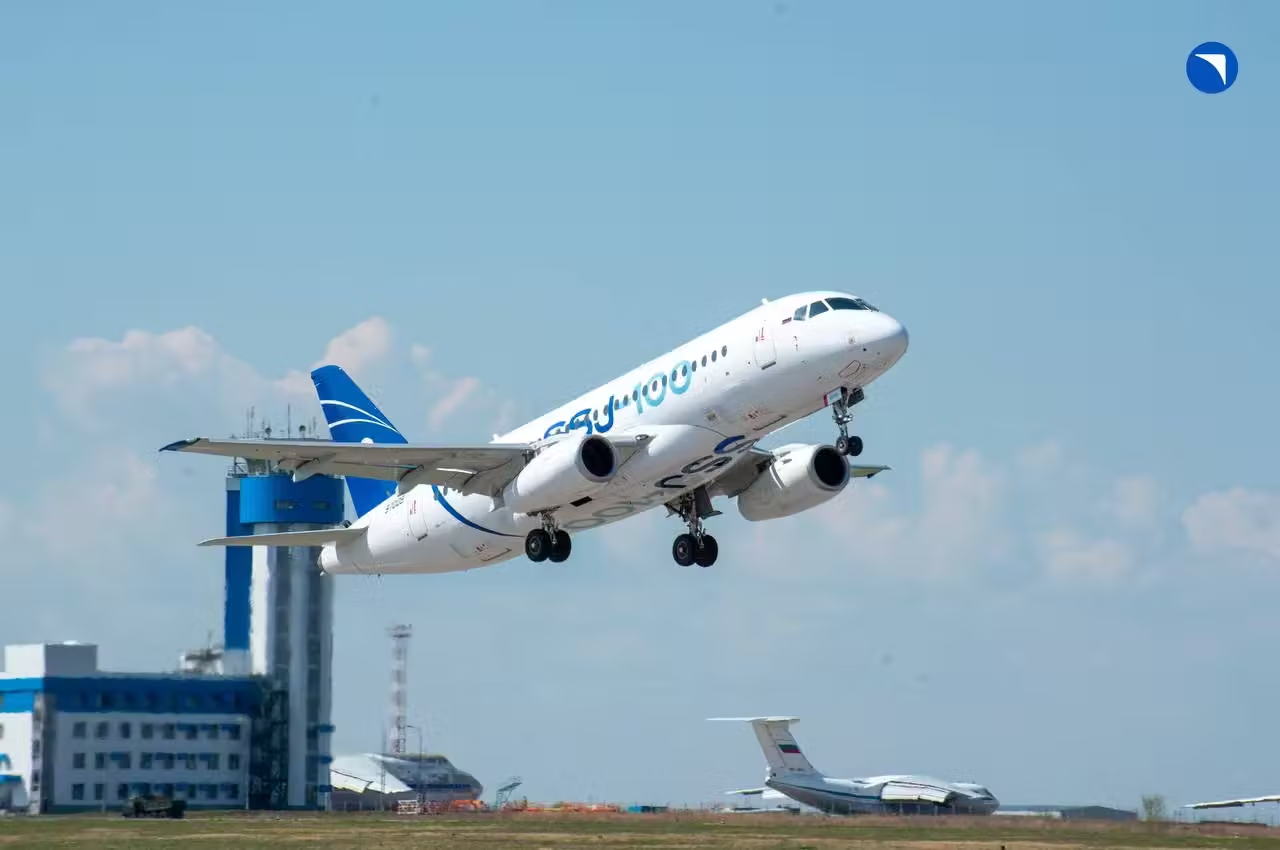
For the SJ-100, production will decrease by about half: instead of 142 aircraft, about 70 will actually be built.
With the Tu-214, it's the same: instead of the planned 115 aircraft, 30-40 machines can realistically be expected.
Against this background, only the Il-114-300 stands out - on the contrary, they plan to increase its production to 20 machines per year instead of the previous 12. These aircraft are extremely necessary for regional lines, where the problem of replacing aging An-24s is particularly acute.
What's Next - Seat Shortage and Lost Momentum
Even if the current plans are implemented, the industry will face an acute shortage of aircraft. By the early 2030s, Boeing and Airbus, despite the extension of their service life, will begin to retire en masse.
At the current production rates, Russia risks approaching 2030 with a shortage of up to 400 aircraft, which will inevitably affect the availability of air travel and the increase in ticket prices.
Earlier,www1.ru reported thatKazan Aviation Plant will increase capacity for serial production of the aircraft.
Read More:
"Baikal" Takes to the Sky: VK-800 Engine to Be Ready in 2025
Airbus and Bell Not Needed: New Mi-34 Helicopters to Be Built in Tatarstan
Fully Import-Substituted MC-21-310 Given Two Weeks to Take Off
Never miss our newsAdd this site to your preferred sources to see us more oftenAdd on Google

















