The global boom in artificial intelligence — ChatGPT, Claude, and other services — has turned into an unexpected problem: the planet cannot produce enough electricity. Data centers are growing faster than the energy sector, and the queue for industrial turbines has stretched for years.
Turbines Instead of Power Plants
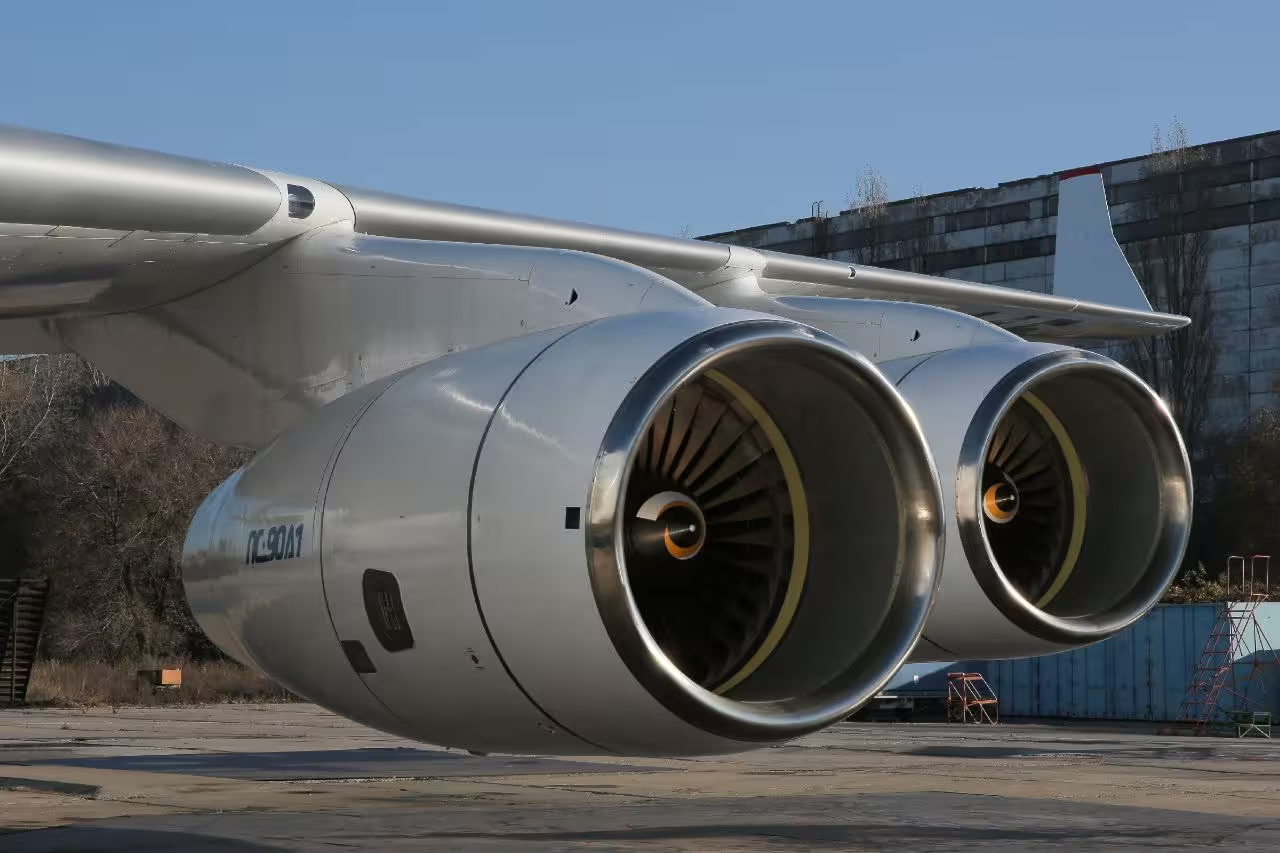
To avoid slowing down the development of neural networks, engineers in the West have taken an unconventional step — putting aircraft engines on the ground, turning them into mobile power plants.
According to Bloomberg, the American company ProEnergy is converting decommissioned CF6-80C2 jet engines, previously used on Boeing and Airbus aircraft, into PE6000 gas turbines. Each such unit produces up to 48 megawatts of electricity — enough to power a large data center or a small town of 30,000 residents.
According to Landon Tessmer, the company's vice president, 21 turbines with a total capacity of over 1 GW have already been delivered. They will ensure the uninterrupted operation of data centers until they are connected to the grid, and then switch to backup mode. The main advantage is speed.
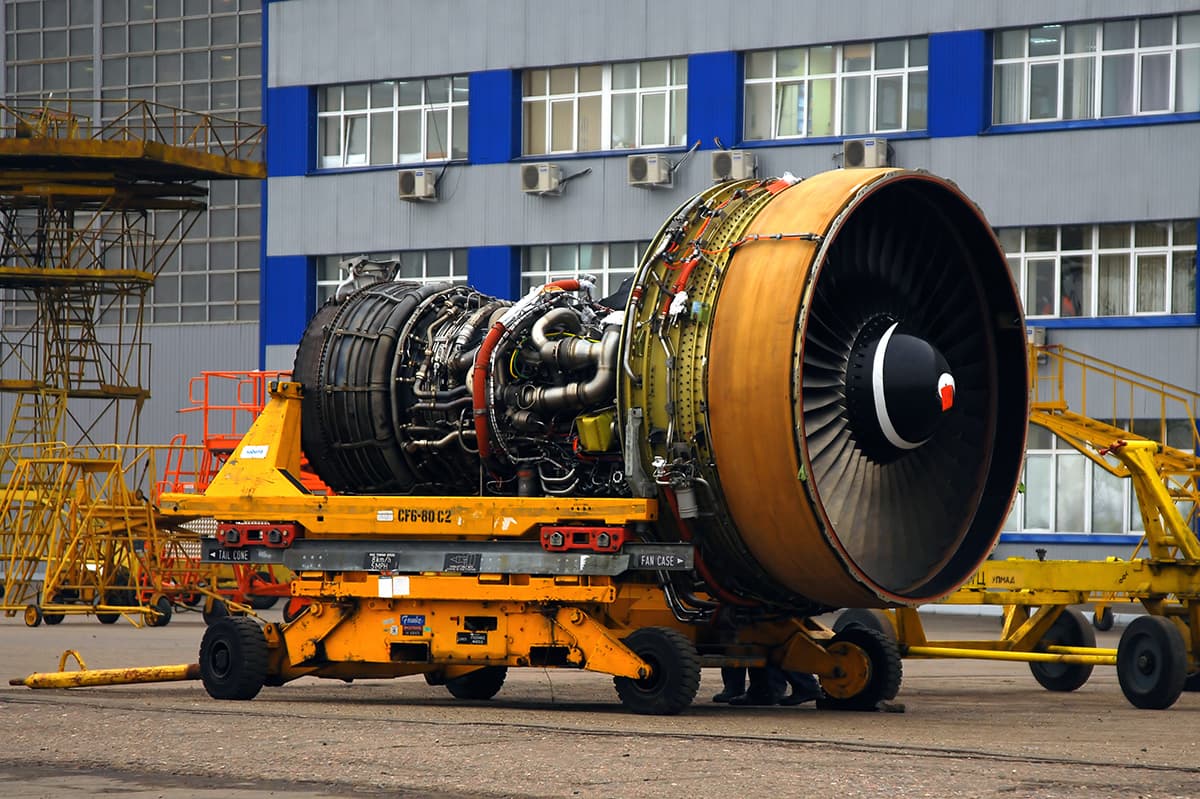
The units are ready to start in five minutes, and maintenance takes no more than three days. At the same time, emissions are several times lower than the standards of the US Environmental Protection Agency (EPA).
Turbine Shortage — A New Crisis
GE Vernova and Siemens Energy warn: the queue for industrial turbines has grown to three to five years, and in Asia — up to eight. The reason is the explosive growth of data centers for AI: by 2030, they will consume more energy than the entire UK.
Second Wind for Soviet Engines
While Americans are reviving CF6 and LM6000, Russia also has a chance to "catch the wave." Decommissioned D-30 and NK-8 turbojet engines, used on Tu-134 and Il-62 aircraft, can become the basis for aeroderivative generators — units capable of powering data centers, industrial clusters, and military facilities.
Such stations are more compact, easier to maintain, and deploy ten times faster than traditional ones. If the project gets the green light, hundreds of engines removed from operation over the past decades will be able to get a "second life."
Eco-Friendly Stations from Old Units
At the "Proektoria" forum, schoolchildren from the Rostec team presented the idea of reusing aircraft engines.

Instead of disposal, they proposed replacing the conventional combustion chamber with a low-emission one, turning old engines into environmentally friendly generators. According to the authors' calculations, such units will be able to produce from 2.5 to 25 megawatts of energy, which is enough for enterprises or small settlements.
The project involves the use of associated gas, biofuels, wood waste, and garbage. A dual-fuel mode is also possible.
When Airplanes Feed AI
Thus, jet engines created for the sky have found a new purpose — to power the intelligence that no longer fits in the clouds. Now airplanes no longer fly — they work for artificial intelligence.
Earlier www1.ru reported that Kazan Aviation Plant will increase capacity for serial production of the aircraft.
Read more materials:
«Байкал» поднимается в небо: двигатель ВК-800 доведут до готовности в 2025 году
Airbus и Bell не нужны: новые вертолёты Ми-34 начнут строить в Татарстане
Полностью импортозамещённому МС-21-310 дали две недели на взлёт











