The Perm enterprise "UEC-UMPO" has developed a new method for controlling fuel supply to a gas turbine engine, which increases the reliability of its operation in case of pressure sensor failures. The promising idea is intended for automatic control systems of aviation units.
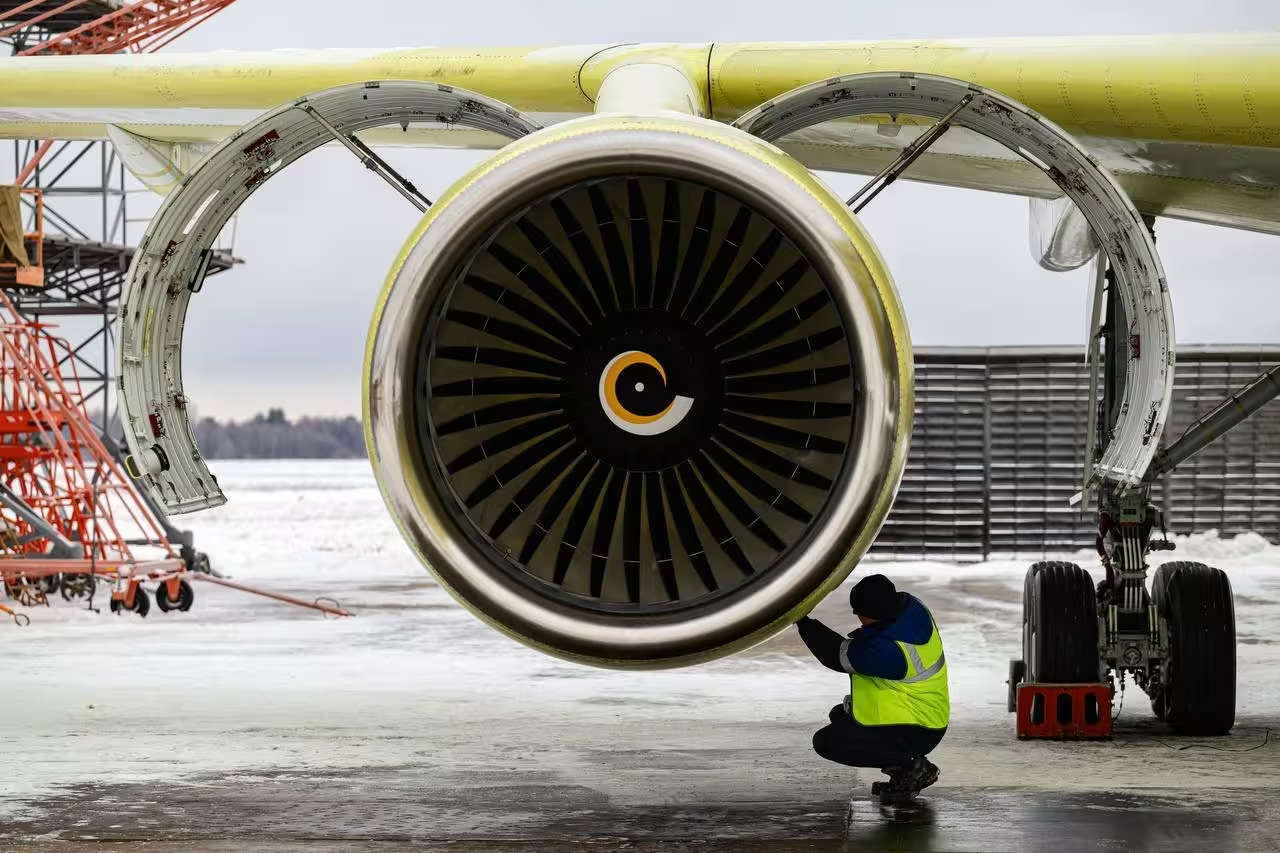
The problem that the invention solves is well known in the industry. If the fuel pressure sensor readings are incorrect, the system may start to work incorrectly. This leads either to excessive pressure and overheating of the fuel, or to its insufficient supply — up to the engine stopping.
The new method involves the simultaneous use of two pressure sensors. The system constantly compares their readings with each other and additionally compares them with the calculated model of the pump regulating element position. If a discrepancy is detected, a signal is automatically generated about the failure of one of the sensors.
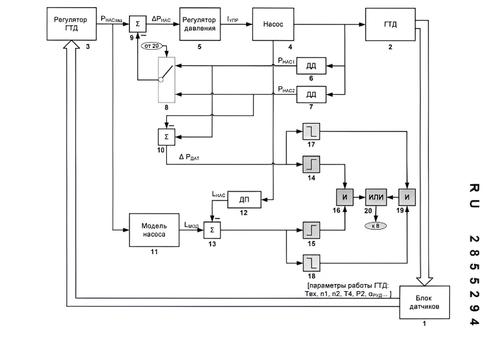
In the event of a failure, control instantly switches to the working channel, and fuel supply continues without disrupting the engine's operating mode. At the same time, the control logic takes into account both exceeding and understating readings, which allows detecting parametric failures.
Read more materials on the topic:
- Nanotechnologies in aviation: the life of the PD-14 engine blades has been increased many times
- A fuel tank that is not afraid of vacuum and weightlessness has been created in the Urals
- General designer proposed a new alternative to Starlink without satellites
Never miss our newsAdd this site to your preferred sources to see us more oftenAdd on Google