The director of the Omsk Engine-Building Association (OMO) named after P. I. Baranov, Yuri Nurtdinov, held a meeting with the director Alexey Galkin and project manager Andrey Bagdasaryan of the Omsk Robotics Design Bureau (OKBR). The parties discussed cooperation, the key topic of which is production automation.
Vladimir Dorokhin, the first deputy chairman of the regional branch of the Russian Engineering Union, who participated in the meeting, noted the importance of interaction between local enterprises.
It is noteworthy that within the SoyuzMash framework, enterprises find partners to develop cooperative ties within their competencies. They manage to agree and make decisions faster, as they have one goal — the development of domestic mechanical engineering.
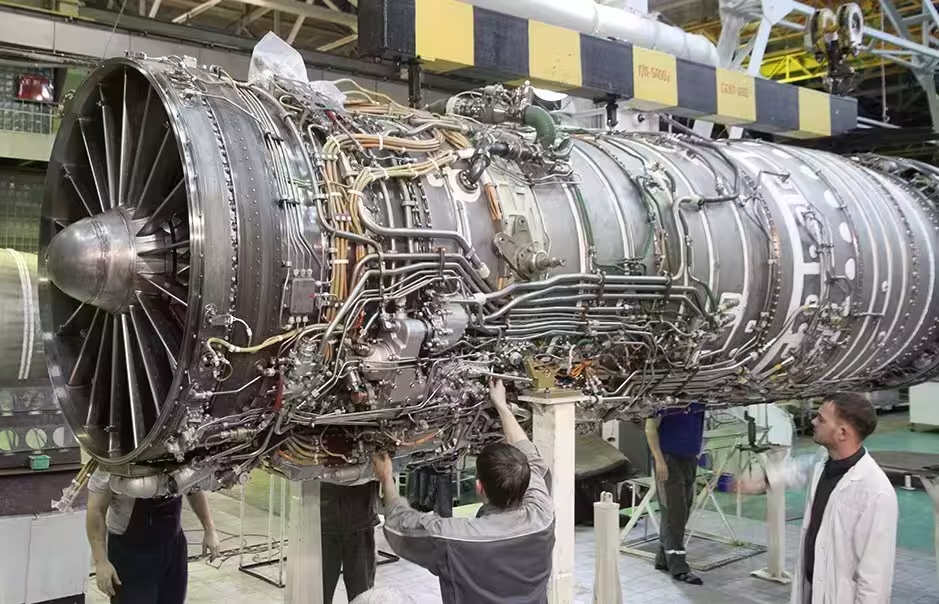
As a reminder, OMO named after Baranov produces a number of components for the NK-32 engine of the Tu-160M "White Swan" strategic missile carrier — rotor disks, deflectors, shafts and other components of the hot section of the unit.
In 2025, the plant entered the top three in terms of industrial production growth rates among the enterprises of the United Engine Corporation.
OKBR specializes in the development of "smart" systems and electronics, as well as the development of modular systems for robots, including light flamethrower systems.
Read more materials on the topic:
- Technologies of the Tu-160 "White Swan" were used in the new UEC engine: efficiency increased to 38%
- UEC showed tests of the RD-107A/108A rocket engine: burns 12 tons of kerosene in minutes
- Russia has developed a hybrid engine of the future based on hydrogen and methane
Never miss our newsAdd this site to your preferred sources to see us more oftenAdd on Google

















