Intense rainfall in late May and early June has put the Krasnodar Krai into a state of increased hydrological stress. Last month, Krasnodar received five times its monthly average rainfall. May 2026 became the wettest May in Krasnodar since the beginning of the 21st century. Formally, the Kuban River's flow management system is operating normally, but the current situation is not a localized weather event but a test of the entire hydrological system's stability in the region, with the Krasnodar Reservoir being its key element.
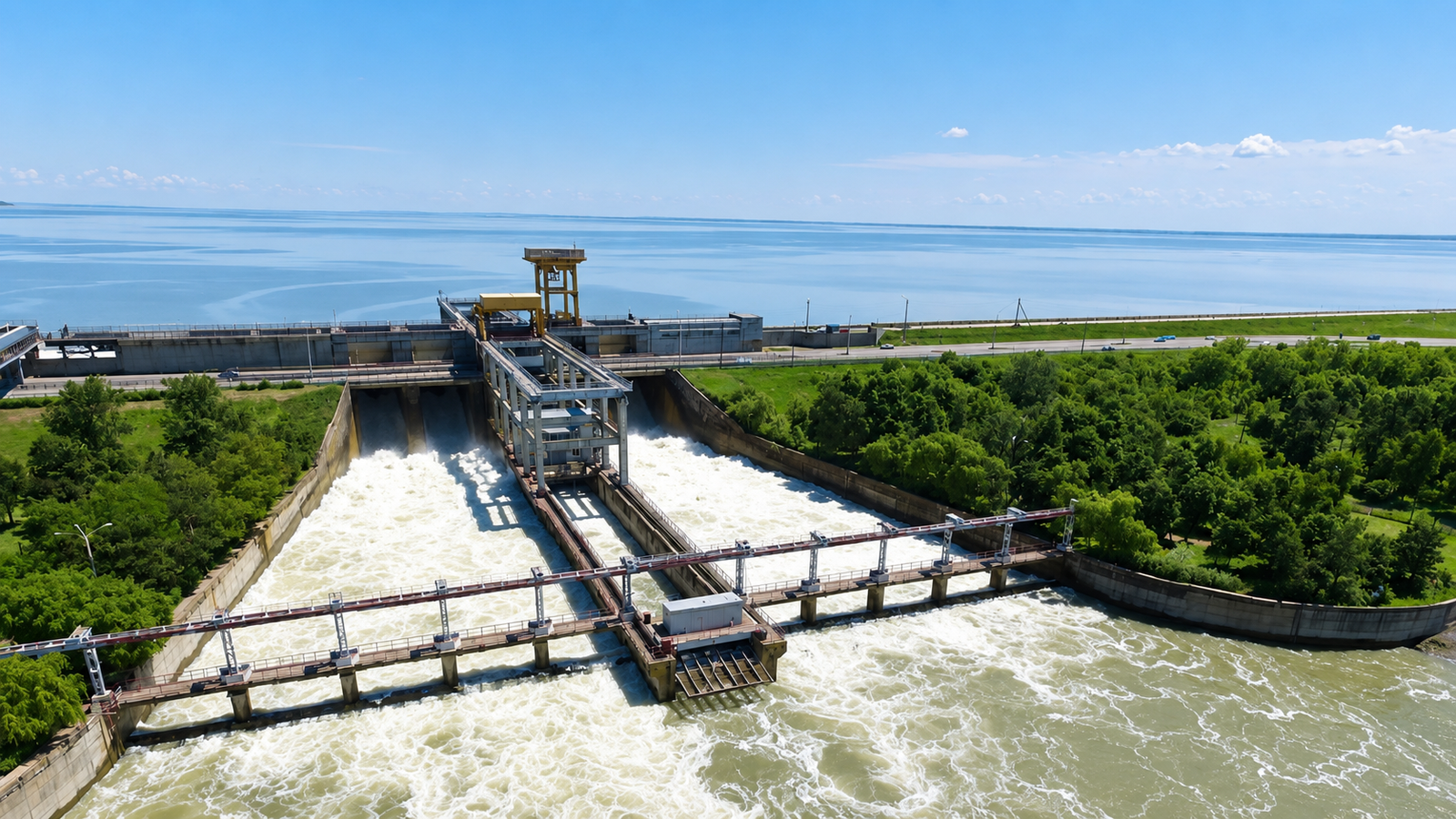
The Krasnodar Reservoir was created as a tool to cut off floods of the Kuban River and is capable of accumulating significant volumes of water due to its design volume of about 3.1 billion m³. Its primary function is not to prevent floods as such, but to redistribute their peaks over time. This is why the key engineering risk here is not related to simple overflow, but to transient regimes when inflow and outflow simultaneously increase, dynamically loading the hydraulic complex.
According to engineering estimates, the discharge capacity of the spillway structures reaches approximately 1500 m³/s, which corresponds to major flood scenarios in the region. Under current conditions, inflows are estimated to be in the range of about 900–1800 m³/s, while discharges are regulated promptly and kept within operational limits. This means that the system operates in an active management mode, rather than accumulating a critical volume of water.
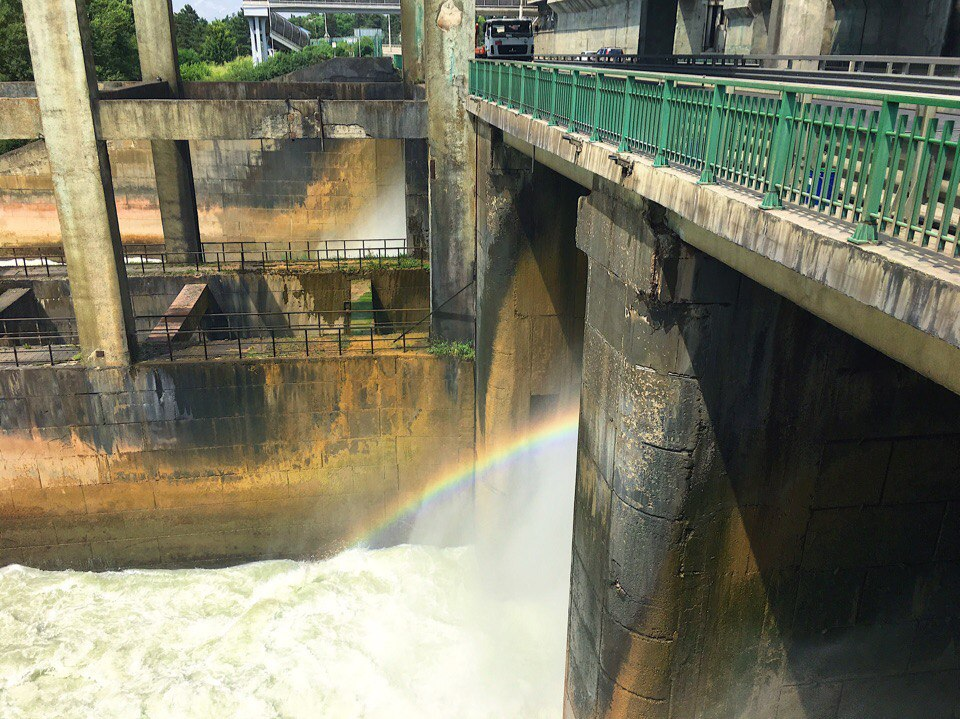
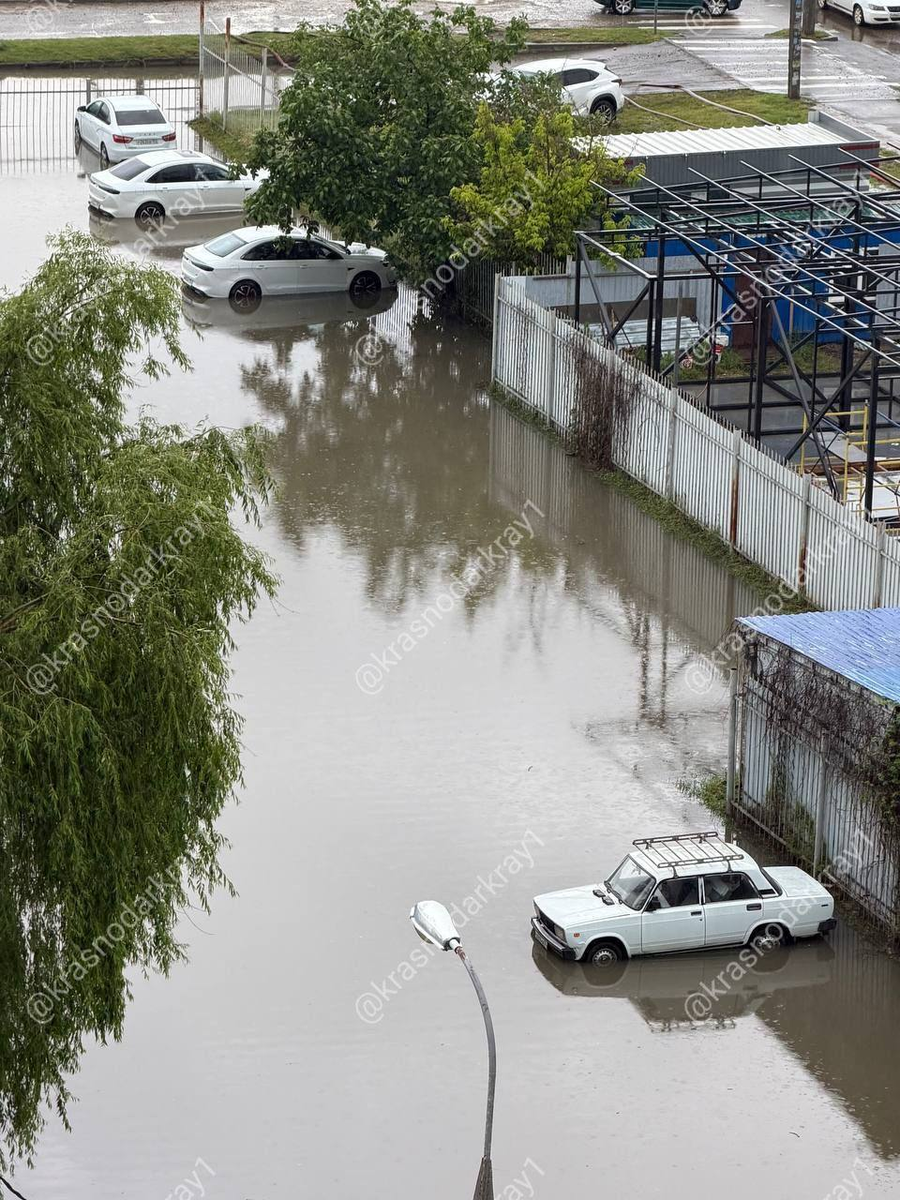
Historically, the most dangerous scenarios in the Kuban basin were not associated with the destruction of large hydraulic complexes, but with a combination of extreme rainfall and insufficient capacity of small rivers and drainage systems.
In the floods of 1960–1966, the key factor was the synchronous rise in water levels in the tributaries, which led to an overload of the river channel system. In 2012, in the Krymsk district, the tragic effect was due to local hydrology and infrastructural limitations, not the operation of the Krasnodar Reservoir, which shaped the modern understanding of the distributed nature of flood risk.
From an engineering perspective, the Krasnodar Reservoir is an earth dam, which requires constant monitoring of filtration processes and the condition of the dam body. These structures are sensitive to long-term changes — erosion, silting, and flow redistribution within the basin. However, with the current level of operation and control, a critical dam failure scenario is considered extremely unlikely.
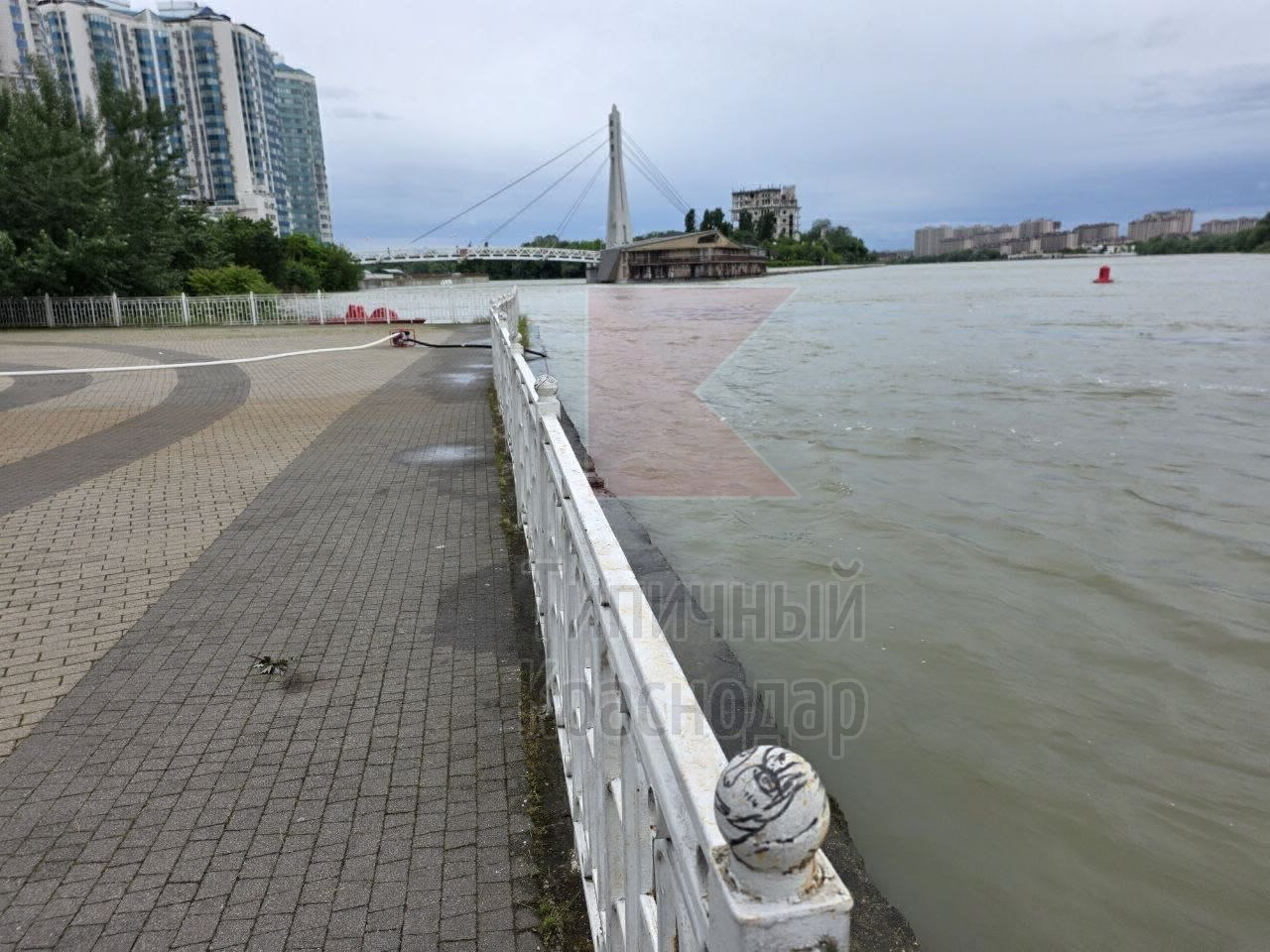
The main real risk in the current heavy rain conditions lies not in the stability of the dam, but in the cascading effect of the entire system: increased rainfall increases inflow, which requires increased discharge, and then the load shifts downstream of the Kuban, where local flooding and overloading of small water systems are possible. In such a configuration, the reservoir acts not as a source of threat, but as a regulator for redistributing flood energy.
The current situation in the Krasnodar Krai is not a scenario of hydraulic structure destruction, but a stress test of the entire flood system of the region, where stability is determined not by a single dam, but by the ability of the entire cascade structure to maintain a balance between inflow and outflow under extreme rainfall conditions.
Read more on the topic:
Never miss our newsAdd this site to your preferred sources to see us more oftenAdd on Google

















