Russian scientists from the I. Kant BFU and ITMO have developed a material that simplifies the production of hydrogen from water. The work was supported by the Russian Science Foundation.
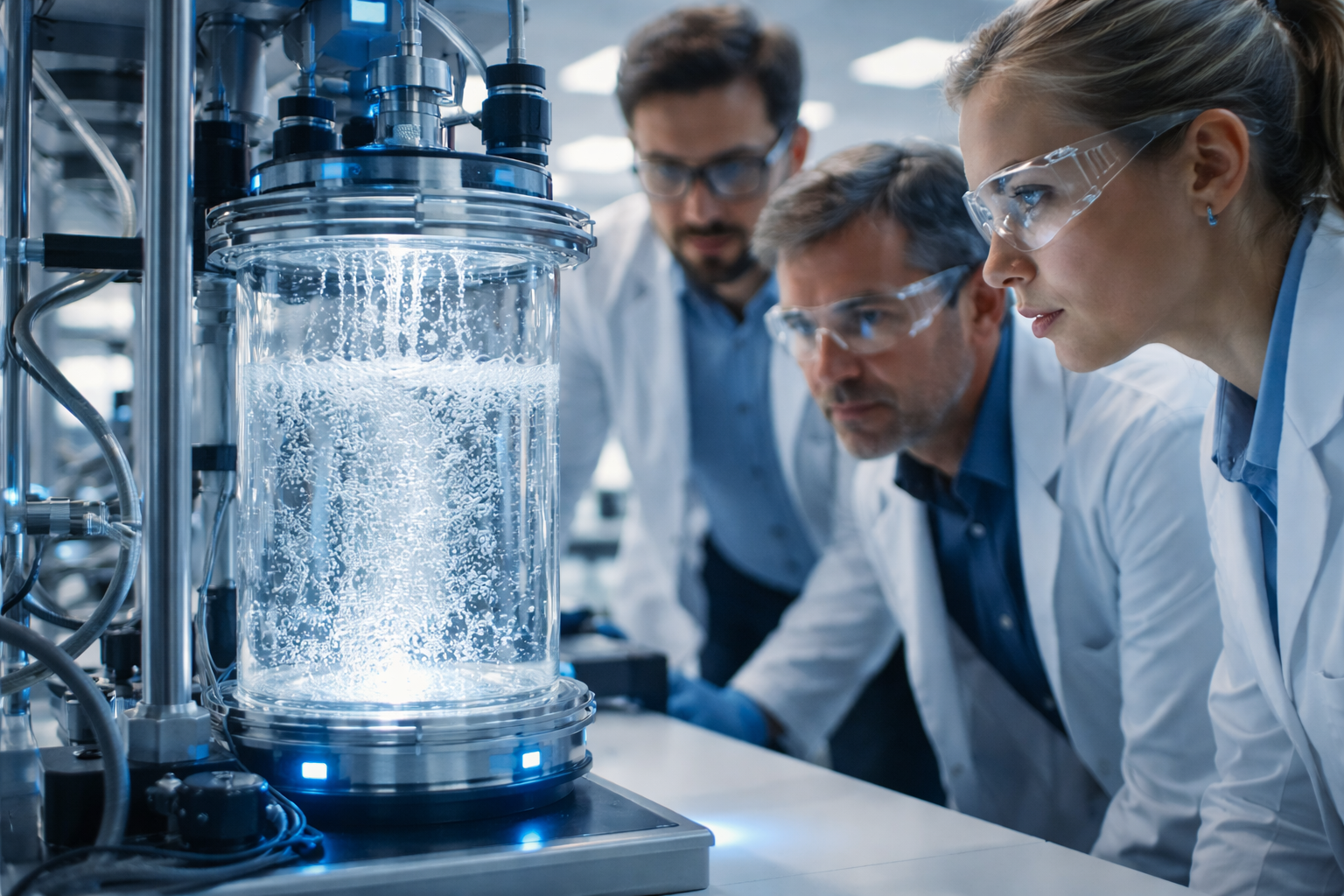
We are talking about a catalyst for electrolysis — a key stage in hydrogen production. Today, this process requires expensive metals and significant energy consumption, which makes "clean" fuel expensive. The new development is based on more affordable elements — iron, cobalt, and nickel — without the use of scarce iridium and ruthenium.
The material is synthesized at room temperature in just three stages. Its peculiarity is increased efficiency in a magnetic field, which allows you to flexibly adjust the performance of the installation for different volumes.
Hydrogen is considered a promising fuel for transport, industry, and autonomous energy: in fuel cells and hydrogen engines, only water is formed during its use. However, the high cost of production currently limits large-scale implementation.
In the future, the new technology may reduce the cost of hydrogen and accelerate the development of hydrogen transport and energy.
Read more materials on the topic:
- Technology for Producing Hydrogen from Formic Acid Created in Russia
- Russia Develops Hybrid Engine of the Future on Hydrogen and Methane
Never miss our newsAdd this site to your preferred sources to see us more oftenAdd on Google