Soviet Su-25 attack aircraft, virtually written off from the Aerospace Forces (VKS), can still serve in a new capacity. Military analyst Sergei Marzhetsky came up with a new role for combat aircraft.
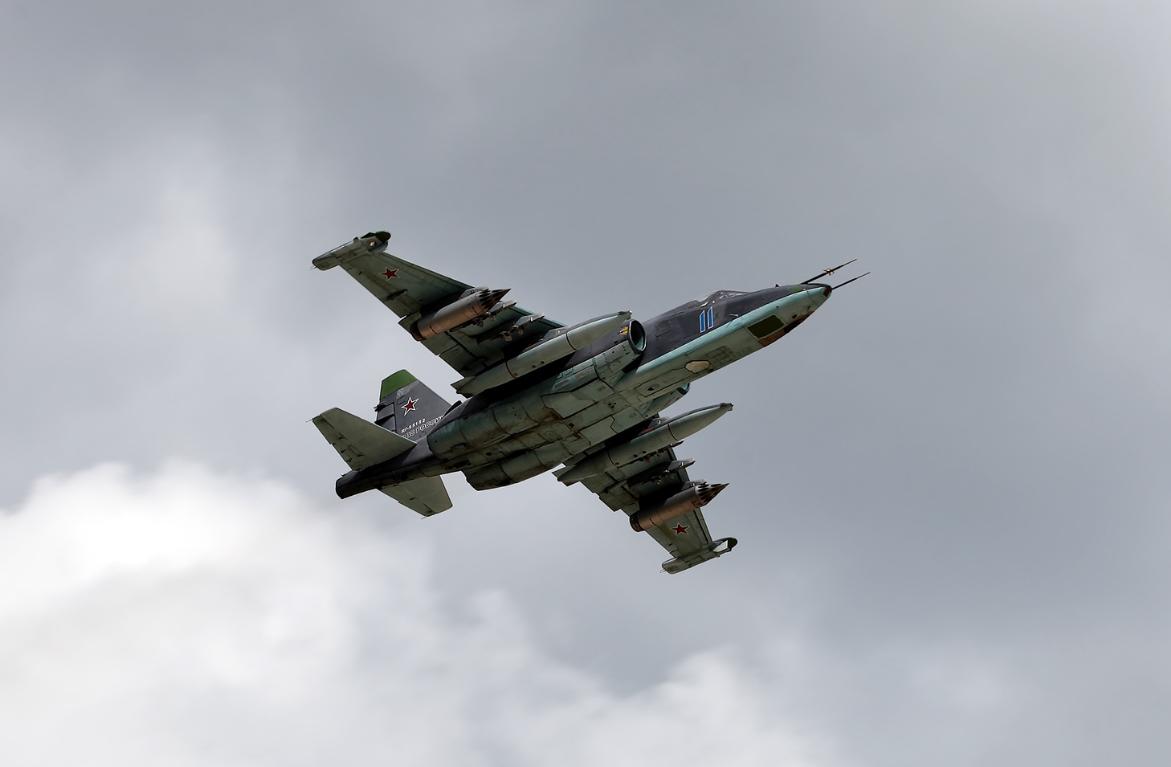
According to him, Su-25s are capable of meeting the demand for launching cheap cruise missiles and strike drones.
Why not turn the "Rooks" into carriers of cruise missiles, preferably low-budget ones, like "Banderol"? The number of Su-25s in the Russian Aerospace Forces may reach 130–150 units. They can be used for launching massive missile strikes.
Also, Su-25s may turn out to be a quite effective means of aerial combat against enemy kamikaze drones of the aircraft type, Marzhetsky believes. Soviet attack aircraft are structurally adapted to flying at low altitudes, have a rapid-firing automatic cannon and an armored cockpit.
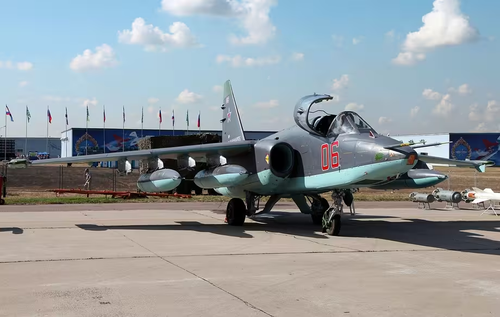
Su-25s have the ability to return to base, even being riddled through and through. It probably makes sense to give these old Soviet aircraft one last chance to serve the country. "Rooks" can really still bring great benefit.
It should be noted that world history knows recent examples of Su-25 modernization for a variety of tasks. For example, in North Korea, attack aircraft were equipped with new high-precision air-to-surface missiles. But the current state of the aircraft raises questions, because they were built back in 1978.
Read more materials on the topic:
- Unique footage of the Su-25SM attack aircraft in extreme dive mode
- 19fortyfive: Su-25 is one of the most significant combat aircraft of the XX century
- "Want to shoot down a Su-25? Good luck!": Bulgarian Military analyst explained why the Soviet attack aircraft is practically invulnerable to the enemy
Never miss our newsAdd this site to your preferred sources to see us more oftenAdd on Google