Testing of the Russian stratospheric drone "Argus" is entering the final stretch, but the key question is not altitude or communication, but the ability of the device to operate in extreme wind conditions. It is this that is the main technological barrier, said communications veteran Pavel Sergeev.
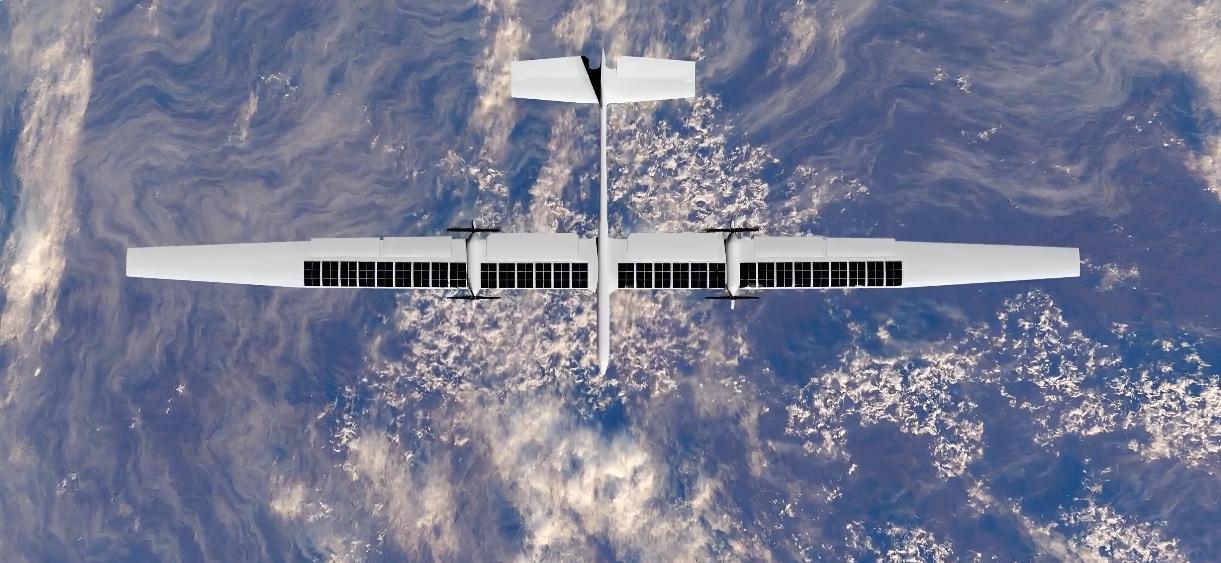
The device must be at altitudes of 15–24 km for months, providing communication and drone control. But the real challenge is hidden in the operating environment itself.
Sergeev warned that the stratosphere is a zone of powerful air currents, where the loads on the structure are many times higher than usual. According to him, the key task remains the stability of the device with a large wingspan.
The key challenge for such systems remains the complex hydrometeorological conditions in the stratosphere. The speed of movement of air masses at these altitudes is significantly higher than in the lower layers of the atmosphere, which creates enormous wind loads on the structure.
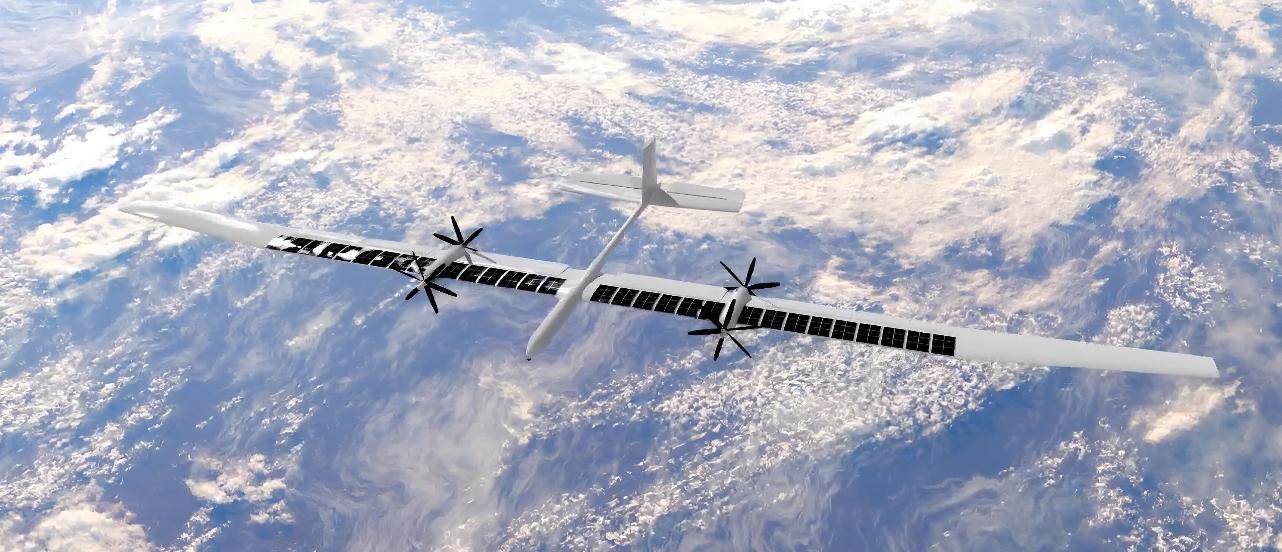
Developers need to prove that the energy scheme on solar panels and aerodynamics will allow the device to remain stable at night and in strong currents, Sergeev emphasized. It is these tests that will determine the practical value of the project.
Read more materials on the topic:
- An engineer from Tatarstan has patented an unmanned stratospheric aircraft with vertical takeoff and landing
- To replace expensive satellites: the Barrage-1 unmanned stratospheric platform has been successfully launched in Russia
- The world's first hybrid of an airplane and an airship will be created in Russia
Never miss our newsAdd this site to your preferred sources to see us more oftenAdd on Google

















