Translated with AI from the Russian original.
Pooling the efforts of Russia and China could help both countries overcome obstacles in creating advanced stealth bombers, according to Brent Eastwood, an analyst for the specialized publication 19FortyFive.
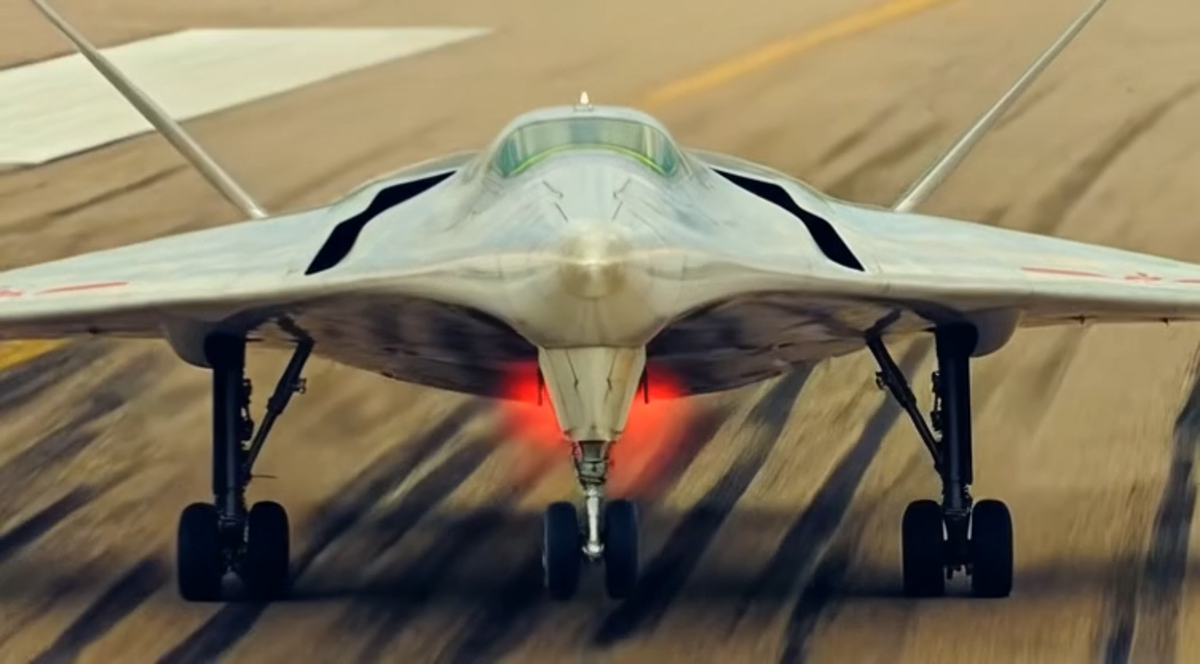
Russia is advancing the PAK DA program (Prospective Long-Range Aviation Complex), while China is focusing on the H-20 project. Both aircraft are intended to carry out strategic missions, including nuclear and conventional strikes, with an emphasis on low observability and long range.
The countries could join forces, creating one aircraft for two.
The expert notes that the programs face similar technical barriers. For the PAK DA, the key problems remain the development of reliable engines, the integration of modern avionics, and the application of effective stealth coatings that ensure low radar visibility. In addition, sanctions restrictions complicate access to critically important components.
Similarly, the H-20 project is experiencing difficulties in achieving an optimal stealth configuration for a large aircraft, as well as in creating engines capable of enabling flights beyond the "first and second island chains" — strategic zones in the Pacific Ocean. The need for maximum range, compatibility with aerial refueling, and the ability to suppress enemy air defense systems adds complexity. The H-20 is being integrated into China’s nuclear triad, which includes at least 600 warheads, and is intended to deliver weapons over long distances.
In the specialist’s assessment, the arguments in favor of partnership are obvious: both countries possess powerful industrial bases, shared geopolitical interests, and similar mission requirements.
Read more articles:
- Su-30SM2 over the Baltic Sea: an unusual weapons configuration revealed
- TNI: Five fighters developed in the USSR and Russia made it into the top ten most exported models
- Russian military modernized the Soviet BTR-50: anti-drone "grills" and the powerful "Utyos"
Never miss our newsAdd this site to your preferred sources to see us more oftenAdd on Google

















