Translated with AI from the Russian original.
One-hundred-seat aircraft initially find themselves in a less favorable economic position compared with larger-capacity airliners. This was explained by Aleksandr Dolotovskiy, Deputy Managing Director of PAO Yakovlev and Director of the Regionalnye samolety branch.
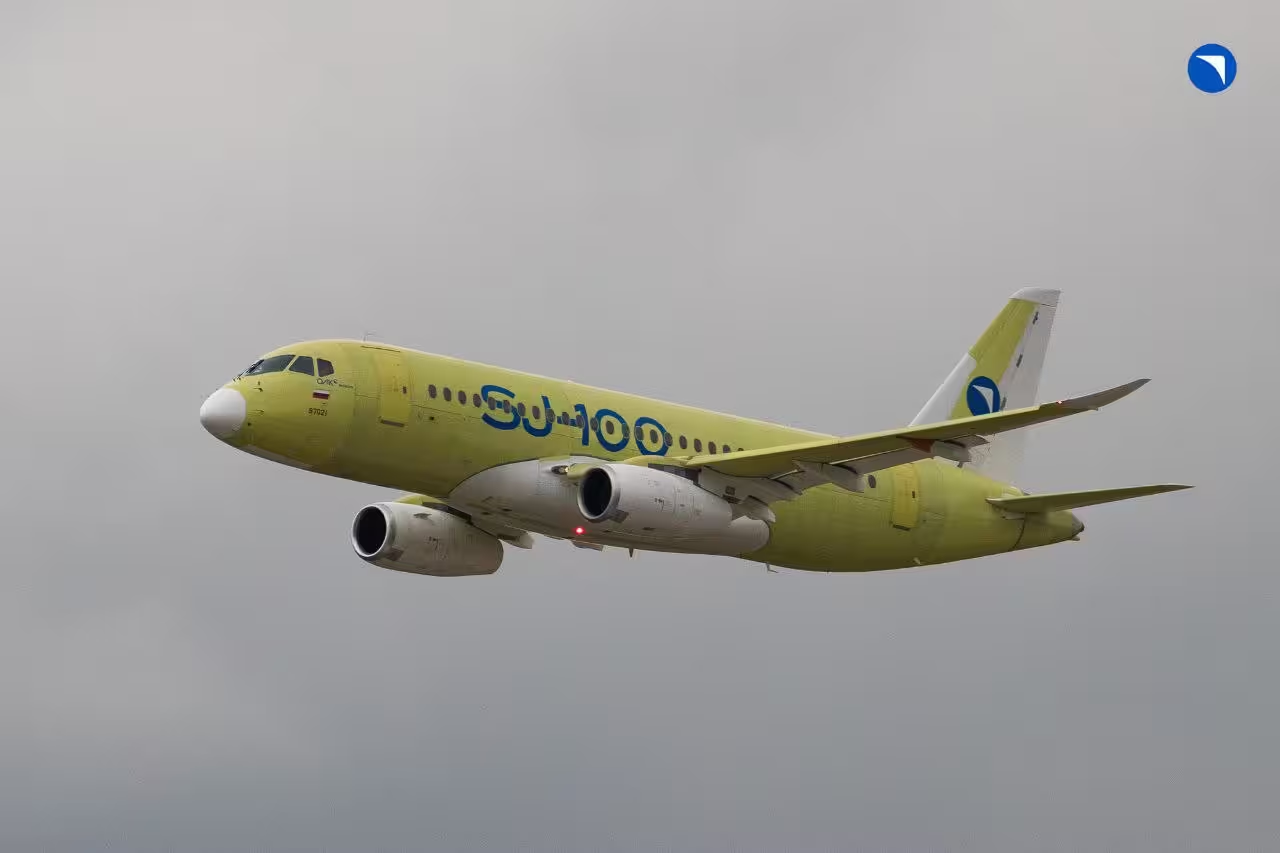
He drew attention to an important factor: the limitation of annual flight time by the operating model. One-hundred-seat aircraft usually fly shorter routes, and this predictably reduces the total annual flight time.
The point is that in addition to flight time, there is also the time the aircraft spends on the ground during pre-flight preparation. And it is the same for flights of any duration and amounts to at least one and a half hours of additional working time for both the crew and the aircraft.
Dolotovskiy continued that when operating a one-and-a-half-hour route and performing four flights a day, an aircraft will spend 6 hours in the air, but its working time will exceed 10 hours. The same aircraft flying a three-hour route will log 12 flight hours over four flights with 16 hours of working time.
This means that for short routes, calculated per flight hour, almost twice as much must be spent on the crew. The wear of aircraft systems in cycles per flight hour is also significantly higher, which negatively affects the cost of maintaining airworthiness. The economics of a flight, in terms of seat-kilometer transportation cost, are about 1.5 times worse for one-hundred-seat aircraft than for 180-190-seat aircraft.
The Director of the Regionalnye samolety branch noted that, at first glance, small aircraft should have completely disappeared from the market, but there is one "but" connected with the characteristics of actual passenger traffic.
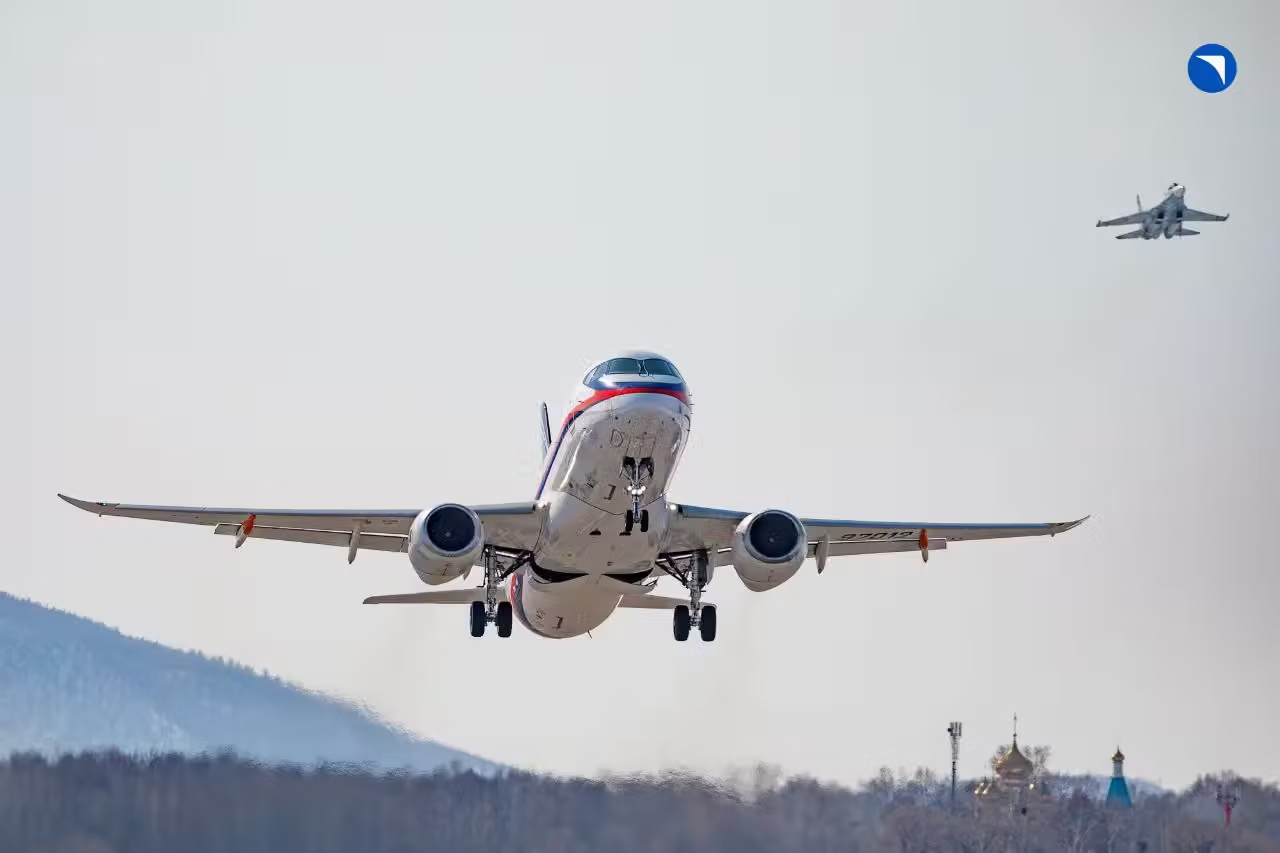
Suppose traffic on a route is limited to one hundred people a day. If you put a 180-190-seat aircraft on it with a low standard seat/kilometer cost, the picture changes dramatically. The absolute cost of a flight depends only weakly on load factor (for a one-hundred-seat aircraft it is about half as much). Accordingly, at half load, the large aircraft will become at least 50% worse than the "Superjet" in terms of seat/kilometer cost.
Dolotovskiy explained that this is precisely why the idea of completely abandoning one-hundred-seat aircraft and producing exclusively large narrow-body and wide-body aircraft was never realized.
It should be noted that in 2026 the main Russian-made aircraft in the ~100-seat category is the SJ-100 (the import-substituted version of the Superjet 100), with a capacity of about 98-103 passengers.
Read more on the topic:
- Rostec named the timeline for the production of 12 new "Superjets" and the completion of MC-21 certification
- What will prevent the SJ-100 from entering a stall?: A representative of PAO Yakovlev gave the answer
- The number of SJ-100 aircraft that are "ours down to the last bolt" has reached 24
Never miss our newsAdd this site to your preferred sources to see us more oftenAdd on Google

















