Translated with AI from the Russian original.
Modern technologies for protecting devices and personal data using a fingerprint or Face ID are considered safe, according to the Department for Combating Illegal Use of ICT (UBC) of the Ministry of Internal Affairs of the Russian Federation.
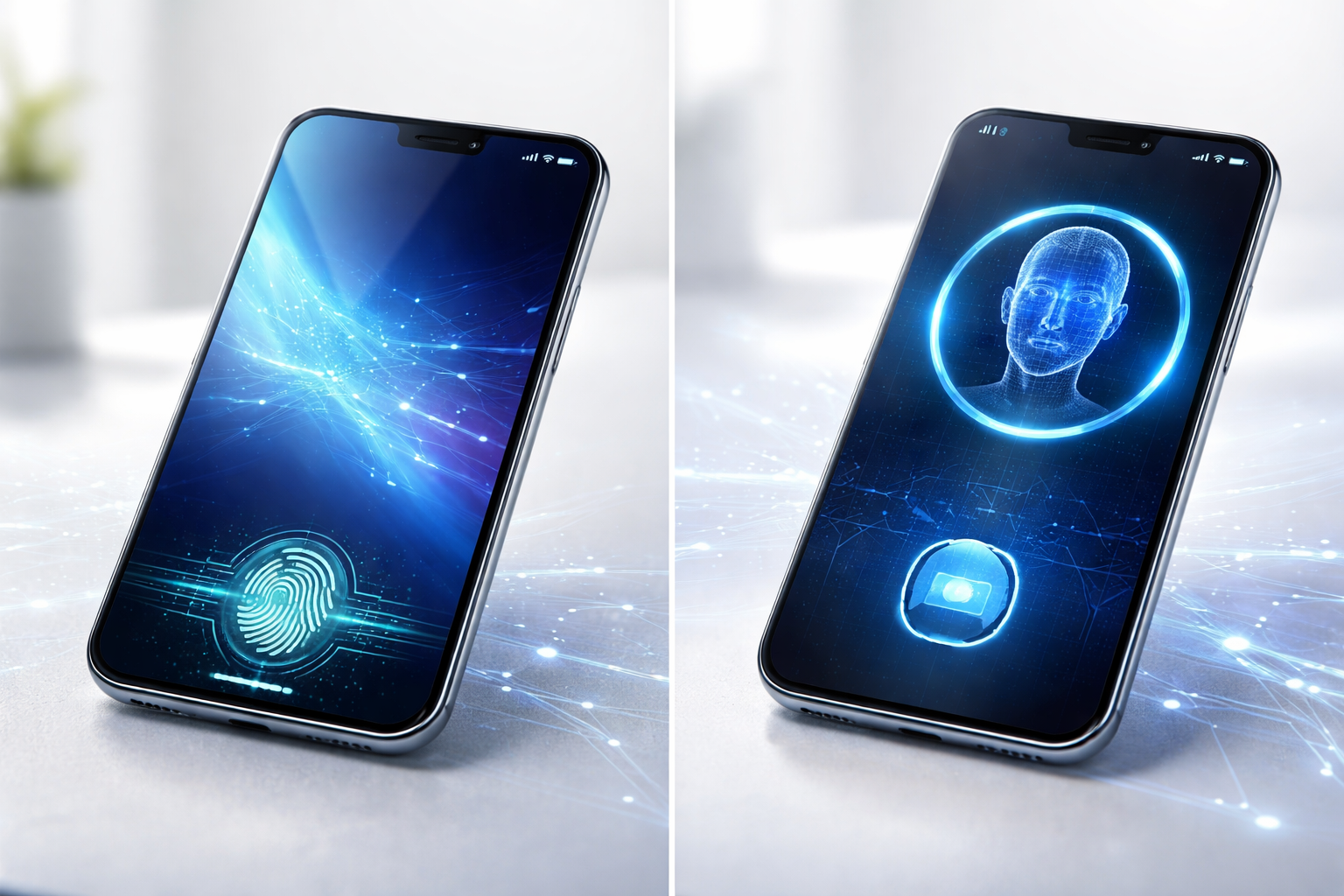
The department explained that when unlocking a phone using biometrics, the device does not store a photo of the face or a fingerprint. Instead, a unique mathematical template is created - a digital image based on the 3D geometry of the face or the fingerprint pattern.
This template never leaves the device's secure environment: Secure Enclave in Apple or Trusted Execution Environment in Android. Here it is stored in encrypted form and compared with newly read data each time it is unlocked.
The cyberpolice emphasized that the device's operating system does not have direct access to the template. When the scanner is activated, a new temporary template is created, which is compared with the "reference" inside the chip. The data is not sent to the cloud and is not stored on third-party servers, unlike passwords, which can become a target for hackers in the event of leaks.
Modern scanners cannot be fooled by a photo or video. New devices use infrared scanning and depth analysis to make sure there is a living face in front of the camera.
Read more on the topic:
- Complex password instead of Face ID: the Ministry of Internal Affairs warns about the risks for the wallet
- Why is biometrics needed in popular applications and how can a new level of protection create a risk of data leakage
- Face and voice are a thing of the past: what will be the next stage in the development of biometric systems
Never miss our newsAdd this site to your preferred sources to see us more oftenAdd on Google

















