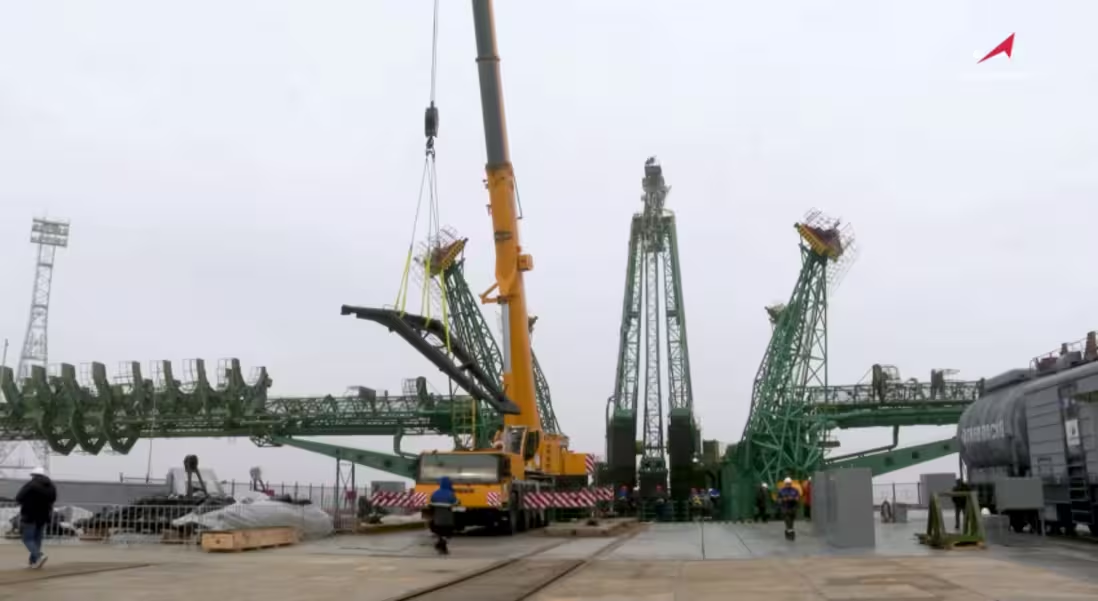
At the Baikonur Cosmodrome, the repair of the launch complex of site No. 31 has been completed, from which the launches of the manned spacecraft "Soyuz" and cargo "Progress" are carried out. The work was carried out after the incident in November 2025, when the launch of the Soyuz MS-28 crew resulted in a partial collapse of structures.
The crew, consisting of two Russian cosmonauts and a NASA astronaut, successfully reached the ISS, but the ground equipment was critically damaged.
The restoration took several months: 2,350 m² of metal structures were replaced, and service systems were modernized. The first launch after the repair is scheduled for the Progress MS-33 cargo ship on March 22, 2026. Next, after a technological pause, a manned Soyuz will be launched from the same site.
For Russia, site No. 31 remains the only launch complex suitable for sending crews into near-Earth orbit. At the same time, the cosmodrome is located on the territory of Kazakhstan.
Igor Marinin, Academician of the Russian Academy of Cosmonautics named after Tsiolkovsky, notes that this dependence creates long-term risks: even with the current level of bilateral relations, the political situation may change, as happened with Ukraine.
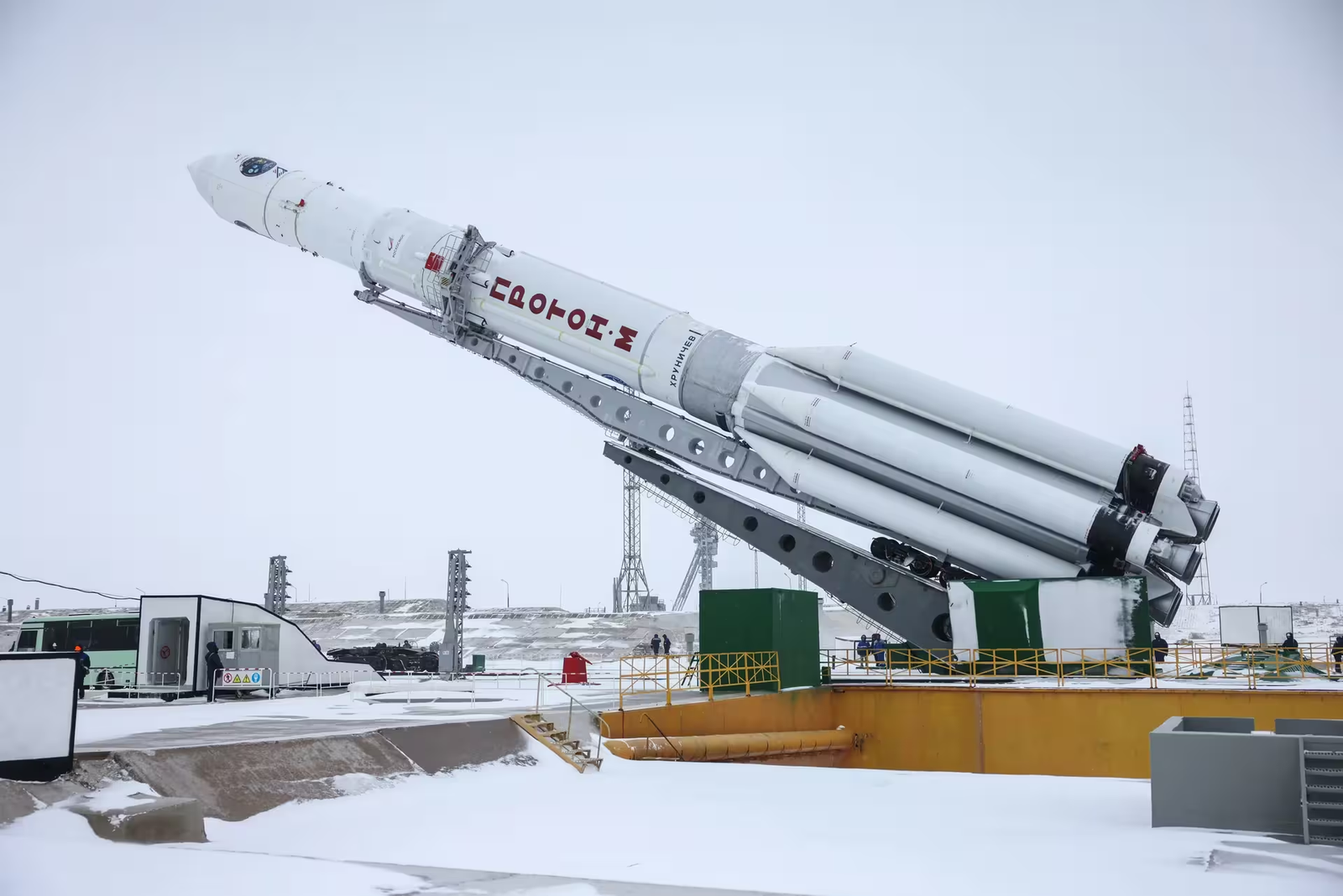
An additional vulnerability factor, according to Marinin, is that Baikonur also houses a launch complex for heavy Proton rockets, which are used to put payloads into geostationary orbit. The Vostochny Cosmodrome is technically ready for launches of Soyuz-2 rockets, but its geographical location creates limitations for manned programs.
It is more convenient to launch manned missions to an orbit with a different inclination of 97 degrees from Vostochny. And these should no longer be Soyuzes, but heavier ships. This is how it was planned several years ago: the Russian Orbital Station is located in a polar orbit, and astronauts are delivered there by new generation ships from Vostochny. But this program is currently on hold.
The incident at site No. 31 was the first in the history of manned cosmonautics since 1957, when ground equipment was destroyed at the time of launch.
The probability of this happening again is zero from a mathematical point of view. So one table will be enough for the first time.
The Kazakh side also controls the Gagarin Start (site No. 1), which is mothballed. If necessary, it can be adapted for Soyuz-2 within a year, but investments in infrastructure on the territory of another state remain economically impractical.
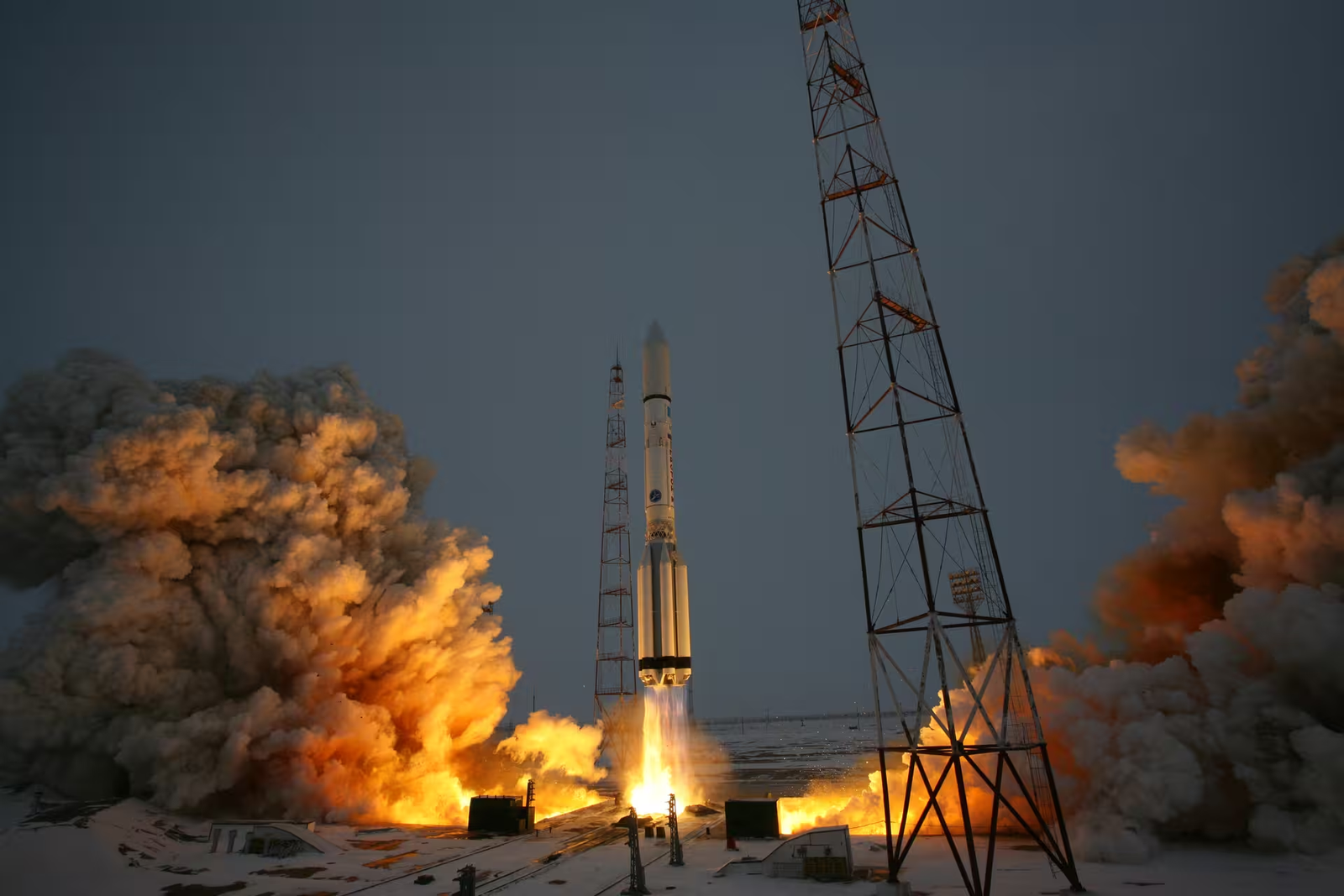
According to expert Marinin, in the next 10 years it is advisable for Russia to maintain stable relations with Kazakhstan and use Baikonur as the main base for manned launches. In parallel, it is necessary to develop new generation technologies — ships, life support systems and radiation protection equipment — for operation in complex orbits. By the 2030s, space technology is expected to emerge that will allow Russia to reduce its dependence on foreign infrastructure and implement missions on fundamentally new trajectories.
Read more materials on the topic:
Read more on the topic:
Never miss our newsAdd this site to your preferred sources to see us more oftenAdd on Google