The Central Aerohydrodynamic Institute named after N.E. Zhukovsky (TsAGI) has completed the first stage of research on the creation of a new generation supersonic civil aircraft. As part of this work, a flying technology demonstrator called "Strizh" has been developed and tested. The project is being implemented in cooperation with the enterprises of the United Aircraft Corporation (UAC) and the United Engine Corporation ("ODK-Klimov") with the coordination of the Research Center "Institute named after N.E. Zhukovsky" and the support of the Ministry of Industry and Trade of Russia.
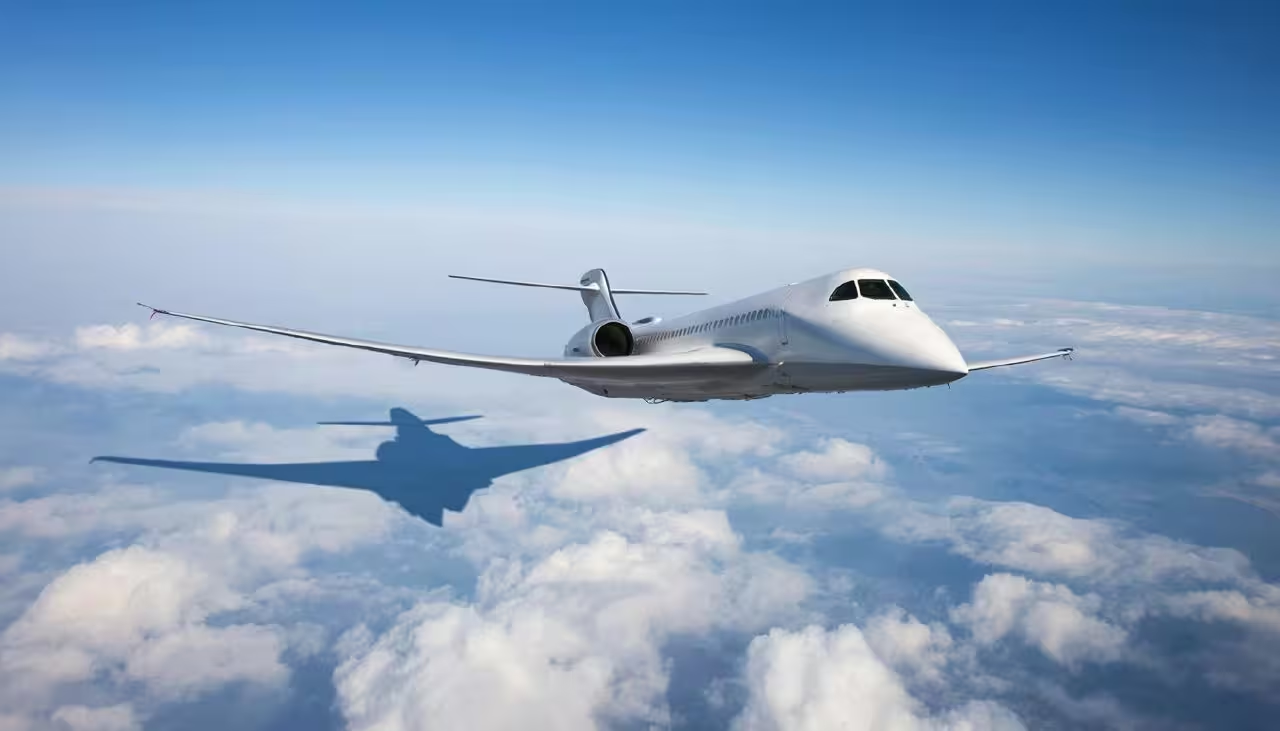
The past studies have demonstrated the technological viability of Russia and allow us to confidently look at the further continuation of work in this vector.
One of the key features of the demonstrator was the upper location of the power plant on the fuselage. This configuration significantly reduces the intensity of the sonic boom during supersonic flight — the main barrier to the commercial use of such aircraft. The complex includes two engines with flat jet nozzles — a solution first used in domestic practice.
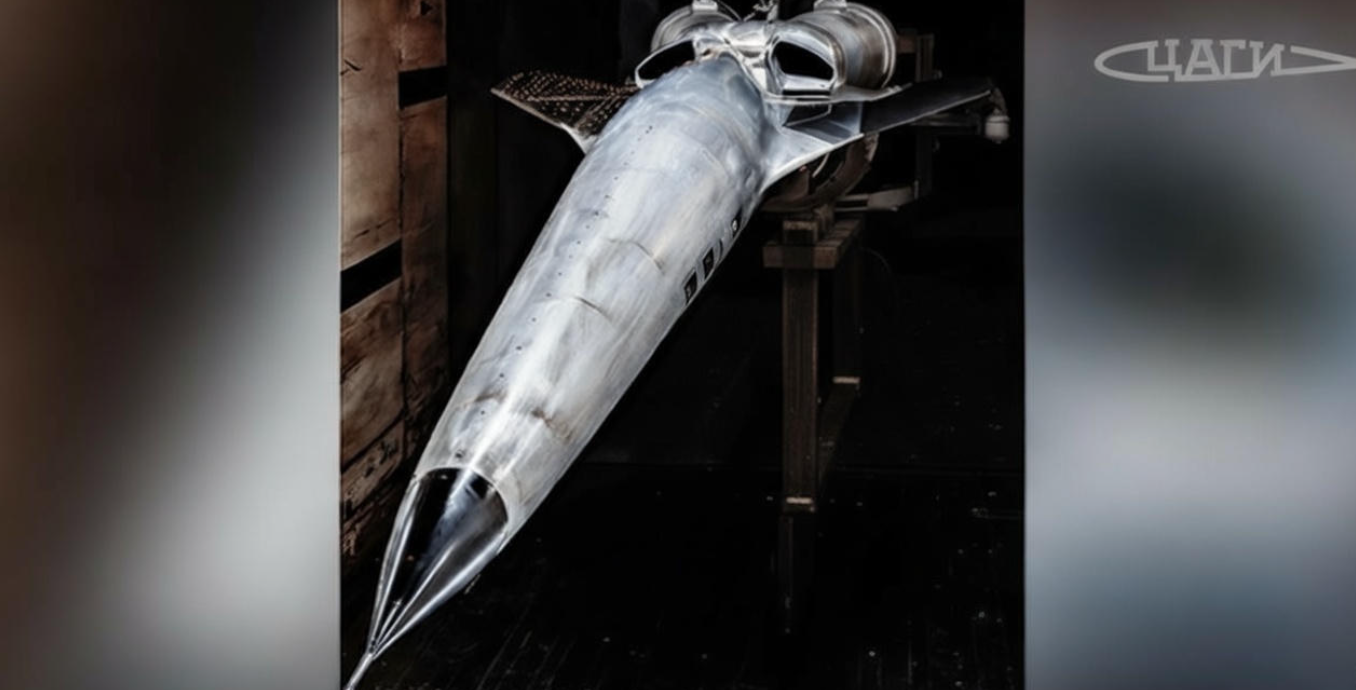
Models of power plant elements underwent aerodynamic tests in TsAGI wind tunnels. The results showed that the air intakes demonstrate characteristics exceeding the standard ones, and the loss of thrust due to the flat shape of the nozzle remains within acceptable values for the demonstration apparatus.
It is also noted that the innovative RD-93MS engine with a flat nozzle and oblique cut for the Strizh supersonic aircraft was tested by ODK-Klimov engineers.
Earlier www1.ru reported that TsAGI is testing oval fuselages for new airliners.
Read more materials on the topic:
- For the naval aviation of the future: the development of a new test complex for ekranoplans has been launched in Zhukovsky
- TsAGI improves the safety of passenger aircraft landing gear
- By 2030, Russian aircraft flying abroad will need 5-6 million carbon units
Never miss our newsAdd this site to your preferred sources to see us more oftenAdd on Google

















