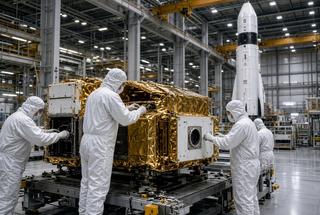
The Reshetnev company (part of Roscosmos) has begun developing terminals to provide stable satellite communications on moving objects.
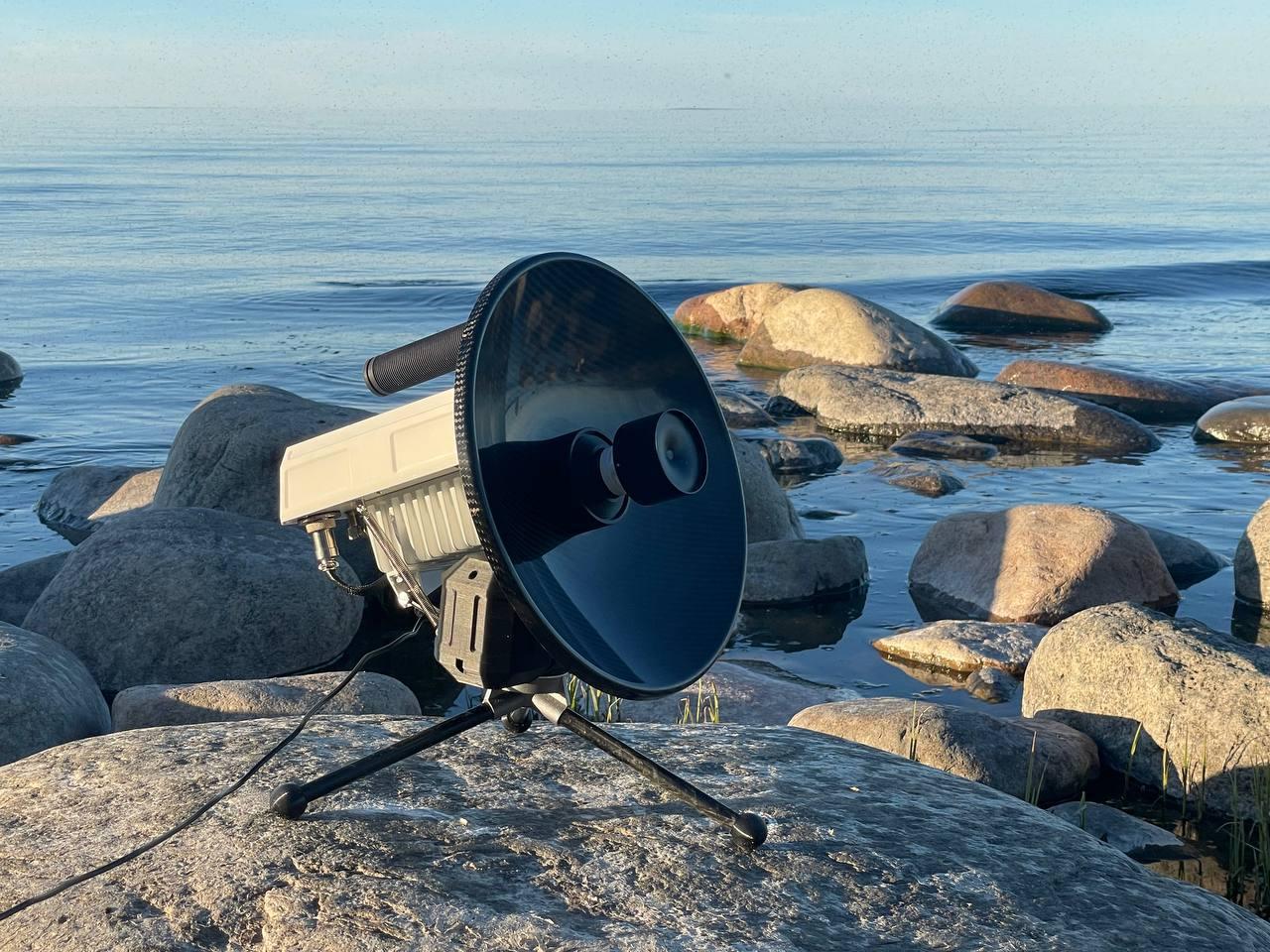
The first in the line of compact subscriber terminals was the RS-30M. The weight of the device is 2.5 kg, it is equipped with an antenna with a diameter of 30 cm. The RS-30M is designed for two-way data transmission on mobile objects.
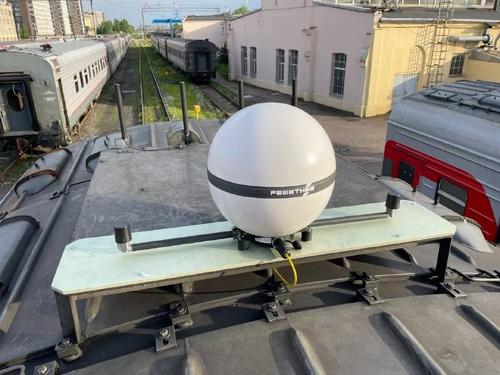
The RS-30M terminal has successfully passed tests on a train traveling along the St. Petersburg - Murmansk route.
The terminal's antenna maintained communication with a spacecraft operating in geostationary orbit (36,000 km above the Earth). The terminal provided telemetry, information (text, voice) and broadband access in open areas.
In the future, it is planned to conduct similar tests on other railway routes. The developers are confident that this technology can be used in maritime transport, aviation, and to provide communications in remote regions of the country.
Earlier,www1.ru reported that the latest SJ-100, MS-21 and Tu-214 aircraft willreceive satellite WiFi on board.
Read materials on the topic
High-speed Internet will appear in Russian long-distance trains
Internet on rails: Russian Railways will accelerate Wi-Fi in trains up to 1 Gbit/s
In the network all the way: the Moscow - St. Petersburg route was provided with stable Internet
Never miss our newsAdd this site to your preferred sources to see us more oftenAdd on Google