JSC "Russian Space Systems" (RKS, part of Roscosmos) has begun developing and preparing for the serial production of new generation microelectronic memory modules for spacecraft. These components are designed for communication and Earth remote sensing (ERS) satellites and will significantly reduce the weight and size of onboard electronics without losing performance.
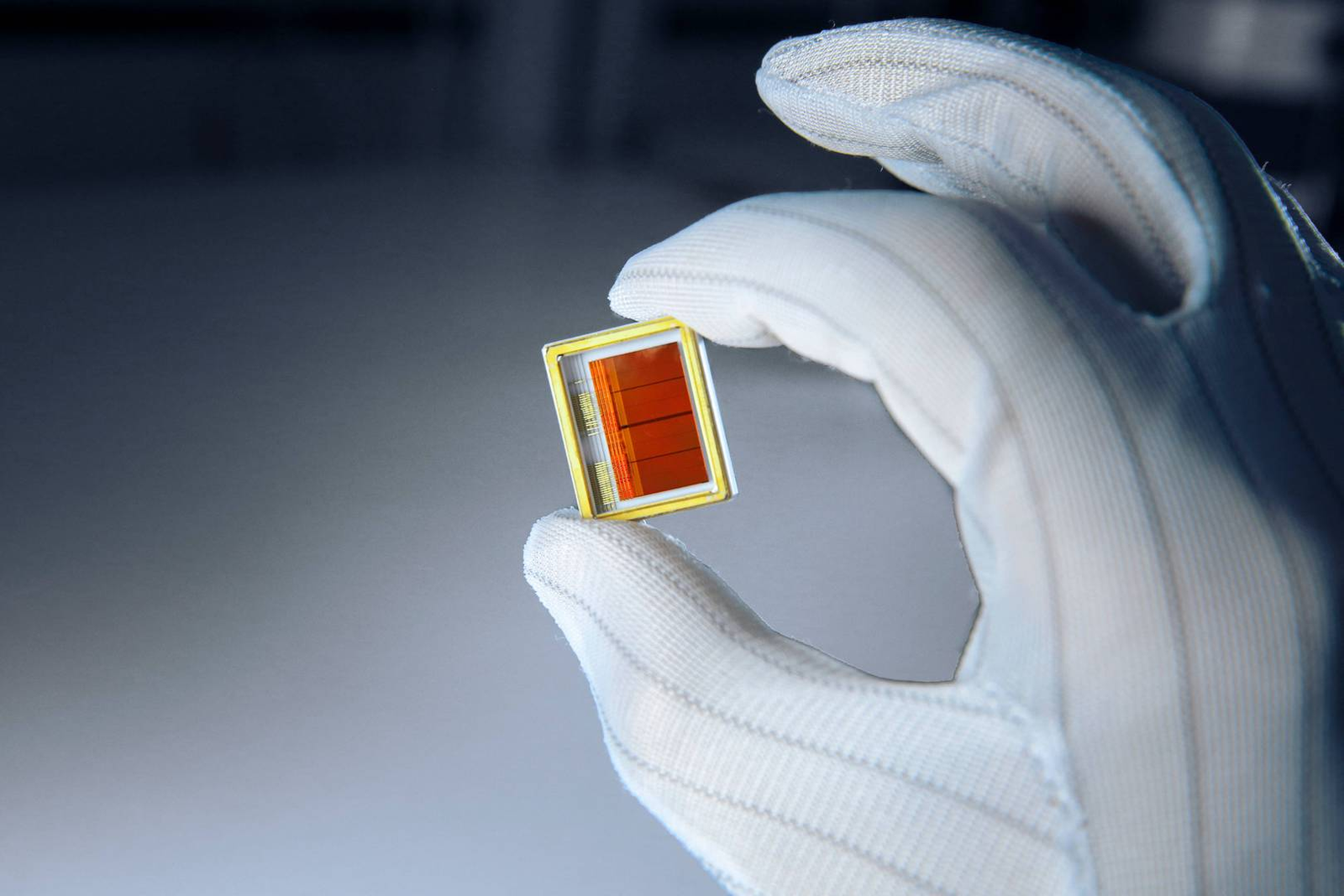
Modern spacecraft require compact but highly reliable solutions. RKS specialists have developed a method that allows for more efficient use of space inside the device's housing - "stack assembly". The method consists of installing the crystals on top of each other in the desired order, and then welding their connections. This assembly method allows components to be placed very close to each other, which leads to a reduction in the size and weight of the device.
Depending on the model, the memory capacity can vary from 2 to 80 megabytes, with a memory organization of 8 to 40 bits. There are also devices with a memory capacity of 64 to 512 gigabytes and a memory organization of 8 bits.
Such a significant reduction in the weight and size of electronic component base while maintaining its reliability and efficiency allows reducing the energy consumption of various onboard devices, simplifying their design and expanding functionality. Currently, the design, technological documentation is being actively finalized and preparations are underway for the serial production of microelectronic modules.
The new modules are planned to be used in the "Yamal", "Express-RV" and the ERS "Autograph" group with "Pixel-VR" devices. According to Andrey Karutin, Deputy General Director of RKS, the company is already receiving requests for supplies and is ready to meet the needs of not only the space industry, but also related fields.
Read more materials on the topic:
"Progress" visited Baikonur: a new space truck is preparing for an autumn launch to the ISS
Sanctions are to blame: GTLK acknowledged a low level of import substitution
Never miss our newsAdd this site to your preferred sources to see us more oftenAdd on Google