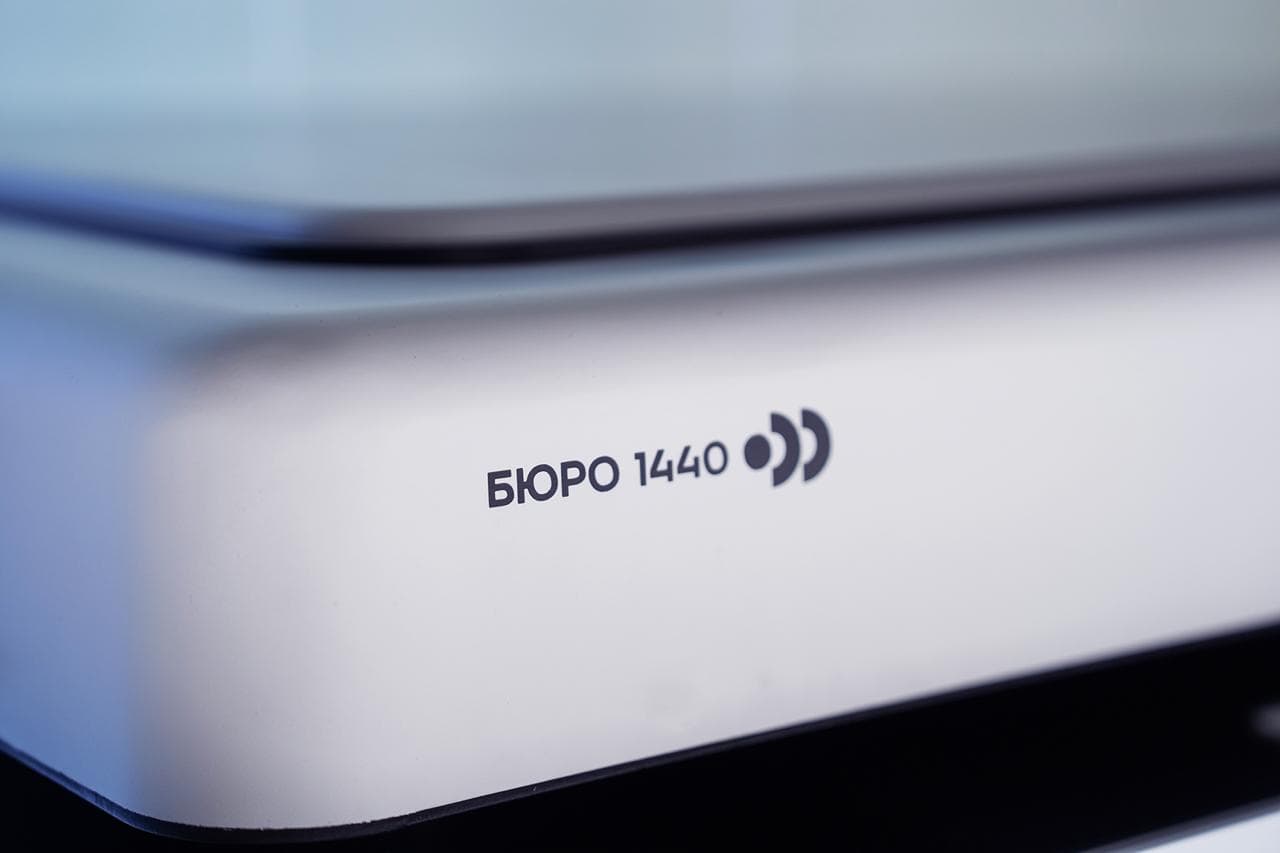
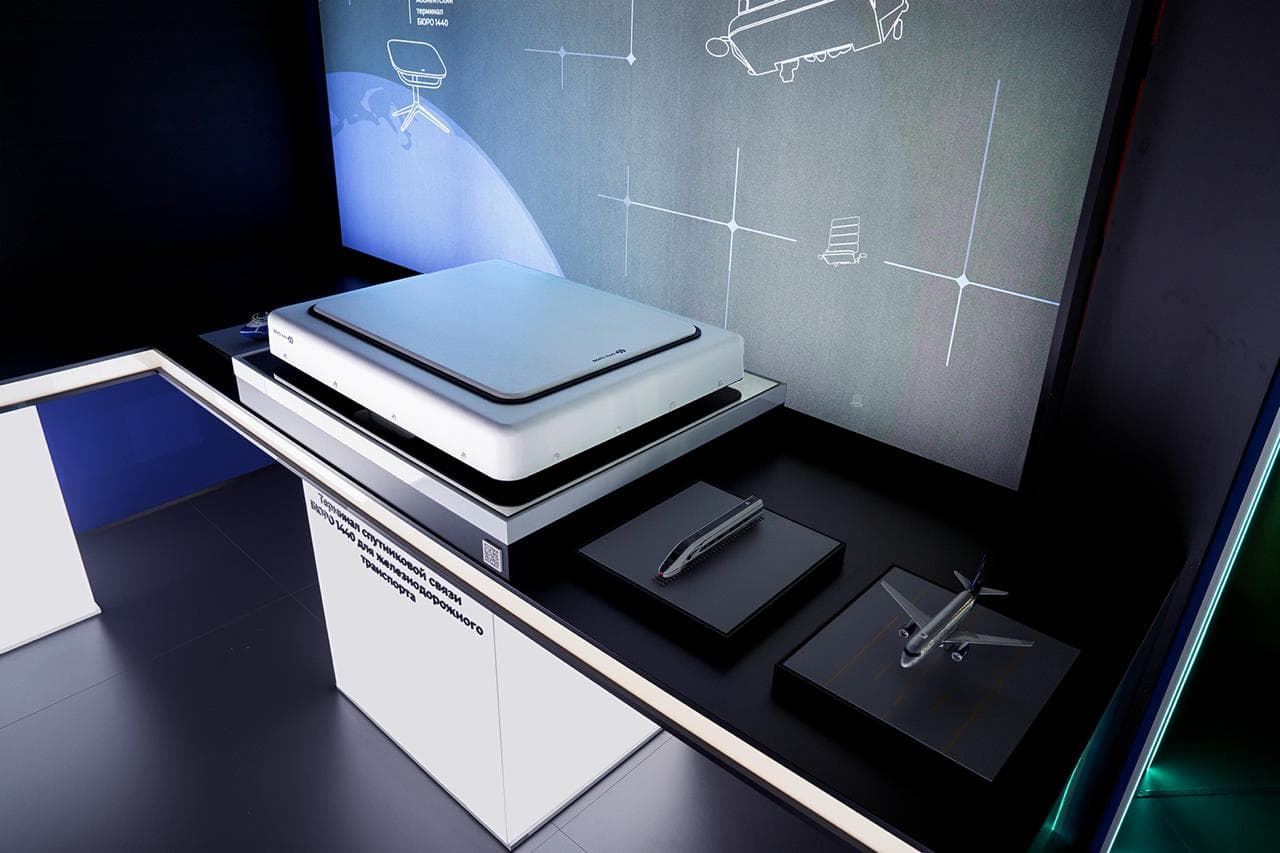
Practical tests of satellite communication have begun in Russia as part of the "Buro 1440" project. Terminals for receiving signals from the low-orbit "Rassvet" constellation are already being tested on experimental railway rolling stock. This was announced by Alexey Shelobkov, CEO of "IKS Holding".

According to him, 2026 will be a pilot operation phase: the first clients will be able to check the quality of the service, the infrastructure's operation, and how correctly the terminals, network, and satellite segment interact. Currently, the company, together with RZD, is deciding how to integrate the equipment into passenger trains. In the future, the service is planned to be made available to passengers.
For railway transport, such communication is especially important: stable internet is not always available on long routes. Shelobkov gave an example of a trip from Moscow to Vladivostok, where out of six and a half days of travel, there might be no normal connection for about four days. According to him, covering such distances with fiber optics is not economically feasible, which is why the transport industry became one of the first potential users of the satellite service.
"Buro 1440" maintains its plan for commercial launch in 2027, despite shifts in individual stages. The company is developing the project through forward contracts with large customers. Clients include RZD, Aeroflot, VimpelCom, MegaFon, Severstal, Transneft, and ALROSA. Shelobkov emphasized that these agreements are strict and binding for both parties.
In March, "Buro 1440" launched the first 16 satellites of the "Rassvet" target constellation into orbit. In 2025–2030, the total funding for the project is estimated at approximately 430 billion rubles. About 25% comes from the support of the Ministry of Digital Development, while budget funds are directed not to the satellites themselves, but to launches — rockets and launch vehicles. The share of "IKS Holding", according to Shelobkov, exceeds 75% of the total funding.
In the next two to three years, the company also plans to test Direct to Cell technology — direct satellite communication with smartphones. In addition, "IKS Holding" is already negotiating with potential clients from other countries, but expanding beyond Russia will be a task for subsequent stages. At the same time, the company specifically emphasizes that "Rassvet" is not a copy of Starlink: the project is called its own satellite communication platform for the Russian digital economy, transport, industry, and remote territories.
Read more on the topic:
Never miss our newsAdd this site to your preferred sources to see us more oftenAdd on Google

















