Russian paleogeneticists from the Institute of Molecular and Cellular Biology of the Siberian Branch of the Russian Academy of Sciences, the Academy of Sciences of the Republic of Sakha, the North-Eastern Federal University, and the Institute of Biological Problems of Cryolithozone of the Siberian Branch of the Russian Academy of Sciences have for the first time reconstructed the three-dimensional structure of the mammoth's chromosomes, using the remains of an animal found in 2018 near the Yakut village of Belaya Gora. The research results were published by the scientific journal Cell.
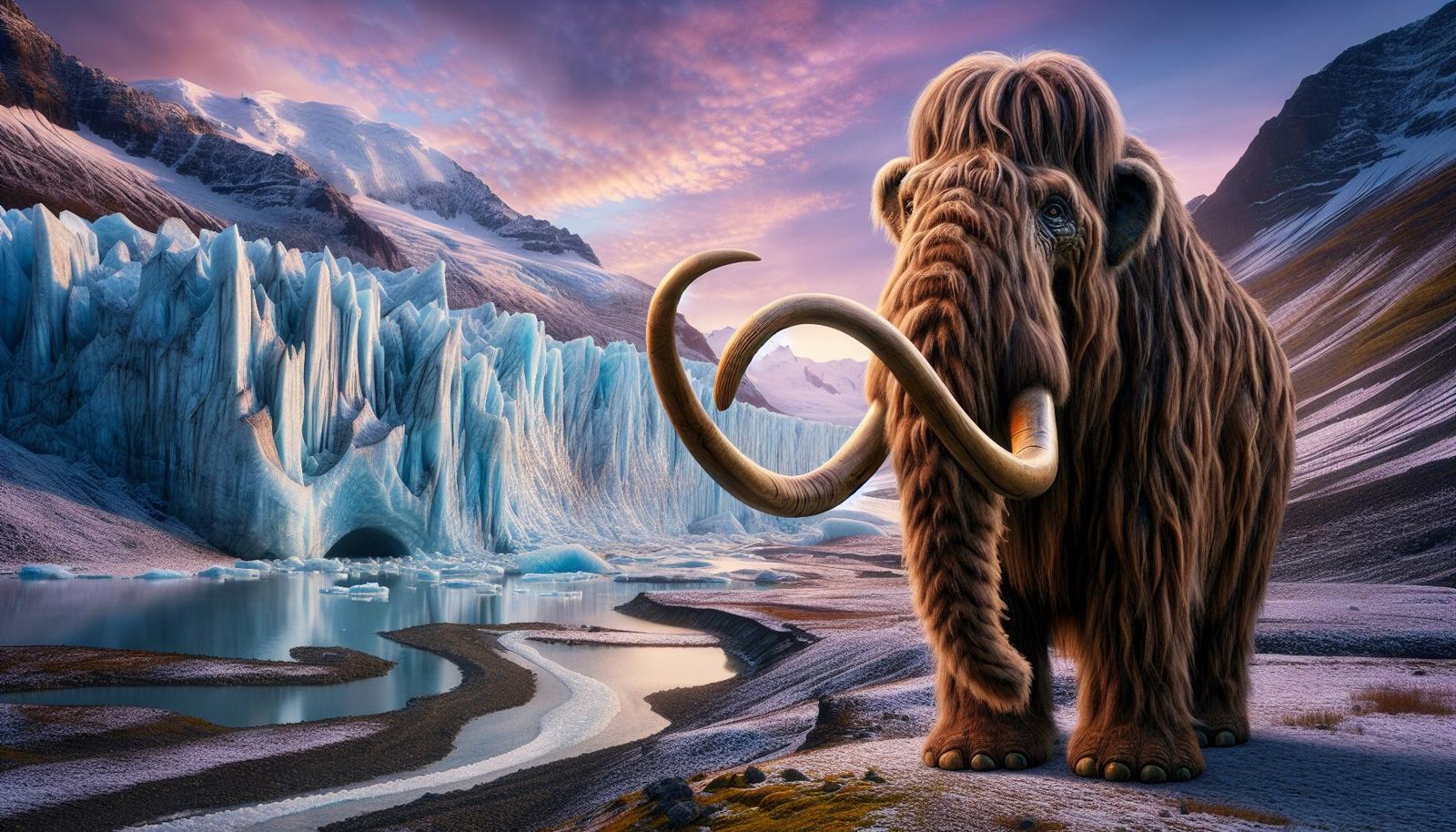
Thanks to the carcass of an animal that died 52 thousand years ago, scientists will be able to understand which genes in mammoths were active and which were not. Permafrost preserved the nuclei in the mammoth's cells almost in their original form. Scientists used the HiC method to decipher the genome. It turned out that mammoths, like elephants, had a set of 28 chromosomes.
The main difference between mammoths and elephants was the inactivity of the EDARADD and EGFR genes, which are responsible for suppressing the growth of wool. Scientists hope that they will be able to find genes that helped mammoths survive the ice age.
Read more on the topic:
The future is already near: Russia is developing polymers that mimic living tissue
Russian scientists will be able to restore the human spinal cord after injury
Never miss our newsAdd this site to your preferred sources to see us more oftenAdd on Google




![Growth Point: After 5G Launch, Mobile Internet in Russia Accelerated by 20%","subtitle":"TelecomDaily recorded an upload speed increase of 19.7%, and download speed of almost 14%","announce":""}[]}],](https://media.ixbt.site/fit-in/320x/ixbt-data/1727896/ai-image-nvgq0a0v5cjnyxwoc8xpelva.webp)