For decades, engineers have been increasing the size of aircraft to lift more cargo and fly further. This has resulted in true giants with record-breaking wingspans, from strategic bombers to space vehicle carriers.
Wingspan directly affects lift and flight efficiency. The larger it is, the better the aircraft stays in the air with high mass. That's why heavy transport aircraft and experimental machines have become record holders.
5th Place — Convair B-36 Peacemaker (USA)
With a wingspan of 70.1 m, the Peacemaker is one of the largest bombers of its time. The missile carrier was equipped with six piston engines and could carry nuclear weapons.
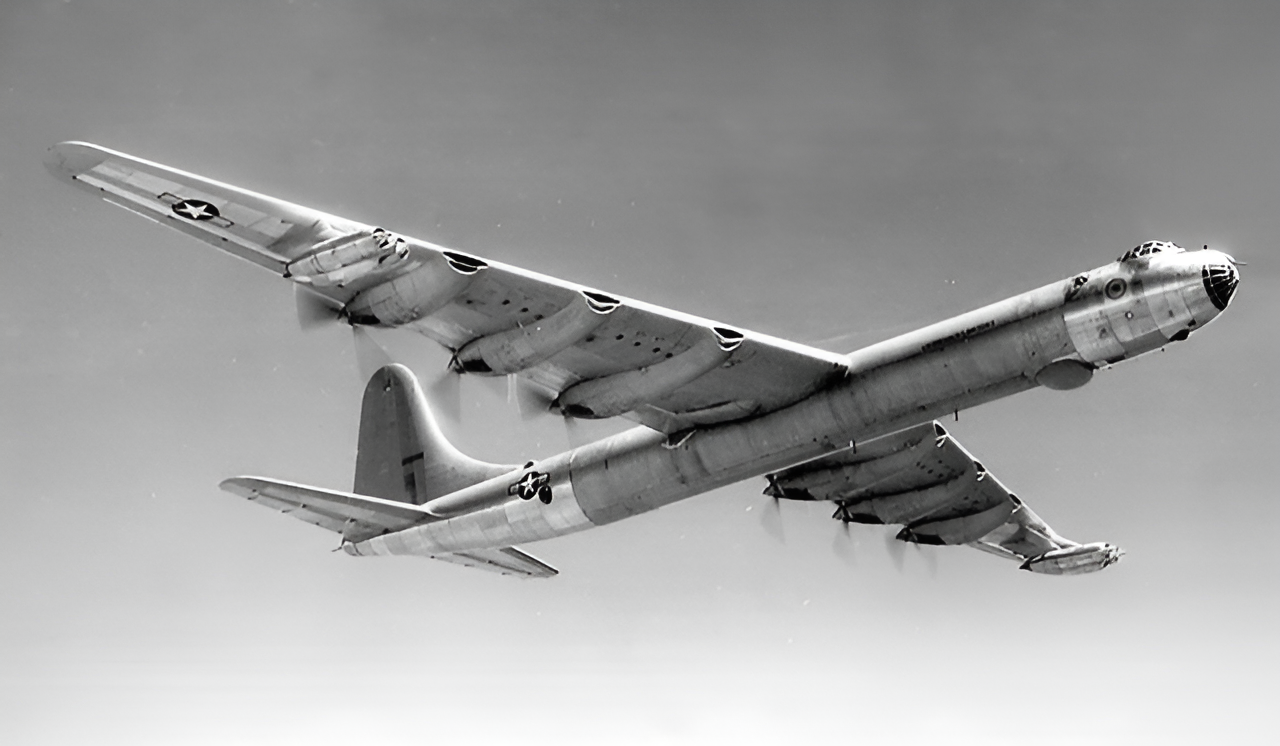
The B-36 was the primary carrier of U.S. nuclear weapons until the advent of the jet-powered B-52 Stratofortress in the mid-1950s.
4th Place — An-124 "Ruslan" (Russia / USSR)
With a wingspan of 73.3 m, the "Ruslan" is the main domestic heavy transport aircraft. It carries up to 150 tons and remains one of the most sought-after cargo aircraft.
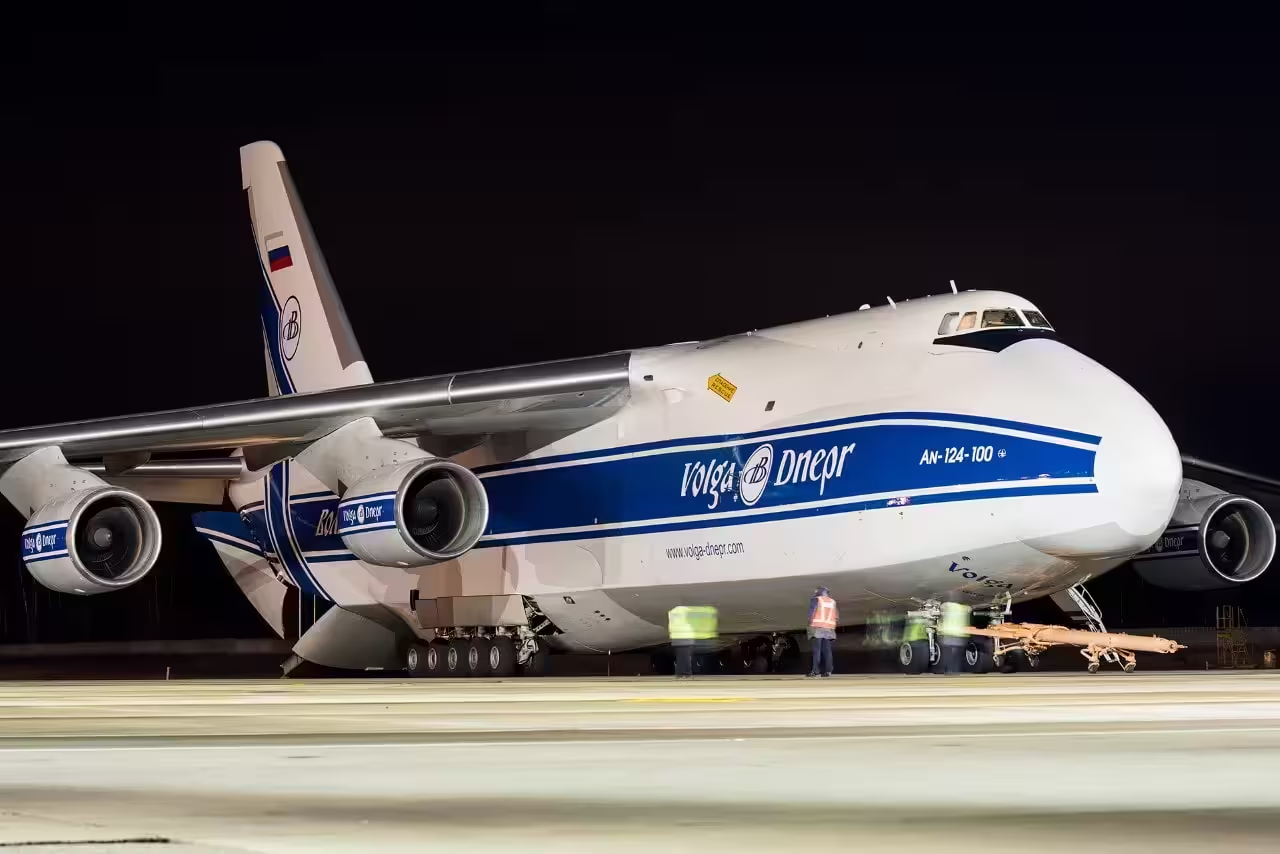
In 1987, the An-124 made a non-stop flight of over 20,000 km along the borders of the USSR, spending more than 25 hours in the air.
Discussions have appeared online about the feasibility of reviving the production of the An-124, but aviation expert Oleg Panteleev explained the futility of this idea.
3rd Place — An-225 "Mriya" (Ukraine / USSR)
The "Mriya" with a wingspan of 88.4 m was created specifically to transport the "Buran" space shuttle on its "back." To prevent airflows from the shuttle from interfering with control, the aircraft was given a twin-tail configuration and added power.
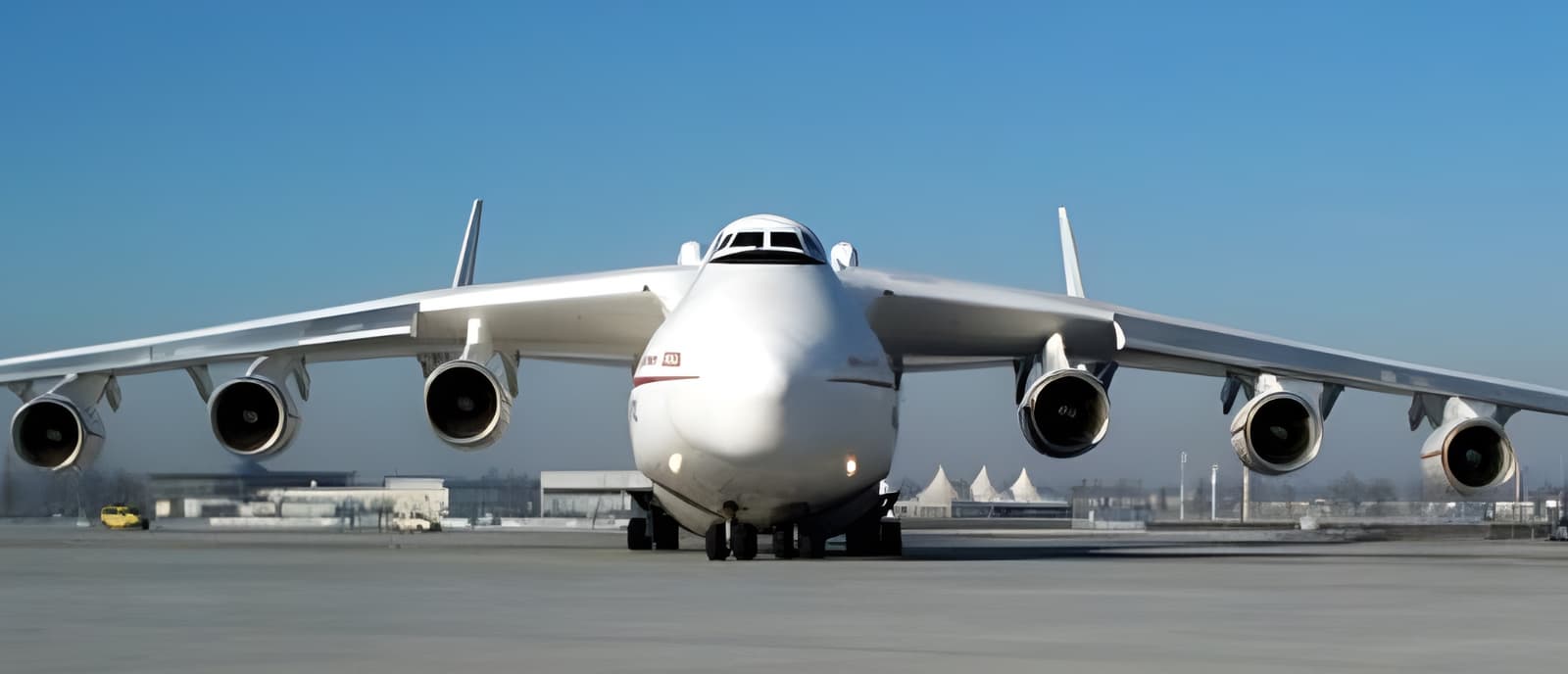
The An-225 is the absolute leader in payload capacity, once carrying 253 tons — an absolute record for the mass of cargo transported. For comparison, it's like lifting five fully loaded subway cars into the air.
2nd Place — Hughes H-4 Hercules (USA)
The famous "Spruce Goose" had a wingspan of 97.5 m. Contrary to its nickname, it is made mostly of birch, not spruce.
There was a shortage of aluminum during World War II, so multi-layer wood technology was used.
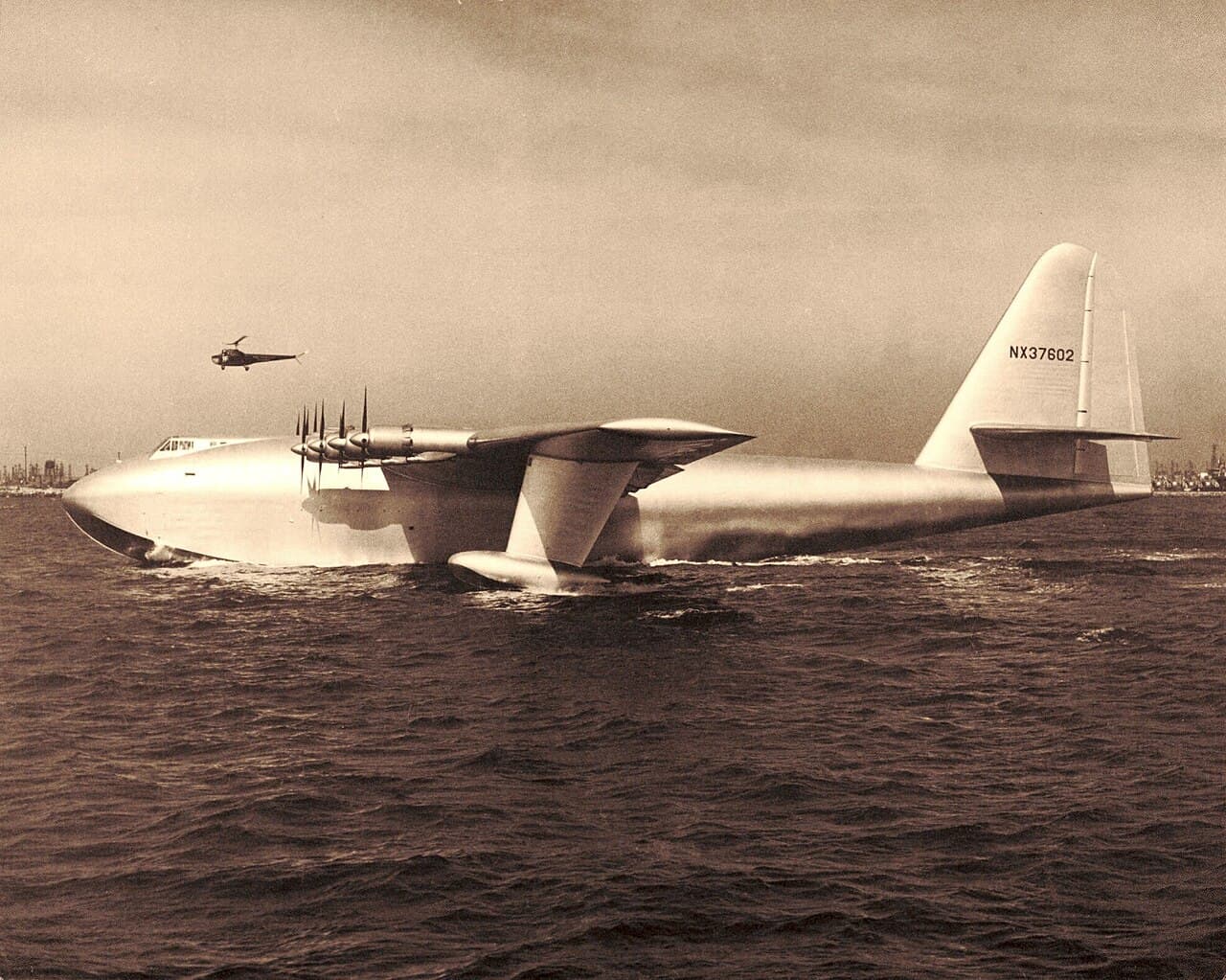
But the transport aircraft only took to the air once, in 1947, flying about 2 kilometers at an altitude of 21 meters.
1st Place — Stratolaunch Roc (USA)
The Stratolaunch Roc became the absolute record holder for wingspan in aviation history — a fantastic 117 m. This twin-fuselage aircraft was created to launch spacecraft from the air.
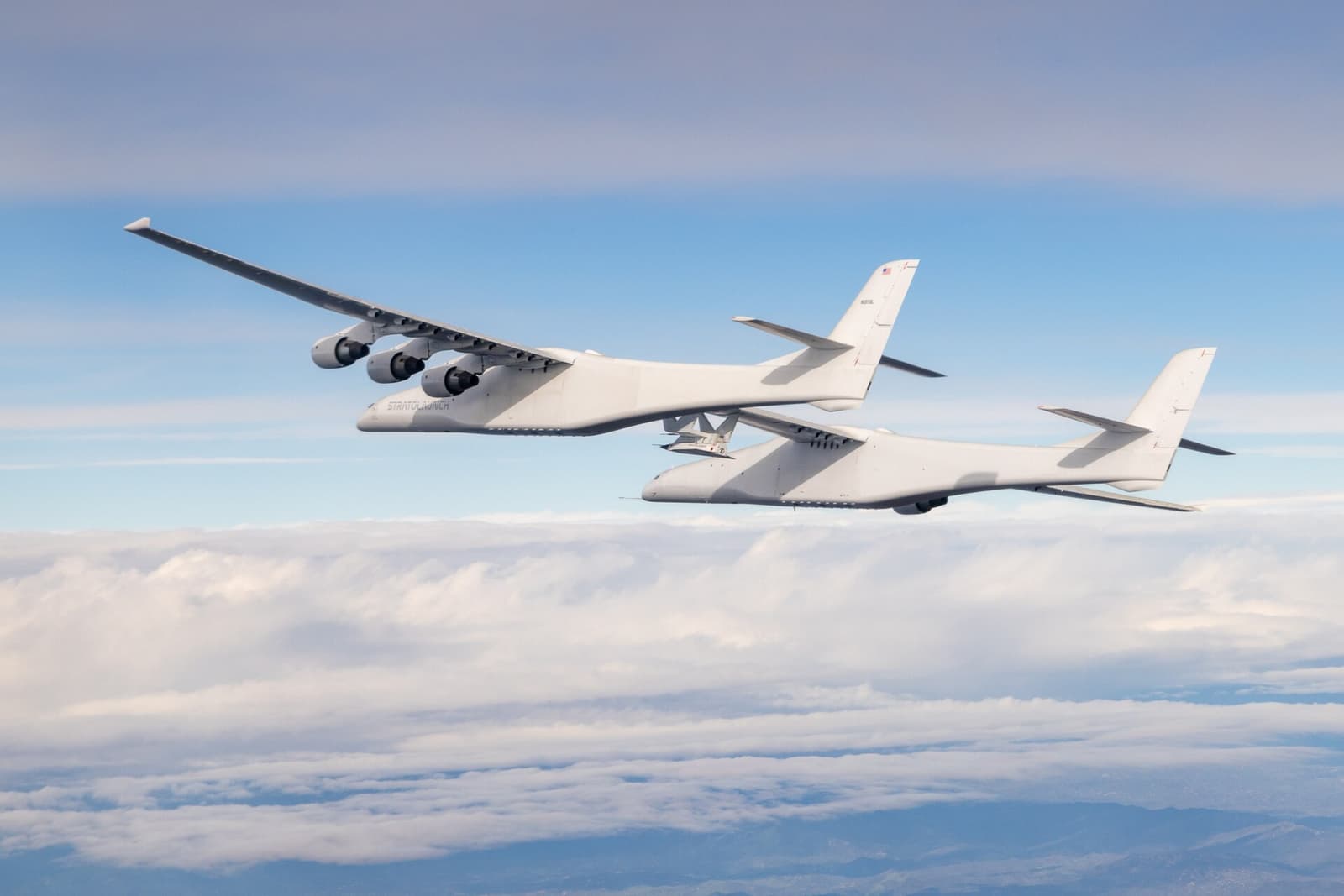
Equipped with six engines from a Boeing 747, it first took to the air in 2019. Today, it is used for testing hypersonic aircraft, opening a new chapter in the development of aviation and space technologies.
The increase in wingspan has been key to the development of heavy aviation and space technologies. These machines have proven that the limits in aviation are constantly shifting with each decade.
Read more on the topic:
Never miss our newsAdd this site to your preferred sources to see us more oftenAdd on Google

















