Translated with AI from the Russian original.
Exactly 30 years ago, on April 2, 1996, the sky over an airfield near Moscow witnessed something special. Test pilot Yevgeny Frolov took to the skies in the experimental Su-37 fighter — a machine that revolutionized the understanding of what a combat aircraft is capable of. This day became a turning point in the history of domestic aviation, although the aircraft itself never went into mass production.
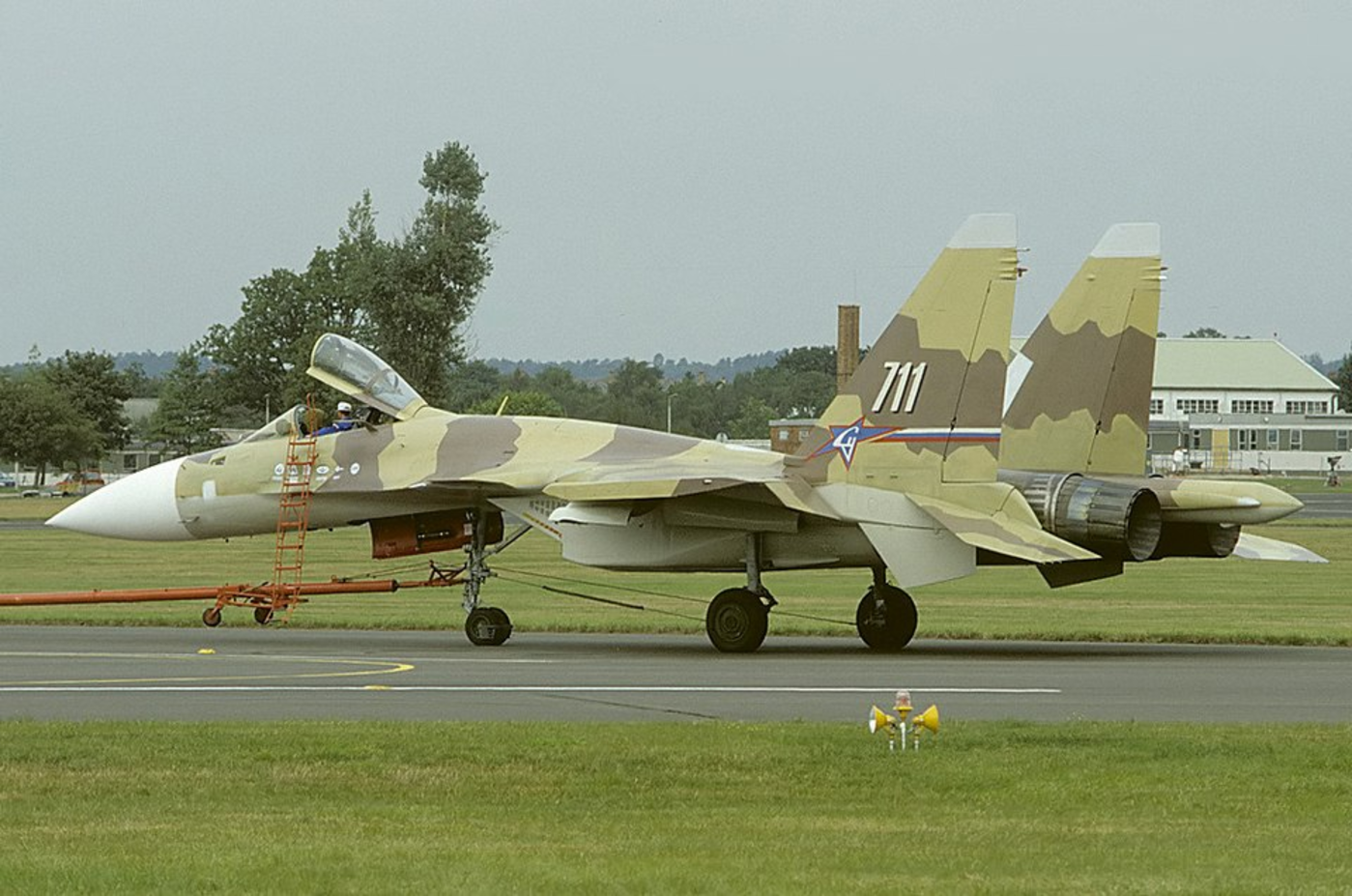
The Su-37 did not appear out of nowhere. Its creation was the responsibility of a team of designers who took the Su-27M fighter as a basis. The single copy with tail number 711 was conceived as a demonstrator of advanced technologies. The engineers seriously refined the airframe: they introduced new aluminum-lithium alloys, increased the proportion of composite materials, and gave the wing a greater thickness — this allowed them to place more fuel without compromising maneuverability.
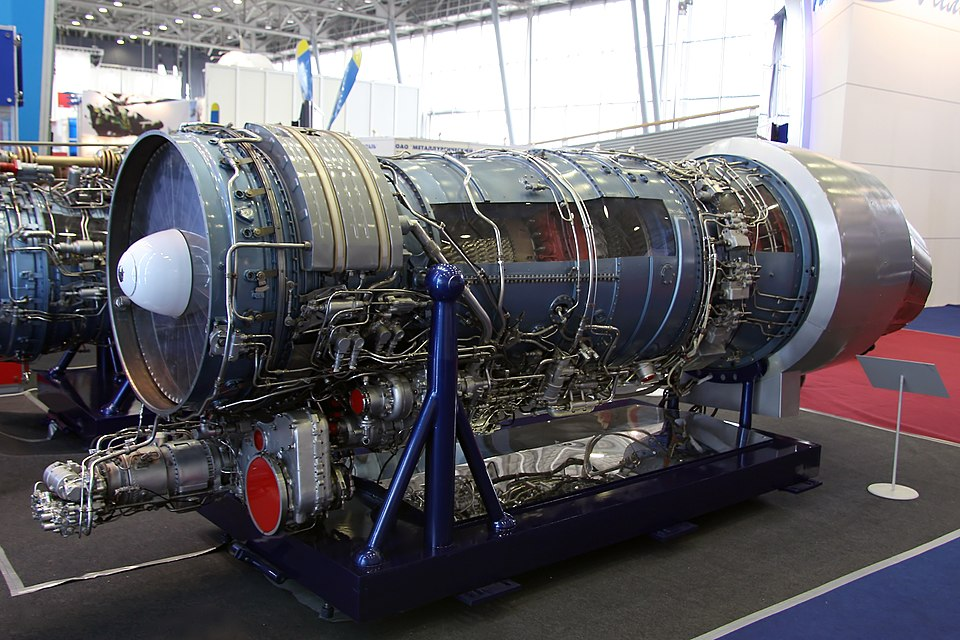
But the main breakthrough was the power plant. The aircraft was equipped with two AL-31FP engines with thrust vector control. Thanks to this, the heavy twenty-ton machine gained amazing lightness and could perform maneuvers that were previously considered possible only for light fighters.
The designers had to solve a complex problem — to create a swiveling nozzle that deflects 15 degrees up and down, while excluding the breakthrough of hot gases. Domestic specialists coped with this challenge.
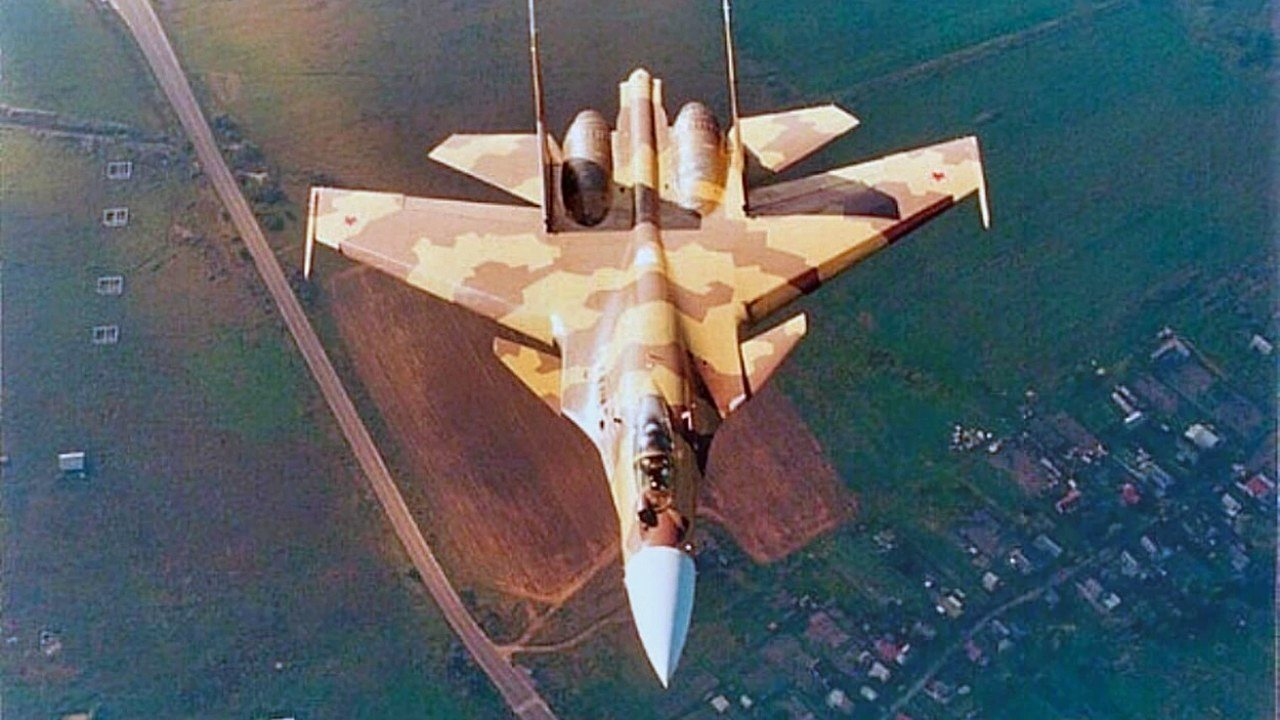
The aerodynamics of the machine were also redesigned. A front horizontal tail was added to the classic scheme — small "wings" in the nose. They helped the aircraft stay confidently in the air at high angles of attack and at low altitudes. No less serious changes took place in the cockpit: instead of the central control stick, a side joystick appeared, like on the American F-16, and four color multi-function displays and a wide-angle indicator on the windshield were installed in front of the pilot.
The world premiere of the Su-37 took place in the summer of 1996 at the Le Bourget air show. The aircraft with white tail number 711 arrived on the sixth day of the exhibition, but had the effect of a bombshell. Many delegations even postponed their departure to see the "Russian miracle". What Yevgeny Frolov showed in the sky over Paris was remembered by the audience for a long time: a 360-degree turn in the plane of symmetry, called the "Frolov Chakra", a "Cobra" with angles of attack up to 180 degrees, when the plane flies tail forward, and a forced combat turn in less than ten seconds.
Super-maneuverability was just the tip of the iceberg. The radar station with a phased array antenna could simultaneously track up to twenty targets and guide missiles to eight of them. The target was selected by turning the pilot's head thanks to the helmet-mounted sight. The electronics themselves controlled the thrust vector — the pilot did not need to touch a separate lever.
The machine's armament was also impressive: twelve suspension points with a total load of about eight tons. The built-in GSH-30-1 cannon was complemented by the entire spectrum of air-to-air guided missiles, and the use of Kh-29, Kh-31, Kh-59 missiles and guided bombs was provided for strikes against ground and sea targets.
Despite the brilliant demonstrations, the program did not continue. On December 19, 2002, the only Su-37 crashed in a test flight near Moscow. By that time, the machine no longer had engines with thrust vector control — they were dismantled to test other systems. Test pilot Yuri Vashchuk successfully ejected, but the plane was lost.
Despite the sad ending, the Su-37 lived a bright life and died doing its job. Its legacy continues to serve in the sky.
Read more on the topic:
Never miss our newsAdd this site to your preferred sources to see us more oftenAdd on Google

















