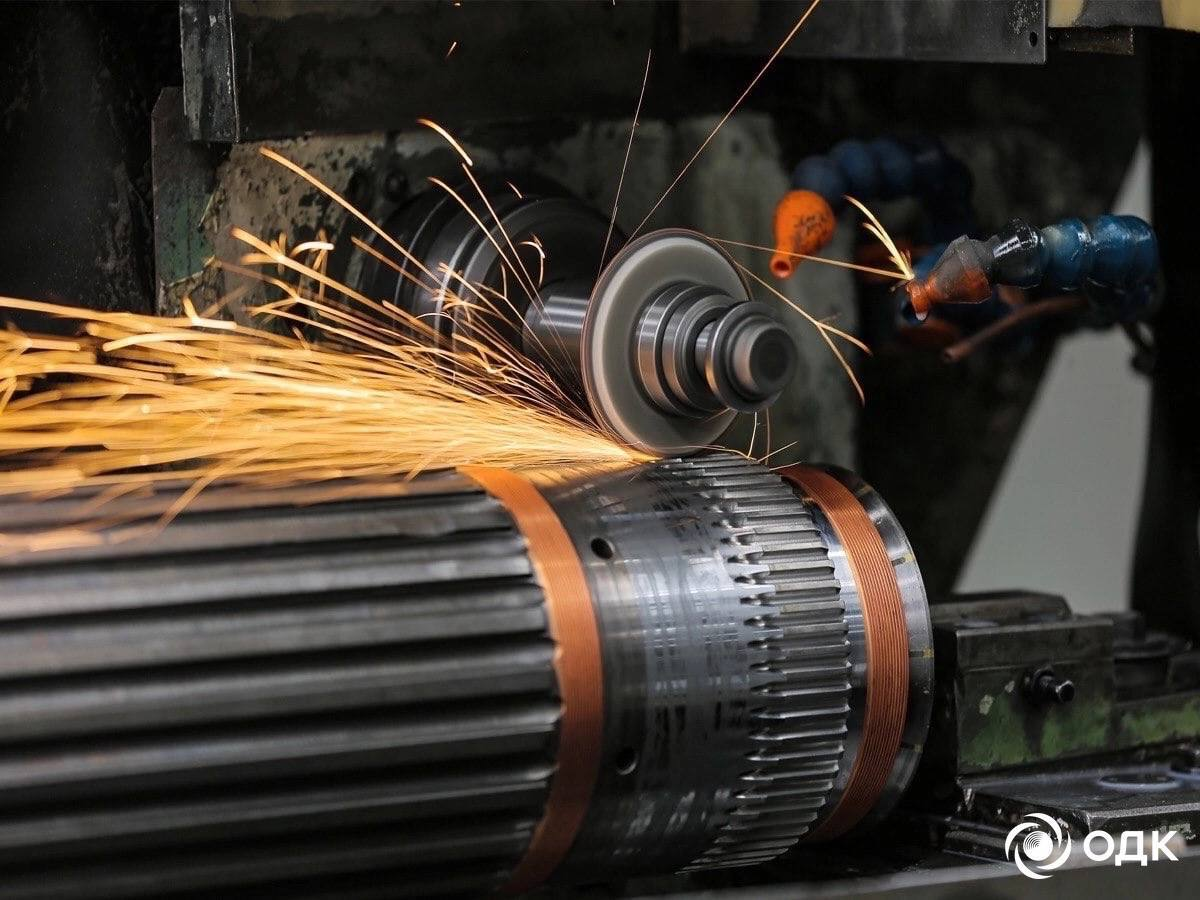
A modern gas turbine engine is striking in its axial symmetry. However, at the center of this geometric harmony lies a component without which energy transfer is simply impossible — the shaft. Specialists from the United Engine Corporation (ODK) shared details on how these critical parts are designed and why the "shaft within a shaft" scheme is often used in powerful units.
Why is one shaft not enough?
At first glance, complicating the design may seem excessive. Engines are indeed divided into single-shaft and multi-shaft types. However, as ODK engineers explained, the "shaft within a shaft" design is quite common in serious aviation and industrial installations. The reason lies in gas dynamics.
Compressor and turbine rotors operating at different pressures require different rotational speeds. The gas flow dictates its own conditions: for each unit to deliver maximum efficiency, it must rotate independently of others. That is why, in high-power engines, designers provide up to three separate shafts. This allows each rotor to operate in its optimal mode.
Extreme Loads and Jewelry Precision
Experts compare the conditions in which the shaft operates to an extreme sport that never stops for a second. The part experiences:
- highest revolutions;
- critical temperatures;
- colossal torques;
- constant threat of high-frequency vibrations.
ODK designers face a difficult task: to make the shaft as light as possible, but at the same time absolutely reliable. Axial and radial loads create stresses that require jewelry precision during processing and perfect balancing. Any error here is unacceptable.
Control of Every Gram of Steel
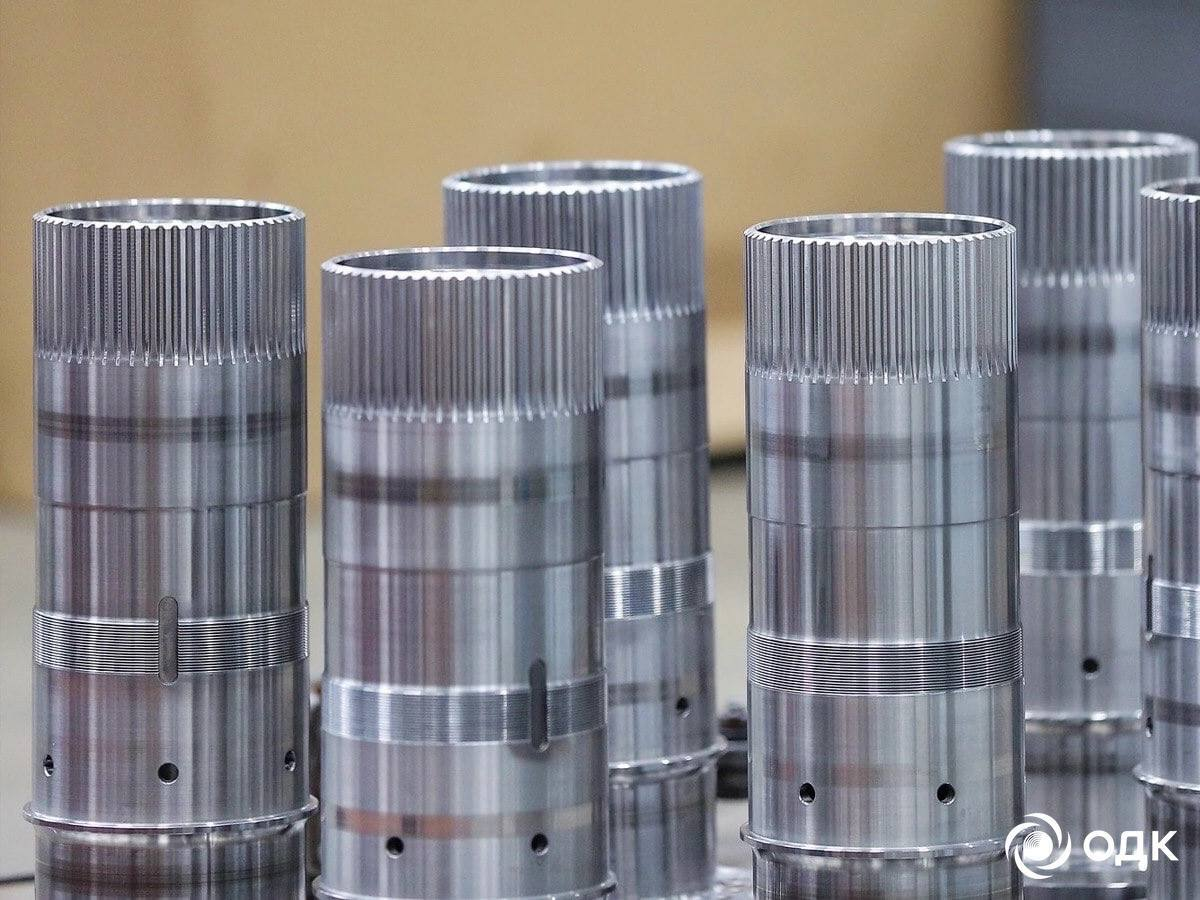
High-quality alloy steels are used for the production of shafts. But the corporation emphasizes that even the best alloy does not guarantee success on its own. The industry operates under the rule of total incoming inspection. The metal is checked for each specific instance of the part to exclude any hidden defects.
ODK reminds that the gas turbine engine shaft is not just a metal rod. It is the foundation on which all the power of the unit is strung. The operation of the entire mechanism depends on its integrity, so its creation is approached with particular care.
Read more materials on the topic:
- General Designer of ODK-Klimov Announces the Reliability of the VK-1600V Engine for Ka-62
- ODK Engineers Allowed Iskra to Burn After a Claim for 274 Million Rubles
- ODK Announced the Result of Freezing TV7-117ST-01 Turboprop Engines
Never miss our newsAdd this site to your preferred sources to see us more oftenAdd on Google

















