Aircraft can serve for a long time - in some cases, even up to a hundred years. But they are decommissioned earlier for two reasons. Firstly, safety. Currently, air transport is considered the safest mode of transportation, surpassing even railways. This is largely due to the fact that the aircraft fleet is regularly updated. Secondly, comfort and appearance. Old aircraft lack amenities and do not look as attractive as new models.
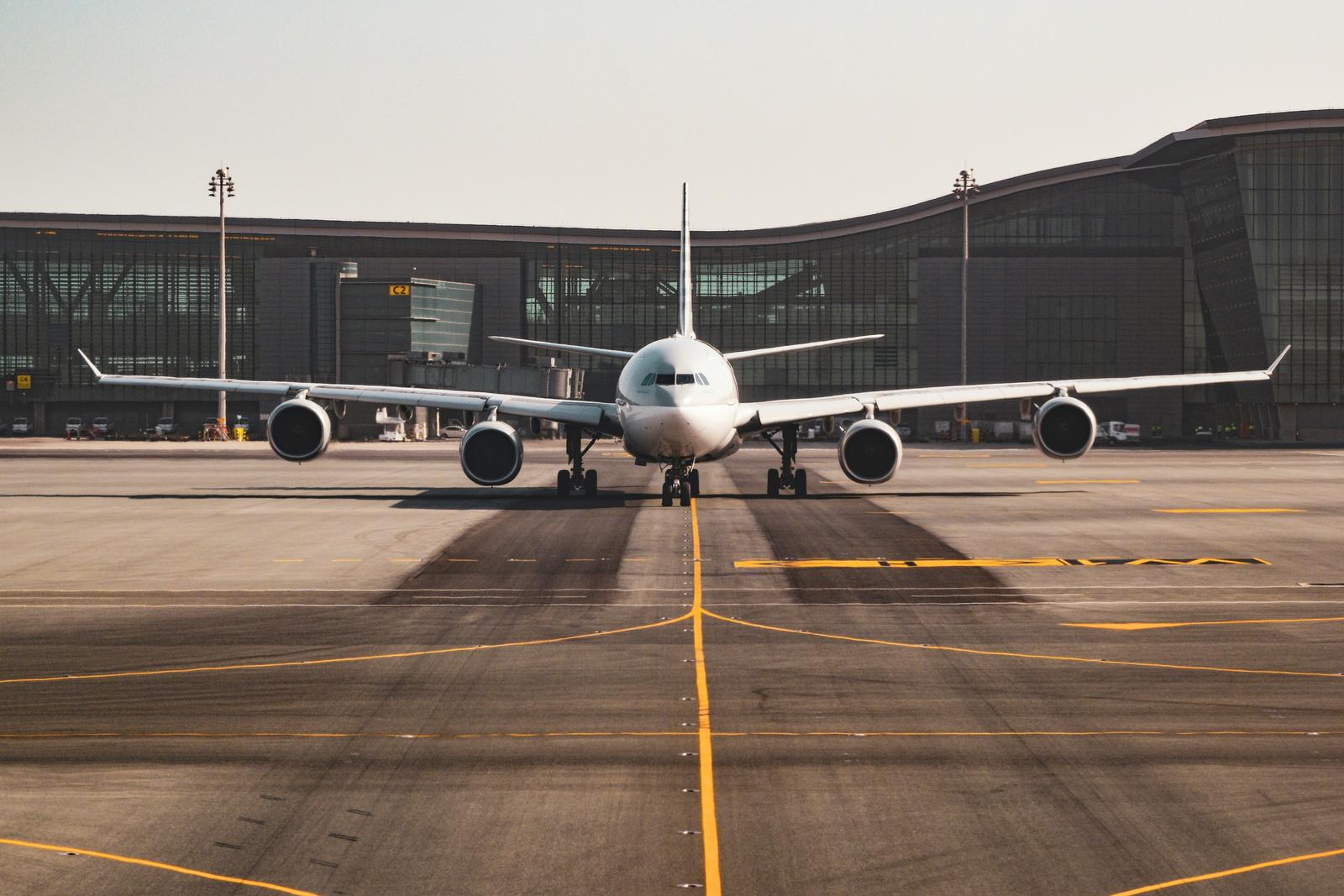
Where do the planes go?
When airlines decide to decommission an aircraft, they look at how much it costs. For example, modern Airbus A350 and Boeing 787 consume 25-30% less fuel compared to older models. This makes their operation more profitable. In addition, aircraft require more and more money for maintenance as they age. After 15 years of operation, they require frequent inspections every 5-7 years, and spare parts for them are increasingly difficult to find, as their production may cease.

Decommissioned aircraft undergo four main disposal paths.
Send to the desert
Preservation and storage of aircraft at special airfields located in deserts is a way to protect them from corrosion. During the pandemic, more than 1,000 aircraft temporarily withdrawn from service were placed in such locations.
The most well-known preservation and storage locations are Mojave in the USA, Teruel in Spain, and Alice Springs in Australia. However, these are not the only such airfields.
Use for spare parts
The annual market volume for spare parts for secondary use is about 6 billion dollars. The most sought-after are engines, avionics, lighting systems, interior elements, and portholes.
Scrap for metal
One airliner can contain up to 30 tons of valuable metals, including titanium. Therefore, when the resource of parts that can be sold on the secondary market ends, the aircraft "goes under the knife."
Give a second life
A passenger aircraft can be converted into a cargo aircraft. During the transformation, the windows are closed, cargo doors are installed, and the passenger cabin is transformed into a full-fledged cargo compartment.
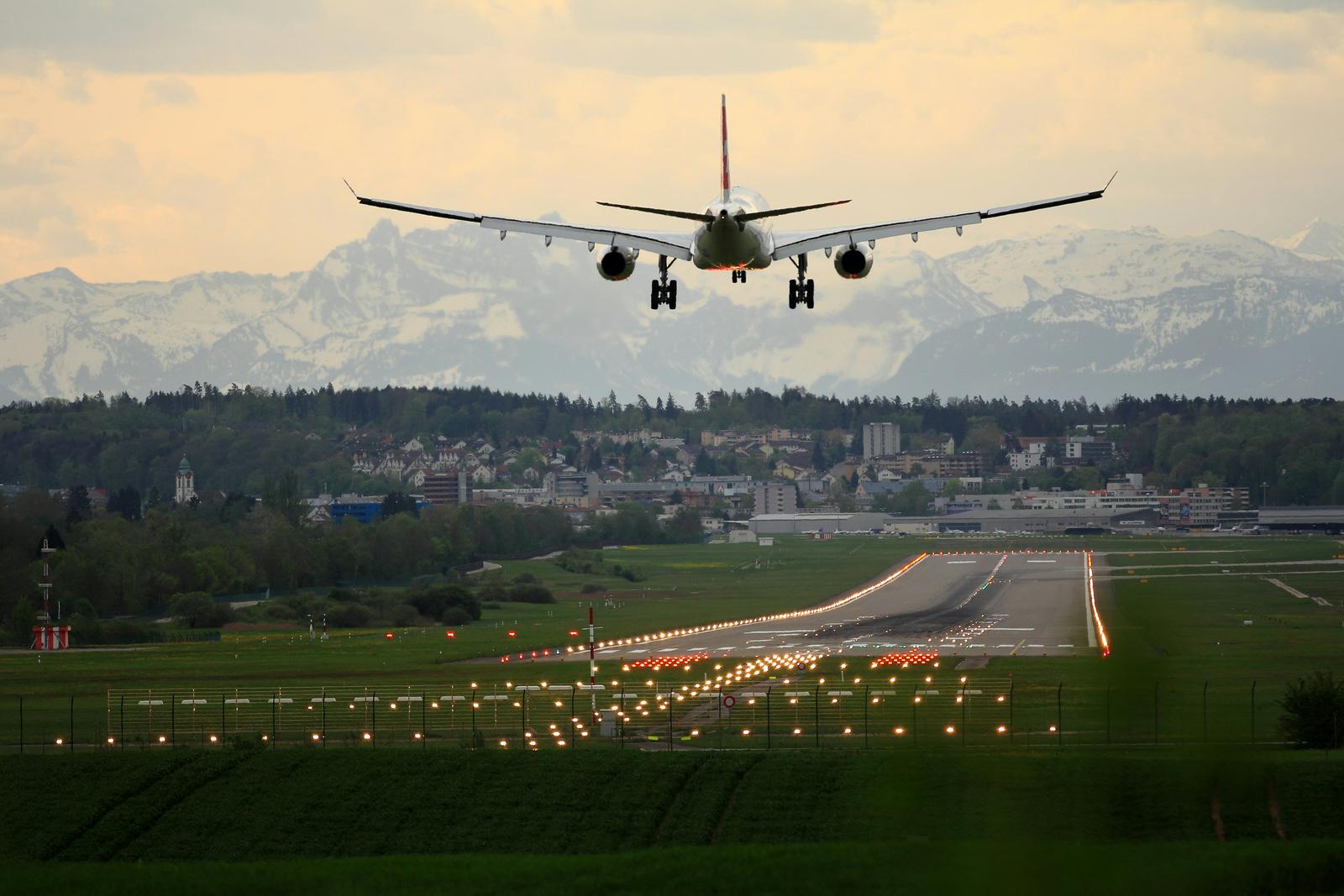
The process of recycling old aircraft is important not only from an economic but also from an environmental point of view. Therefore, all the above scenarios involve hundreds of enterprises around the world, creating an entire sub-industry of the aviation industry.
There are different points of view about the future of the MiG-35 fighter. Some argue that it will be adopted into service, others talk about the possibility of its export, and some believe that the aircraft is unpromising.www1.ru figured out what this machine is andwhether it has a future.
Read materials on the topic:
Falling behind the F-16 and Rafale: Western analysts called the Russian MiG-35 a "complete failure"
Revolutionary approach: UAC has increased the reliability of aircraft parts using bionic design
Rostec has begun developing a replacement for fighter aviation pilots with artificial intelligence
Parts for aircraft engines in Russia began to be produced from powder
Never miss our newsAdd this site to your preferred sources to see us more oftenAdd on Google