Translated with AI from the Russian original.
Specialists from NPO Energomash (part of Roscosmos), together with colleagues from Kompozit, SPbGMTU, and VIAM Institute, have created the RD-191MR rocket engine using additive technologies. This was reported to Vedomosti by the St. Petersburg State Marine Technical University.
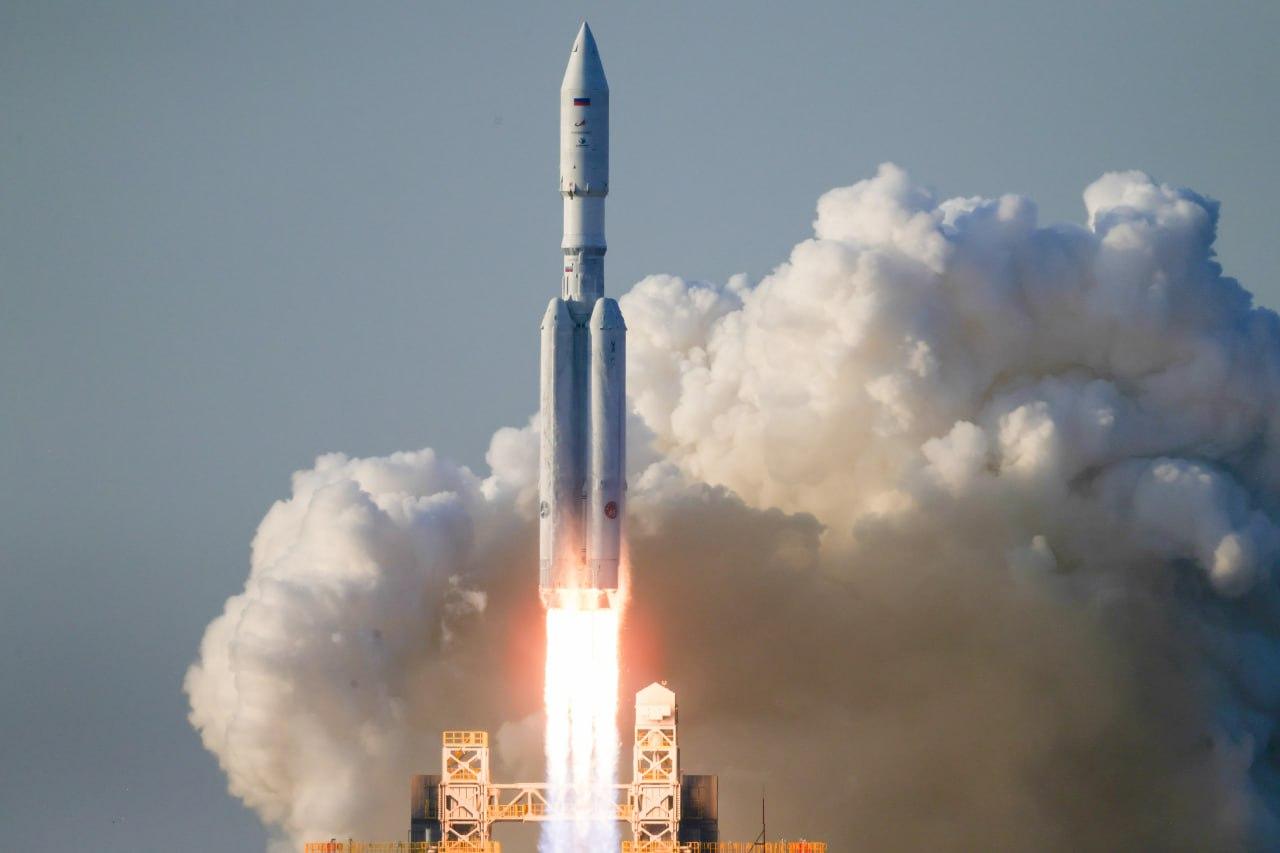
The 200-ton thrust engine is designed for the modernized Angara launch vehicle. Direct laser deposition and selective laser sintering were used in its production. The product has already passed a series of firing tests.
The components of the product were grown not as a single module, but in parts. This approach allowed us to take into account the differences in the properties of individual elements. Additive technologies made it possible to use new materials: for example, heat-resistant nickel alloys of domestic design.
Additive methods allow reducing the time and cost of production by 2.5 times compared to traditional technologies. Labor costs for individual units are reduced by 25%, and in the future, the cost of a liquid rocket engine may fall by 40%, noted in SPbGMTU.
The last launch of the Angara family of launch vehicles took place in November 2025. The Angara-1.2 was launched from the Plesetsk cosmodrome, the first stage of which uses a universal rocket module similar to those used on the heavy Angara-A5.
Read more materials on the topic:
- Uralkriomash completed the second stage of Vostochny: refueling and cooling systems for Angara-A5 are ready
- The heavy-class Angara-A5M rocket will be equipped with an oxygen-hydrogen upper stage
- Roscosmos will move the production of Angara strategic missiles from Moscow
Never miss our newsAdd this site to your preferred sources to see us more oftenAdd on Google

















