Translated with AI from the Russian original.
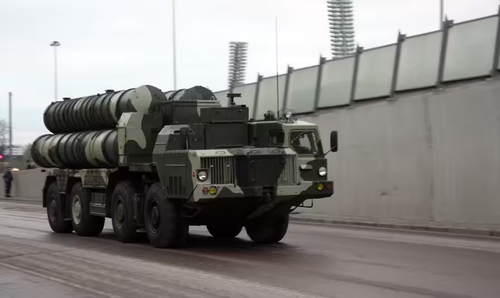
S-300 anti-aircraft missile systems (SAM) in service with the Iranian army are a key tool for controlling the country's airspace. These systems provide interception, as well as strikes against ground and sea targets in the Middle East region.
"Pervyi Tekhnicheskiy" recalled what other domestic air defense systems are currently in service with the Islamic Republic.
Historical Deliveries of S-300
In the past, Russia supplied Iran with S-300PMU-1 systems capable of operating at medium and long ranges. This contract was signed back in 2007, and deliveries were completed by the mid-2010s.
S-300s are capable of intercepting aircraft, cruise missiles, and warheads at ranges up to ~200 km.
Tor-M1 Systems Deep in History
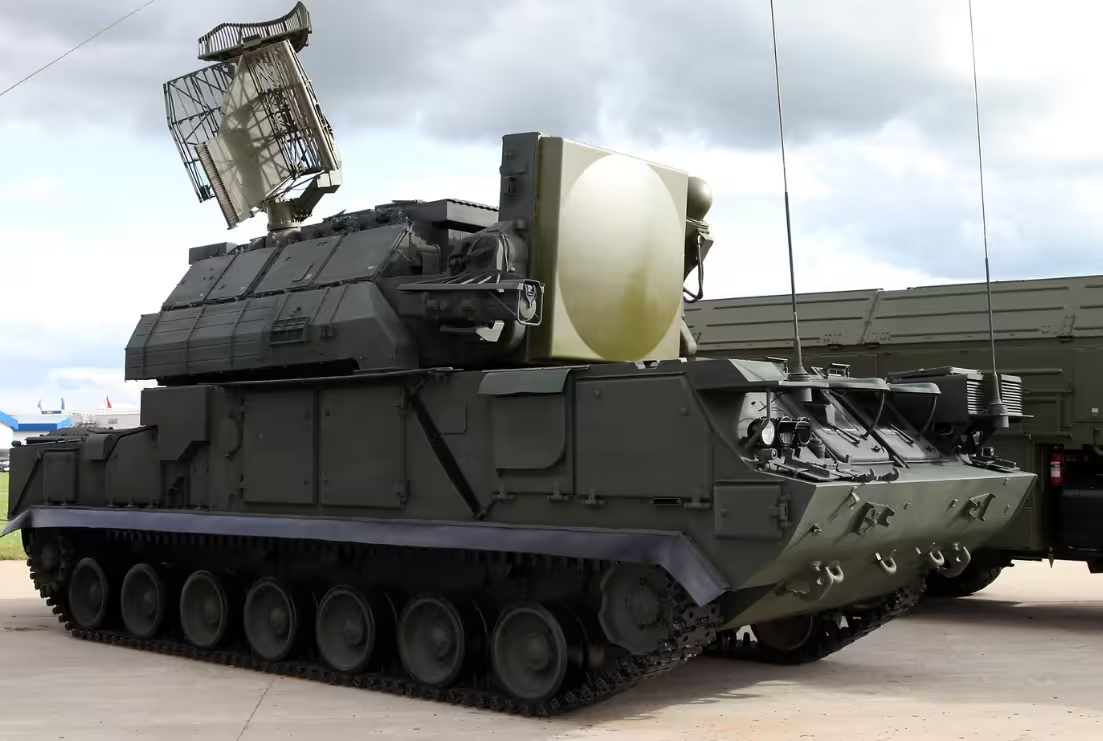
Back in the mid-2000s, Russia and Iran agreed to supply the Tor-M1 SAM system. These short-range systems operate at altitudes up to 10 km and distances up to 12 km, protecting troops and facilities from low-flying targets.
New Contract for Verba MANPADS
The media reported that Iran and Russia in December 2025 signed a secret agreement for the supply of 9K333 Verba man-portable air defense systems (MANPADS). Under the terms of the deal, the Russian Federation planned to supply Tehran with 500 launchers and 2500 9M336 missiles in three stages from 2027 to 2029, and some of the equipment could arrive in Iran as early as now.
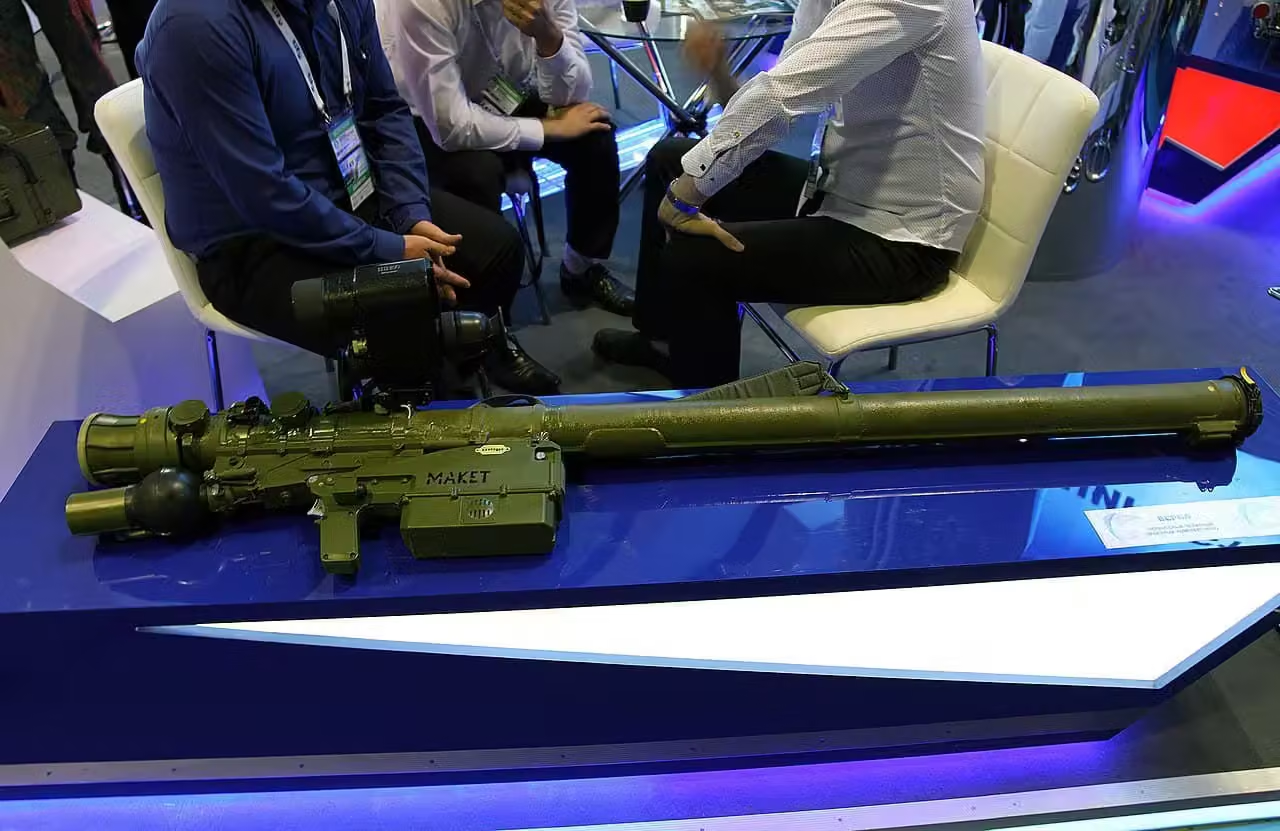
Verba is a modern, short-range man-portable air defense system. It is designed to engage aircraft, helicopters, drones, and cruise missiles flying at low altitudes. This system is widely used by the Russian military and stands out for its high mobility and thermal homing missile capability.
What the Warm Conversations Are About
Despite talks about the possible sale of more advanced systems such as the S-400 Triumf to Iran, official confirmations of such deliveries have not been published by domestic or Iranian agencies.
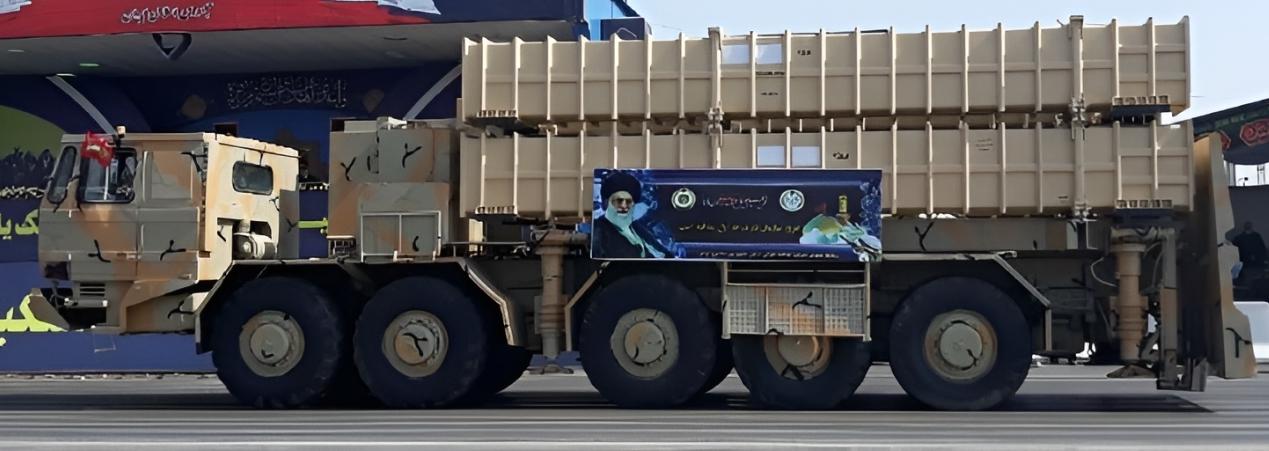
For a long time, Iran itself has been developing its own systems like Bavar-373, which partially replaced the need for new Russian long-range systems.
In February 2026, reports emerged that China had transferred several YLC-8B strategic radars to Iran to detect F-35 fighters and B-2 bombers.
Read More on This Topic:
- Three An-124 Ruslan military transport aircraft delivered unknown cargo to Iran
- Iran unveils modernized An-140 Simorgh aircraft for testing
- Iran rethinks Yak-130 and equips the aircraft with an air-to-air missile system
Never miss our newsAdd this site to your preferred sources to see us more oftenAdd on Google

















