Scientists from the company "Ekran FEP" and the Institute of Nuclear Physics of the Siberian Branch of the Russian Academy of Sciences have developed a new-generation photodetection module. The device is capable of "catching" a single particle of light and accurately determining where and when it appeared. This opens up new possibilities, from fundamental physics to medicine.
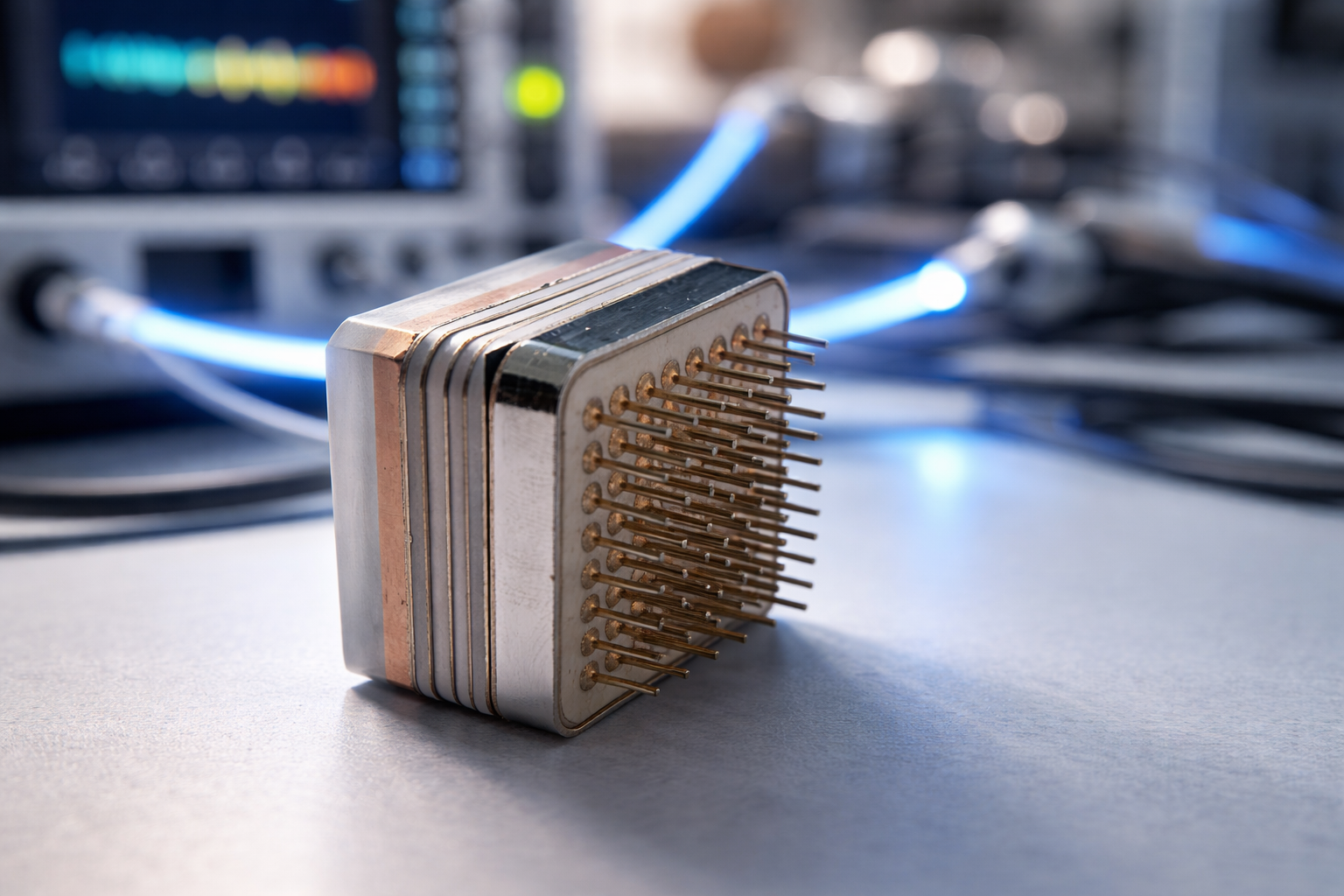
At the core of the module is a position-sensitive photomultiplier tube. It amplifies weak light fluxes millions of times and converts them into a clear electrical signal.
Aleksandr Demin, founder of "Ekran FEP," explained that the project is aimed at achieving the ultimate parameters required for the study of fundamental physics.
We need to ensure maximum amplification so that the instruments do not degrade over years under the operating conditions of a large accelerator. Moreover, for some tasks, time resolution is required — we must distinguish events occurring within tens of picoseconds. These are trillionths of a second. We are targeting the world’s very top solutions.
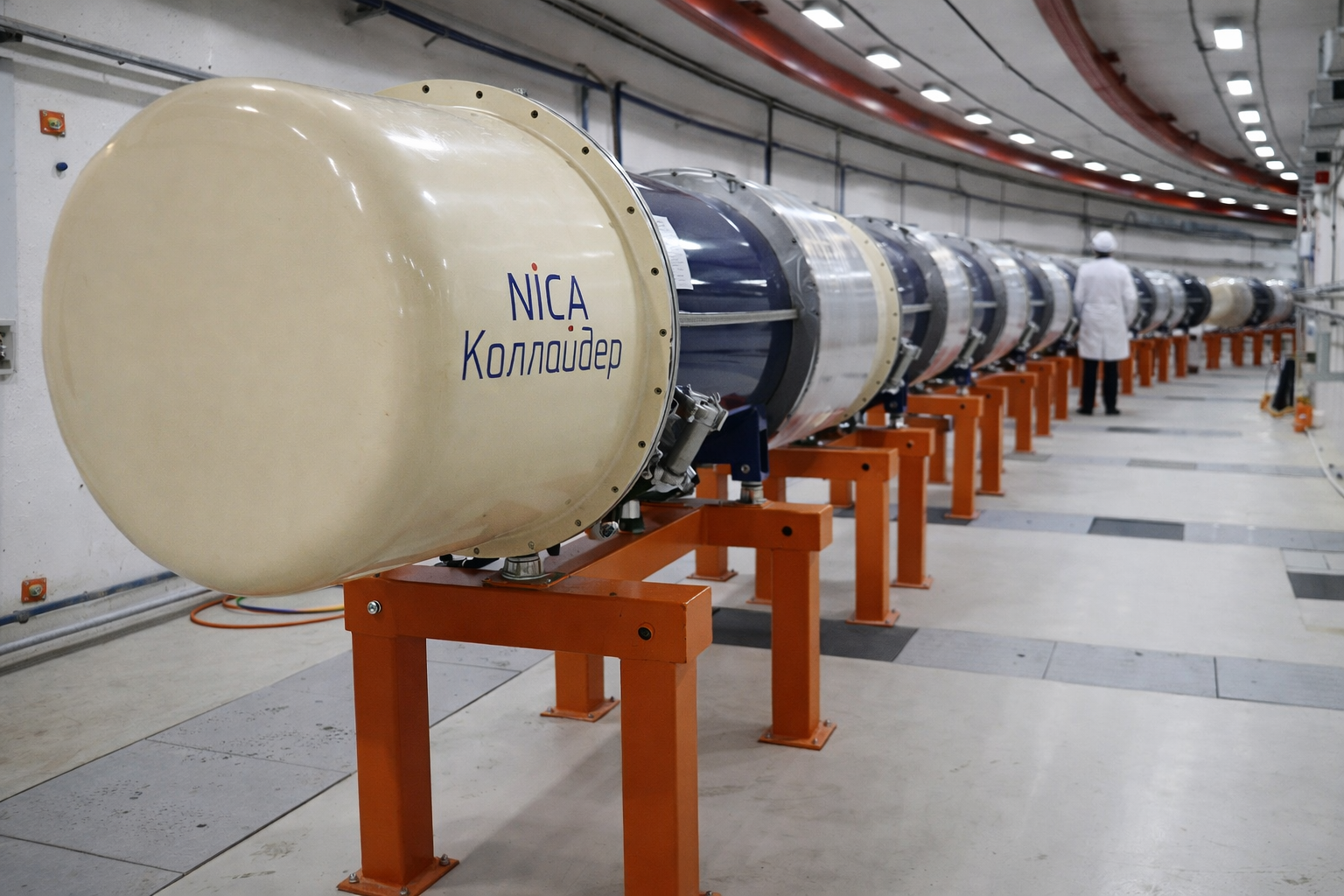
By 2027, engineers and scientists plan to create a full-fledged photodetection module with complete supporting electronics. It is expected to become a key element for the second stage of the NICA collider in Dubna by 2030.
The technology can be used not only in physics, the scientists added. In the future, it may transform nuclear medicine by improving diagnostic quality and reducing radiation exposure for the patient.
Read more on the topic:
Never miss our newsAdd this site to your preferred sources to see us more oftenAdd on Google

















