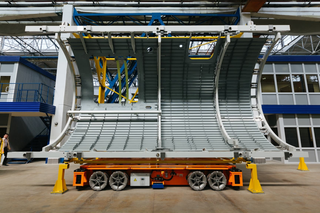
In Dubna, the NICA accelerator complex reached its design parameters for the first time: scientists launched counter beams of xenon nuclei, synchronized them at the detector point, and recorded 2.75 billion events—5 times more than last time. The work was carried out by specialists from the Joint Institute for Nuclear Research with the support of Russian and foreign partners.
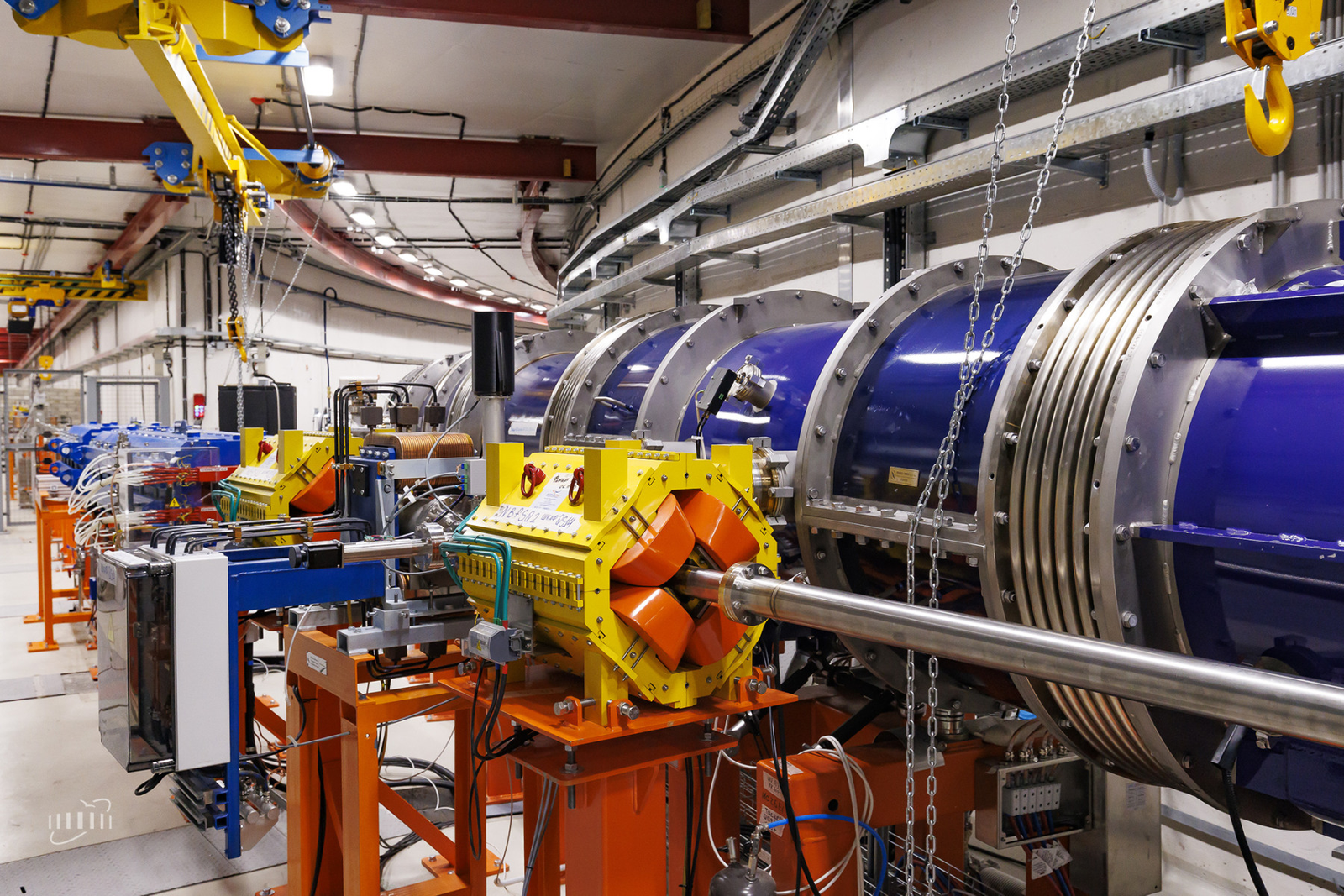
The cryogenic system and magnets reached their design modes, which made it possible to simultaneously cool all the key elements of the accelerator. After the injector was upgraded, the beam intensity increased by a factor of 7, and the beam lifetime in the ring reached an hour—this means that the installation is stable and ready for new experiments.
The BM@N detector collected an unprecedented amount of data at different beam energies during the spring session. This information will help physicists study the properties of nuclear matter and look for answers to questions about the structure of the Universe in the early stages of its development.
In parallel, applied research was carried out at NICA: biological samples, materials for microelectronics, and medical phantoms were irradiated. The results will be useful in radiation biology, the development of new materials, and the testing of electronics for extreme conditions.
The next session is scheduled for autumn 2026: the collider should provide collisions of beams with higher energy, and the MPD detector will begin recording events. Scientists will continue the BM@N program and applied research within the framework of the international ARIADNA project.
Read more on the topic:
Never miss our newsAdd this site to your preferred sources to see us more oftenAdd on Google