Nornickel has presented a working prototype of a lithium-sulfur battery for electric vehicles with the addition of palladium and plans to bring the technology to a competitive level in three years. The development was announced by the company's Vice President for Innovation, Vitaly Busko.
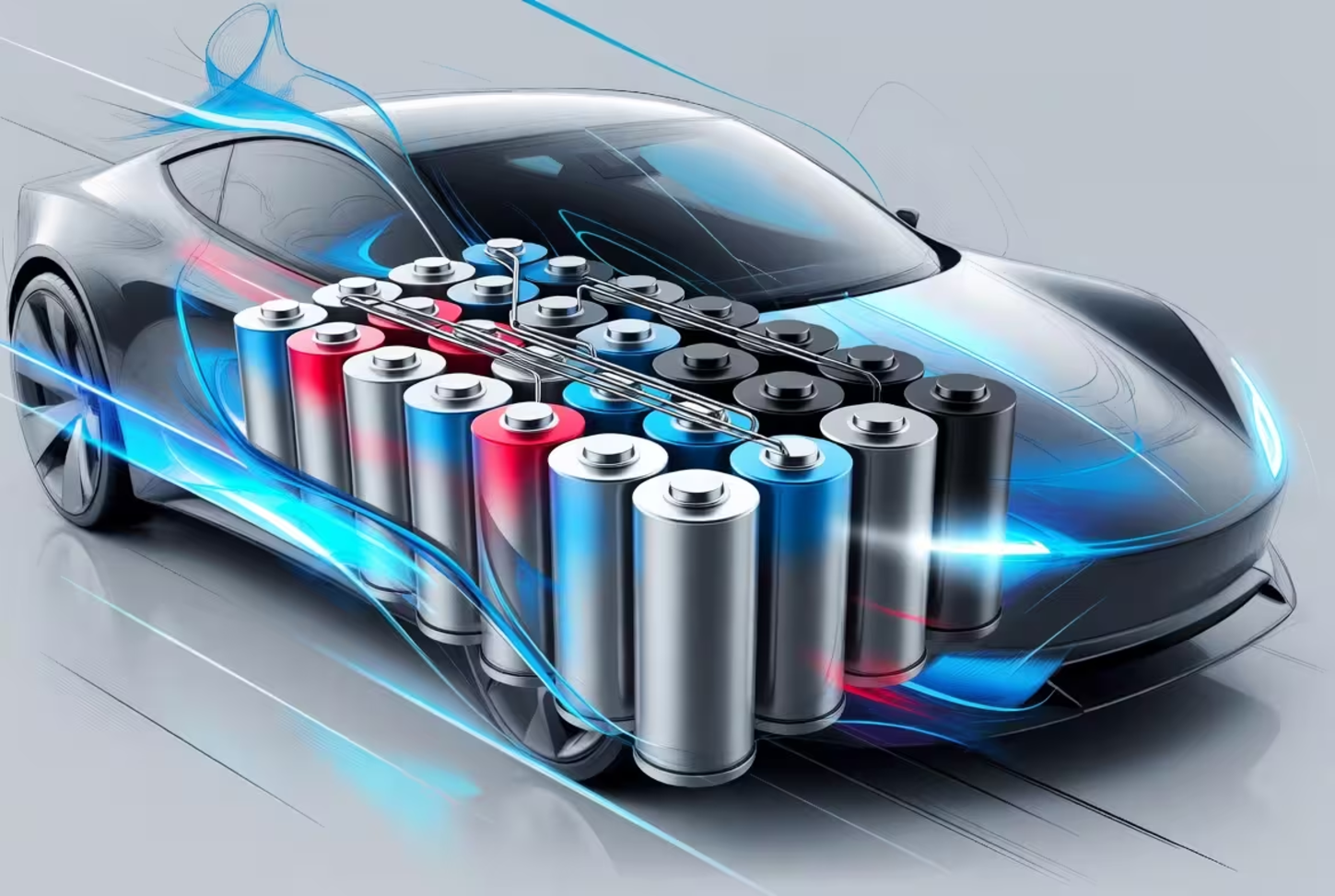
Currently, the laboratory sample can withstand about 300 charge-discharge cycles, while the mass market requires at least 1000 cycles. The current research is aimed at overcoming this gap. The company notes that lithium-sulfur chemistry looks promising due to its low cost, but the short service life hinders its commercialization.
Palladium acts as a catalyst: it binds active sulfur compounds and suppresses unwanted processes. Thanks to the unique properties of the metal, it is possible to stabilize the electrolyte and extend the battery life.
The Nornickel team is developing a complex of palladium-based catalysts that should eliminate the main weakness of lithium-sulfur systems. If experiments confirm the effectiveness, this will open a new large market for palladium outside of autocatalysts and electronics.
Lithium-sulfur batteries are theoretically capable of storing more energy per unit mass than common lithium-ion counterparts, while their production is cheaper. However, without sulfur stabilization, such batteries degrade quickly. The addition of palladium is an attempt to preserve the advantages of chemistry and remove its disadvantages.
Read more on the topic:
Never miss our newsAdd this site to your preferred sources to see us more oftenAdd on Google

















