Translated with AI from the Russian original.
Rosatom scientists plan to grow a parathyroid gland on board the International Space Station in 2028, deliver it to Earth, and transplant it into a laboratory animal, according to Vladislav Parfenov, Director of the Research and Production Center for Medical Products of the Research Institute of Technical Physics and Automation.
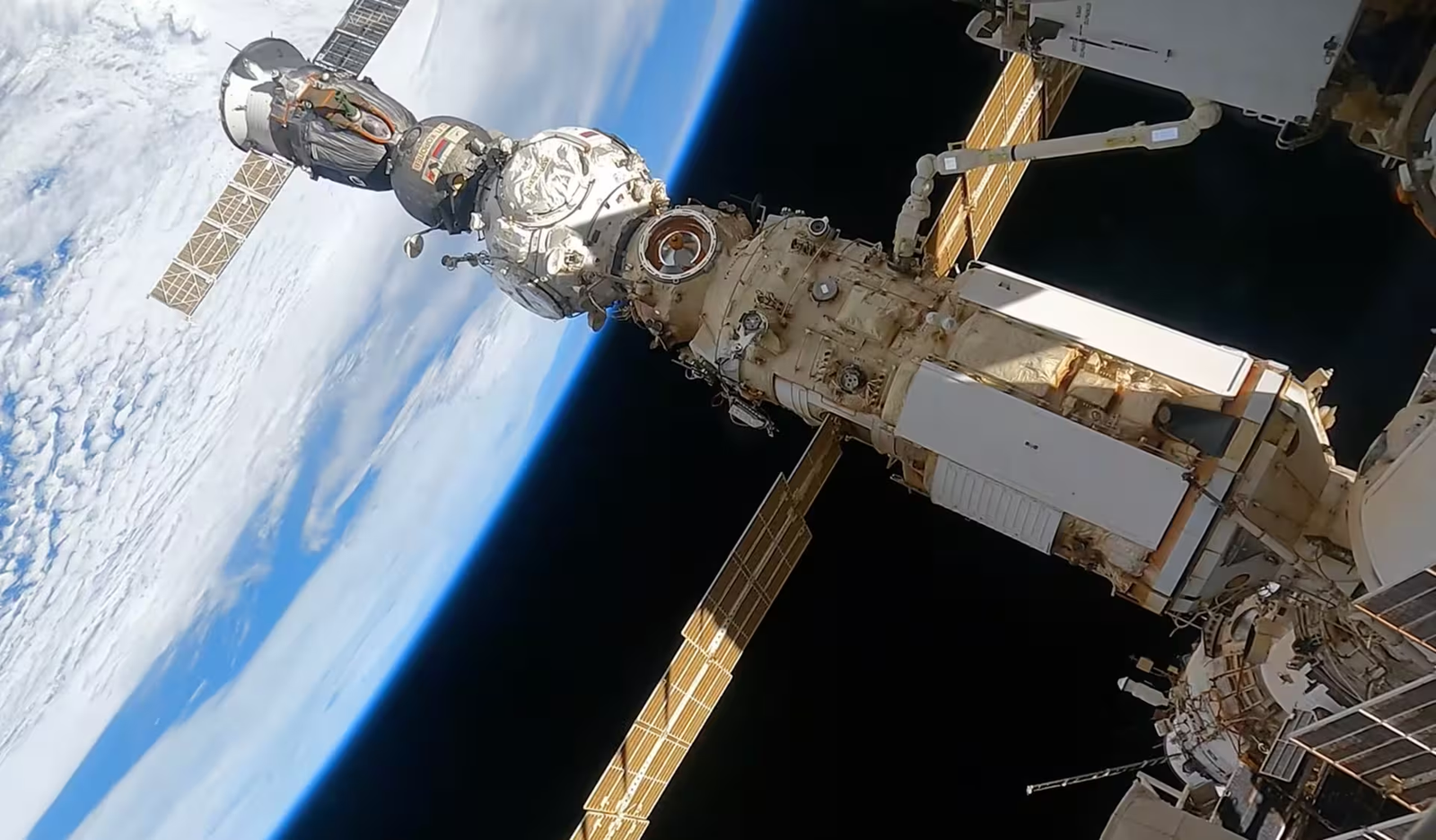
For the first time in history, a living functional system of complex organ structure will return from space and be transplanted into a living being. According to Parfenov, the recipient will most likely be a mouse: its own parathyroid gland will be removed and the one grown in orbit will be implanted to confirm the hormonal function of the organ.
The design of specialized equipment should be completed this year – this is necessary for the timely manufacture and testing of devices. The biofabricator must be as compact as possible due to the limited space of the ISS modules and the high cost of cargo delivery. In addition, the device will need to be adapted to the extreme conditions of space, and special biocapsules will be developed for the safe transportation of living cells.
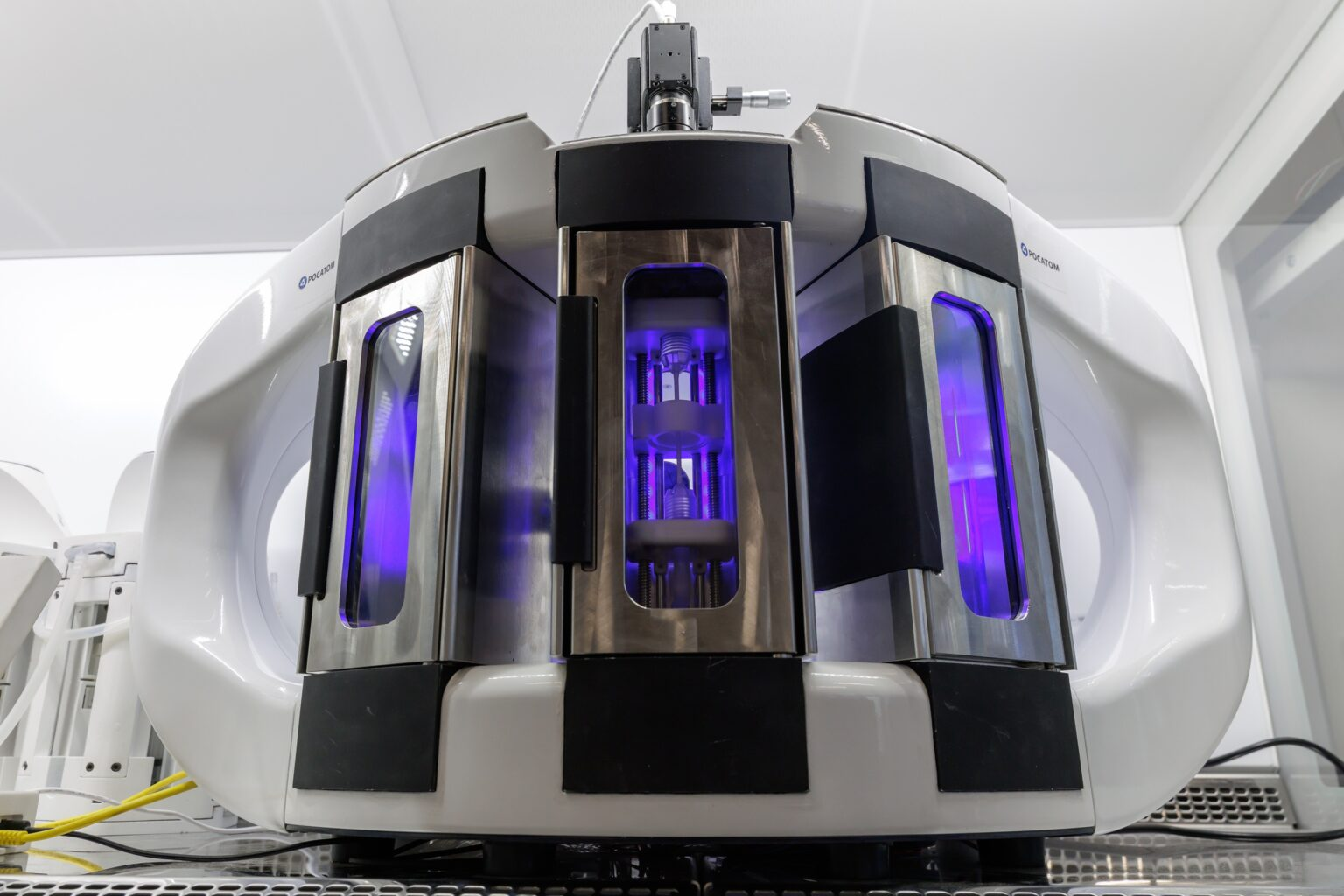
For the experiment, RIITFA specialists will receive low-immunogenic induced pluripotent stem cells – an advanced solution in the field of bioengineering. Using CRISPR-Cas gene editing technology, scientists will reprogram human stem cells into universal ones: such tissues will be suitable for any patient and will not cause immune rejection.
The orbital phase will take about two weeks. Living cells will be delivered to the ISS in isolated cells. The astronaut will activate the material and place it in a bioreactor, where the parathyroid gland will begin to form under the influence of physical fields. After a period of maturation, the sample will return to Earth for further research.
Read more on the topic:
Never miss our newsAdd this site to your preferred sources to see us more oftenAdd on Google

















