Scientists from Volgograd State Technical University (Volgograd State Technical University) have developed an automatic control and filament feeding system (plastic thread) for 3D printing, which has reduced the number of defects in production by up to 15%, according to Sergey Shemelyunas, a lecturer at the university.
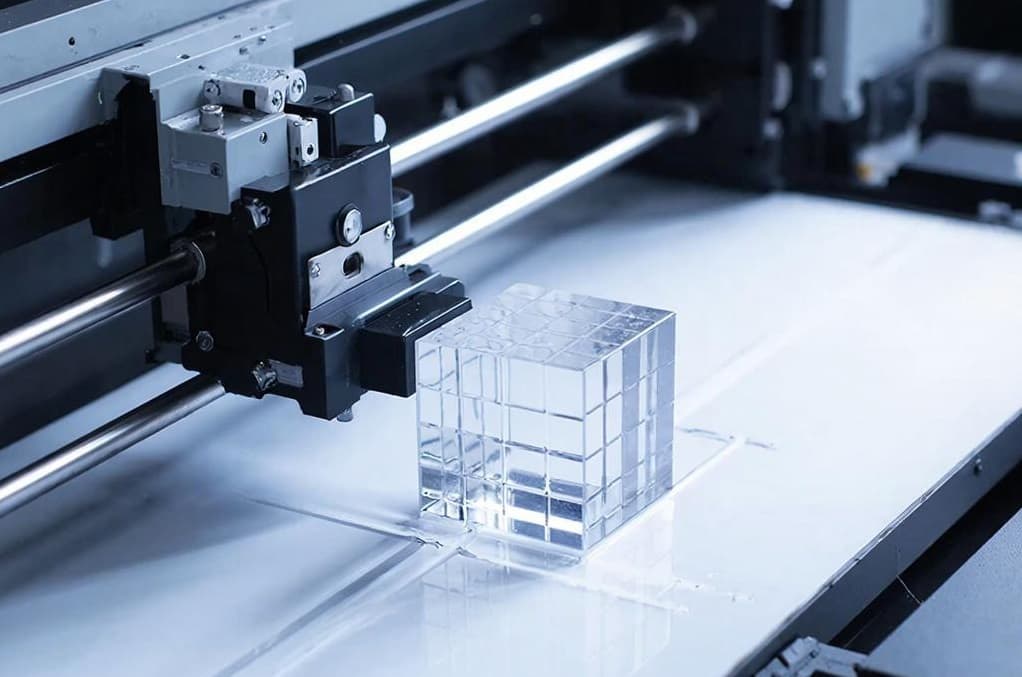
The technology is suitable for FDM (Fused Deposition Modeling) 3D printers.
According to the experimental results, the system allows compensating up to 10-15% of the material feed error caused by diameter instability and reducing deviations in product geometry up to 1%.
As a result, the defect rate of products decreased to approximately 15%, the lecturer added.
The system is based on a non-contact optical sensor and computer vision algorithms that measure the diameter, speed, and quality of the filament in real time. If necessary, the system adjusts the material feed.
Shemelyunas reminded that FDM 3D printing is used in mechanical engineering, aviation, medicine, and education. Printers of this type are used in the manufacture of parts, housings, tooling, and prototypes. Printing accuracy is especially important for creating components from composite materials, he concluded.
Read more materials on the topic:
- 3D printing of prostheses has stepped forward: two metals in one head
- A batch of drops for UAVs printed on a 3D printer was handed over to the front by masters from Novokuznetsk
- Experiments with 3D printing of houses are planned to be allowed in Russia
Never miss our newsAdd this site to your preferred sources to see us more oftenAdd on Google