Specialists from TsAGI named after N. E. Zhukovsky have patented a scheme for a near-sonic aircraft with a design that reduces the risk of flutter. A detailed description of the aerodynamic configuration of the aircraft has appeared in the FIPS database, where three lifting surfaces work together and distribute loads, ensuring the stability of the aircraft.
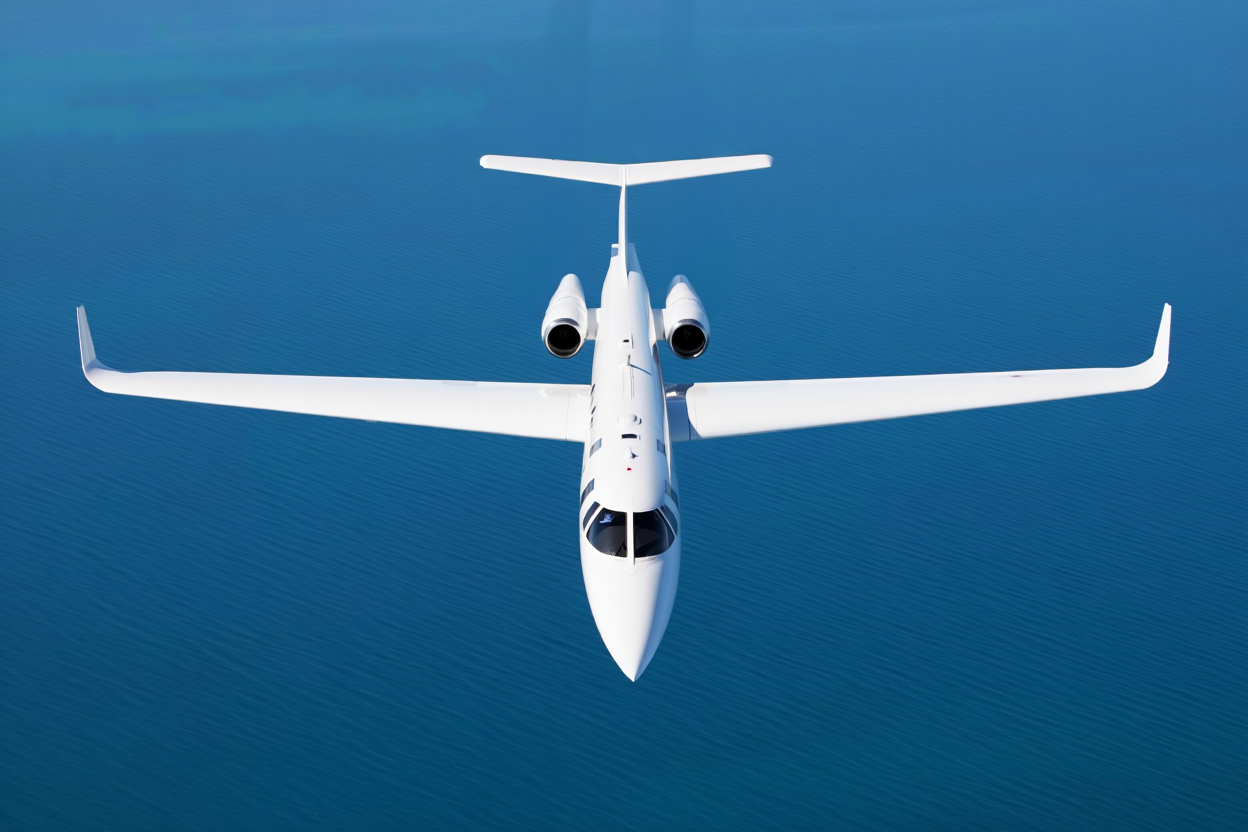
The patent shows a configuration that takes into account the relative position of the wings, the center of mass, and the aerodynamic interaction of the surfaces. This solution reduces the oscillations and vibrations characteristic of near-sonic aircraft.
The control system includes a front empennage, main planes, and rudders. The interaction of these elements allows maintaining flight stability in different modes, while the scheme does not use additional complex mechanisms or spoilers.
The engines will be placed in the tail section next to the central keel and integrated into the overall design of the aircraft. This will ensure balance and distribution of forces affecting stability and aerodynamics.
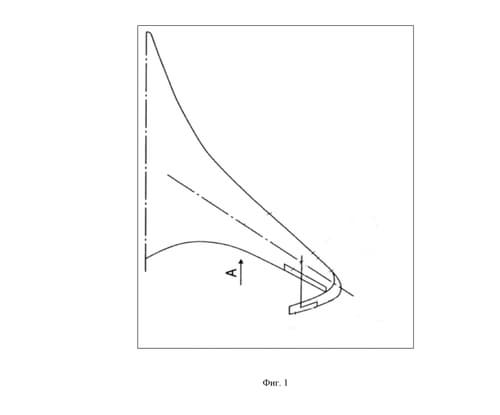
The TsAGI configuration will open up the possibility of creating new near-sonic aircraft with a triplane scheme, where aerodynamic stability is ensured precisely by the geometry and mass distribution, and not by external devices.
Previously, TsAGI also proposed abandoning rigid wing mechanization and spoilers to redistribute aerodynamic force. According to calculations, this solution stabilizes the aircraft at high speed.
Read more materials on the topic:
- New heavy military transport aircraft Il-76MD-90A built in Russia
- MS-21 fairings can withstand from −190 to +450 °C thanks to new composites
- We fly Airbus without the MS-21: the service life of the A320 in Russia will be increased beyond the factory standard
Never miss our newsAdd this site to your preferred sources to see us more oftenAdd on Google

















