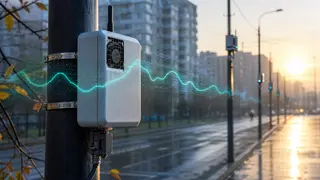
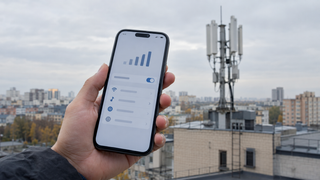
Against the backdrop of mobile internet restrictions and the slowdown of Telegram in Moscow, SMS and voice call traffic has increased dramatically. This was reported by representatives of operators T2, T-Mobile, and SberMobile. According to T2, in the week from March 7 to March 13, SMS traffic in the capital increased by 15.5% compared to the previous week, and voice traffic by 3–4%. T-Mobile recorded a more moderate increase in SMS - about 8% per week. In annual terms, relative to the first half of March 2025, outgoing SMS from the operator increased by 12%, incoming voice minutes by 75%, and outgoing by 80%. At the same time, internet traffic consumption decreased by 16% year-on-year.

Telegram minus 85%: what the operators' statistics showed
In the week from March 9 to March 15, mobile internet traffic in Moscow decreased by 8–9% compared to the first week of March, according to T-Mobile and SberMobile. Telegram traffic for the same period collapsed by 85%, according to SberMobile.
Why the return to calls is technically limited
The redistribution of traffic in favor of voice calls has a technical limit: modern voice communication works through VoLTE technology - voice transmission over a 4G/LTE network. If problems with data transmission persist, the quality of calls also suffers, market experts warn.
Voice traffic in Moscow has already grown by 47–66% in 2025 - after blocking calls in Telegram and WhatsApp in August of the same year. The current internet restrictions may cause a second wave of redistribution: if the restrictions persist, operators will see a structural long-term growth in voice traffic, rather than a one-time spike.
Read more materials on the topic:
- Mobile internet in Moscow operates under new rules
- Wi-Fi no longer saves residents of Moscow and St. Petersburg from internet blockages
- The Internet has dropped everything extra: only sites from the "white list" are opened in Moscow
Never miss our newsAdd this site to your preferred sources to see us more oftenAdd on Google