Translated with AI from the Russian original.
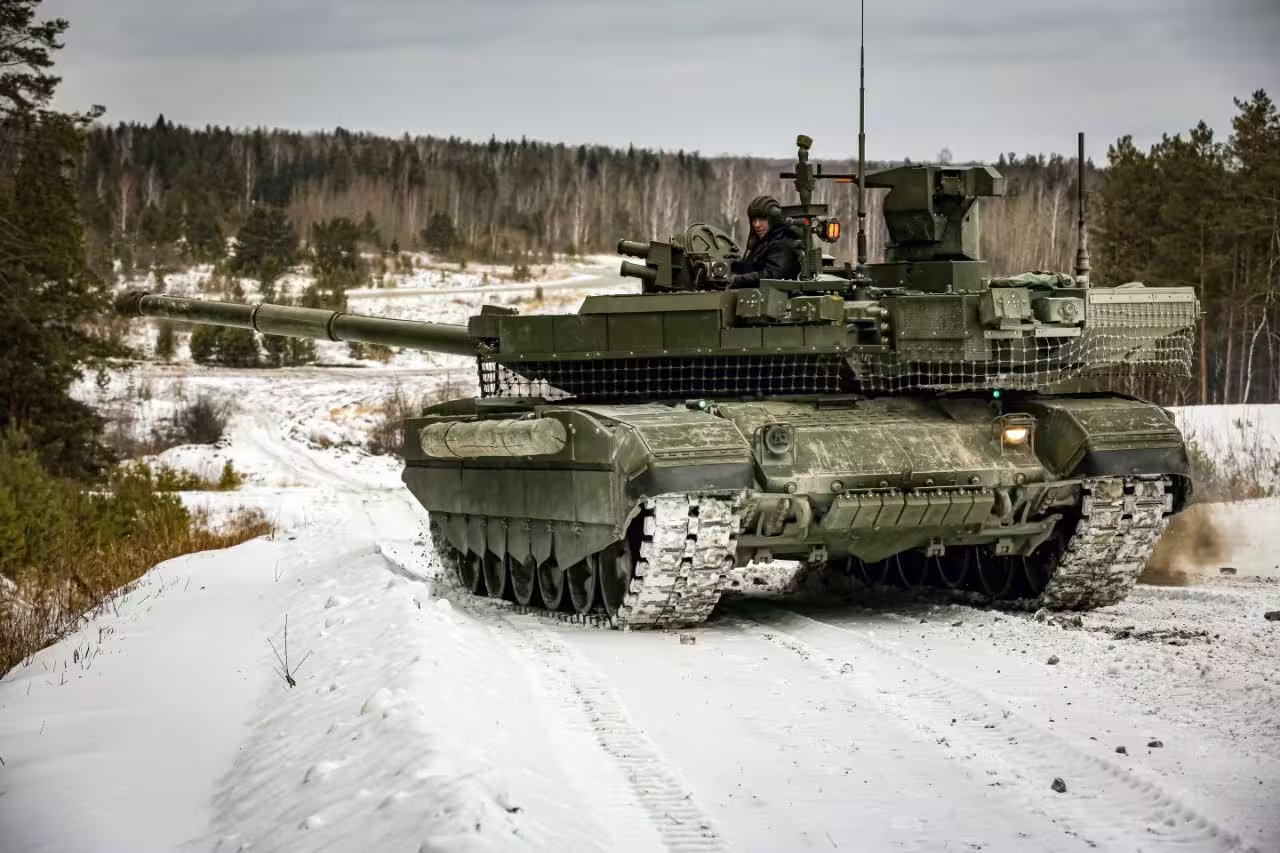
Engineers at the Army General A.V. Khrulyov Military Academy (part of the Russian Ministry of Defence) have developed a new tank suspension system that increases the reliability of the running gear in cold climates. Previously, at low temperatures, shock absorbers often failed — the rod sealing elements suffered, the working fluid leaked out, and the suspension lost operability.
The new device includes a rocker, a drive with a lever, springs, double-arm levers, rods, and a movable flap. The energy of exhaust gases is routed through pipes of different diameters to the first, second, and third suspension assemblies on each side of the tank, which ensures the elements are heated before movement begins.
Before starting the engine, the driver-mechanic moves the rocker, and the drive with a lever activates the mechanism, opening the flap and directing the heat of the gases to the suspension assemblies. This reduces wear on cuffs and rods, prevents fluid leaks, and improves the tank's ride smoothness from the very first meters of movement.
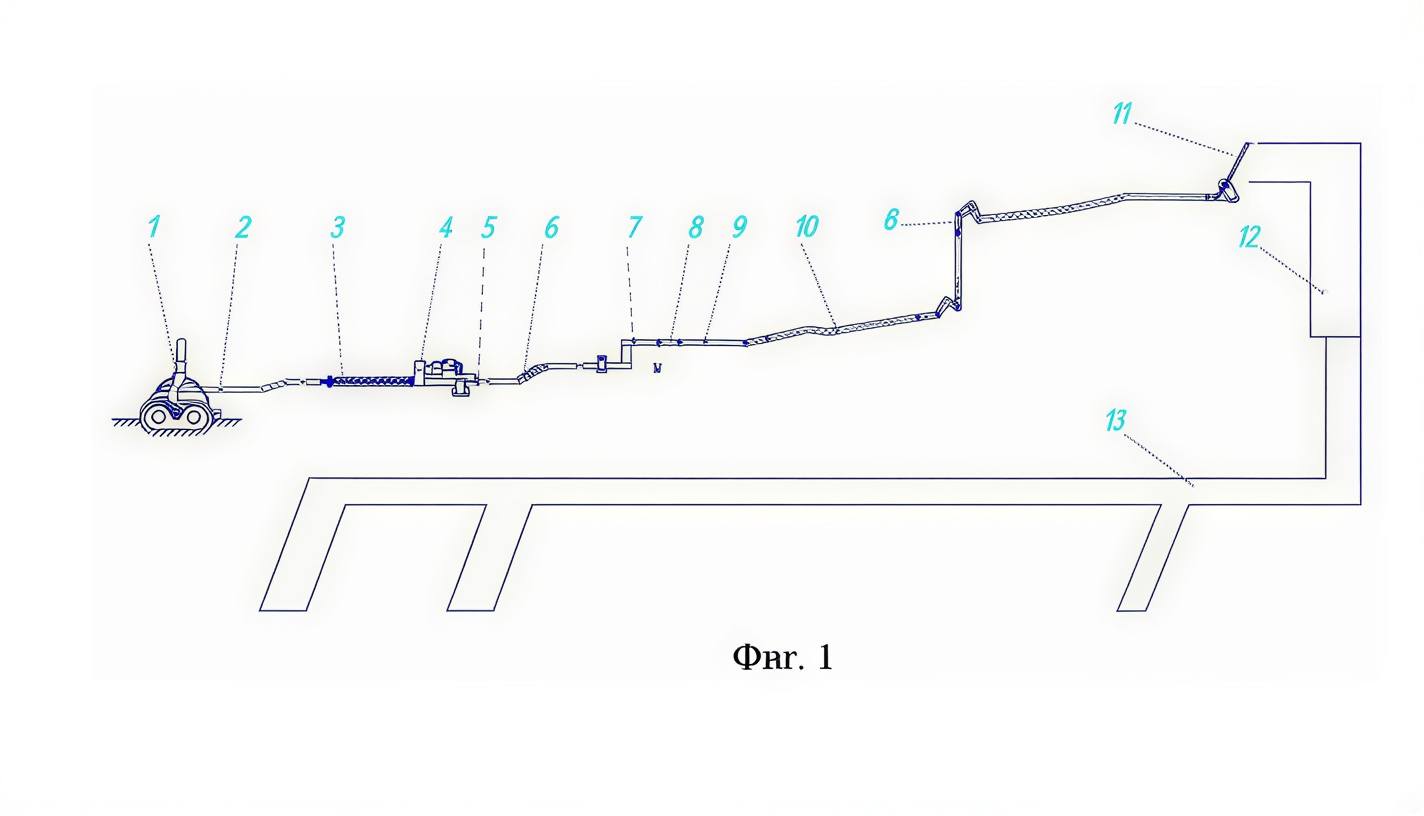
Compared with existing systems, the development stands out for its design novelty and its system for diverting gas energy to the suspension assemblies. The new concept will ensure stable operation of the running gear even in severe frost, without failures or additional warm-up procedures.
Military expert Anatoly Matviychuk emphasized that Russian tanks outperform Western ones because they were originally designed for harsh geographical and climatic conditions — winter, spring-autumn mud season, and heavy clay soil.
Earlier, "First Technical" in a major feature tried to imagine which combat vehicles will replace "Proryv" in the coming decades. The T-90M will become the last in the current line of combat vehicles, Rostekh stated.
Read more materials on the topic:
- "A beast, sheer power": the T-80BVM tank is capable of overcoming minefields
- Russian next-generation tanks will be equipped with kamikaze drones and standard radars
- "Armata" fades into the shadows: Russia is betting on proven tanks
Never miss our newsAdd this site to your preferred sources to see us more oftenAdd on Google

















