The Russian industry will begin work on the PD-26 engine when a specific request for the unit's characteristics is received from the customer. This opinion was expressed in an interview with"Perviy Technicheskiy" by aviation expert Roman Gusarov.

The specialist agreed with the words of the General Director of the National Research Center "Zhukovsky Institute" Andrey Dutov in an interview with"Perviy Technicheskiy" thatit will be possible to talk about working on the unit when a major customer of future wide-body aircraft, such as Aeroflot, finally formulates its requirements.
Everything is correct, the engine is made for specific tasks and a specific aircraft of a certain class. When such a task is formed, then work will begin. When the MS-21 project was launched, the PD-14 engines were immediately identified and a technical task was received.
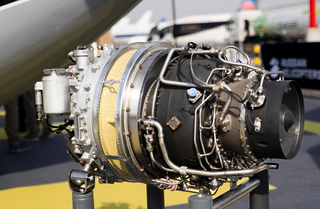
As a reminder, PD-26 is a Russian promising high-thrust aircraft turbofan engine, which is under development, the preliminary design was completed in September 2025. The unit is being created on the basis of the gas generator of the PD-35 engine.