Translated with AI from the Russian original.
ODK explained the operating principles of a gas turbine engine compressor and emphasized its decisive importance for the stable operation of the entire power plant. This refers to a basic unit that ensures air preparation before it is supplied to the combustion chamber and, in fact, determines the efficiency of the entire system.
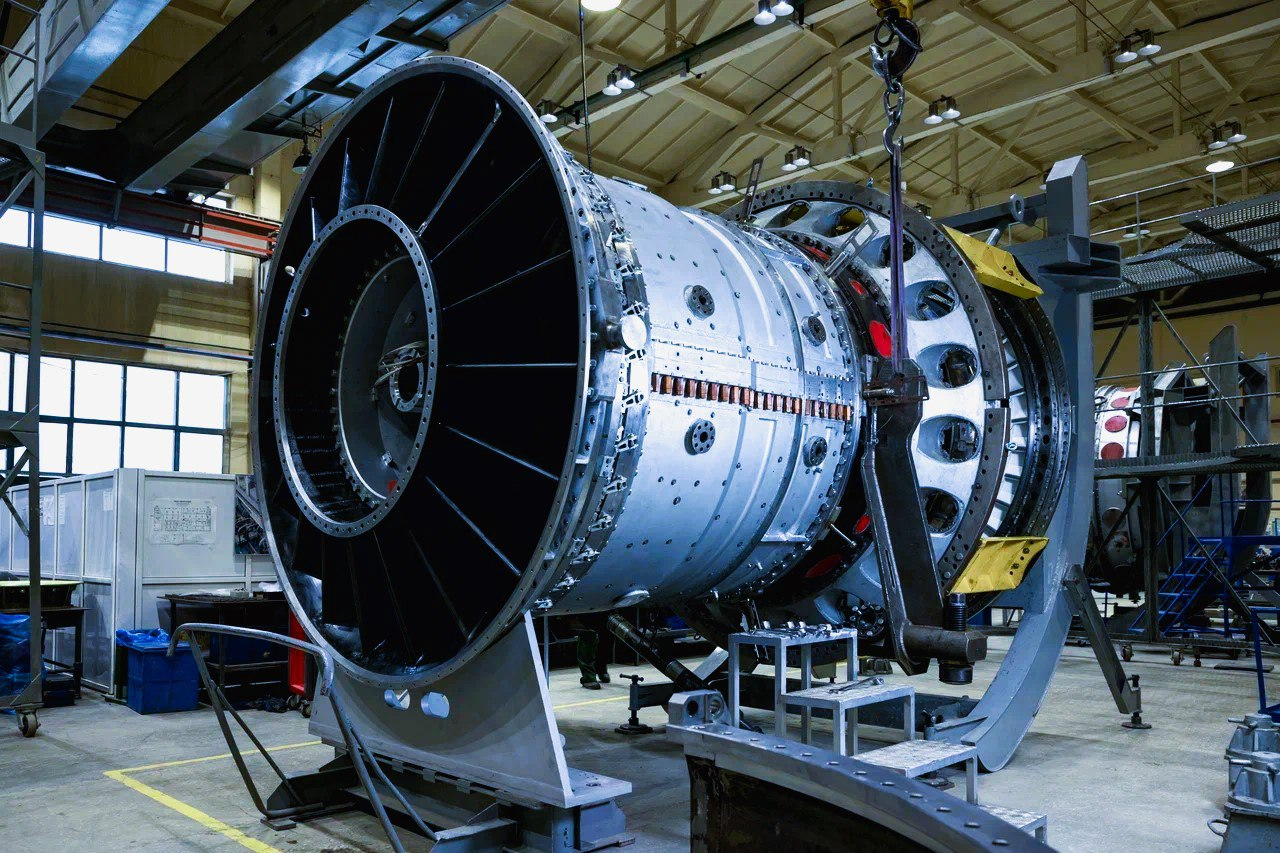
The compressor in a gas turbine performs the function of primary air flow compression, increasing pressure tenfold. In industrial installations, the pressure ratio can reach a range of approximately 10:1 to 30:1 and higher. During compression, the air inevitably heats up to temperatures of about 300–500 degrees Celsius, which is considered a normal consequence of high energy loads in the unit.
According to engineers, it is the operating parameters of the compressor that determine the conditions for further fuel combustion and the engine's thermal balance. Dense compressed air ensures stable ignition of the fuel mixture and the formation of a stable flame in the combustion chamber. With insufficient pressure, the combustion process becomes less efficient and may lose stability.
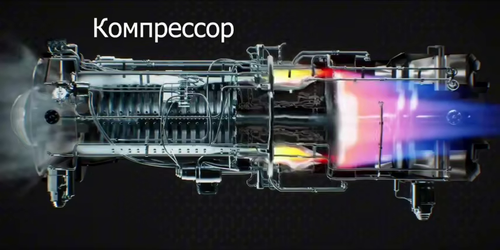
The role of the compressor in the cooling system for hot turbine elements is separately emphasized. Part of the compressed air is directed to protect the walls of the combustion chamber and turbine blades, where temperatures significantly exceed the heat resistance limits of the materials. Without such air cooling, the engine's service life is sharply reduced.
Increasing the compression ratio is directly related to the growth of the thermal efficiency of the gas turbine unit. The higher the pressure at the compressor outlet, the more useful work can be obtained during gas expansion in the turbine and the lower the specific fuel consumption.
Read more on the topic:
Never miss our newsAdd this site to your preferred sources to see us more oftenAdd on Google

















