An artificial intelligence, developed at the Research Institute for Complex Issues of Cardiovascular Diseases (Kemerovo Region), has learned to identify unstable atherosclerotic plaques-the main cause of myocardial infarction-in fractions of a second. While it takes a cardiologist 10 to 30 minutes to analyze similar data, the algorithm processes optical coherence tomography (OCT) images in just 400 milliseconds.
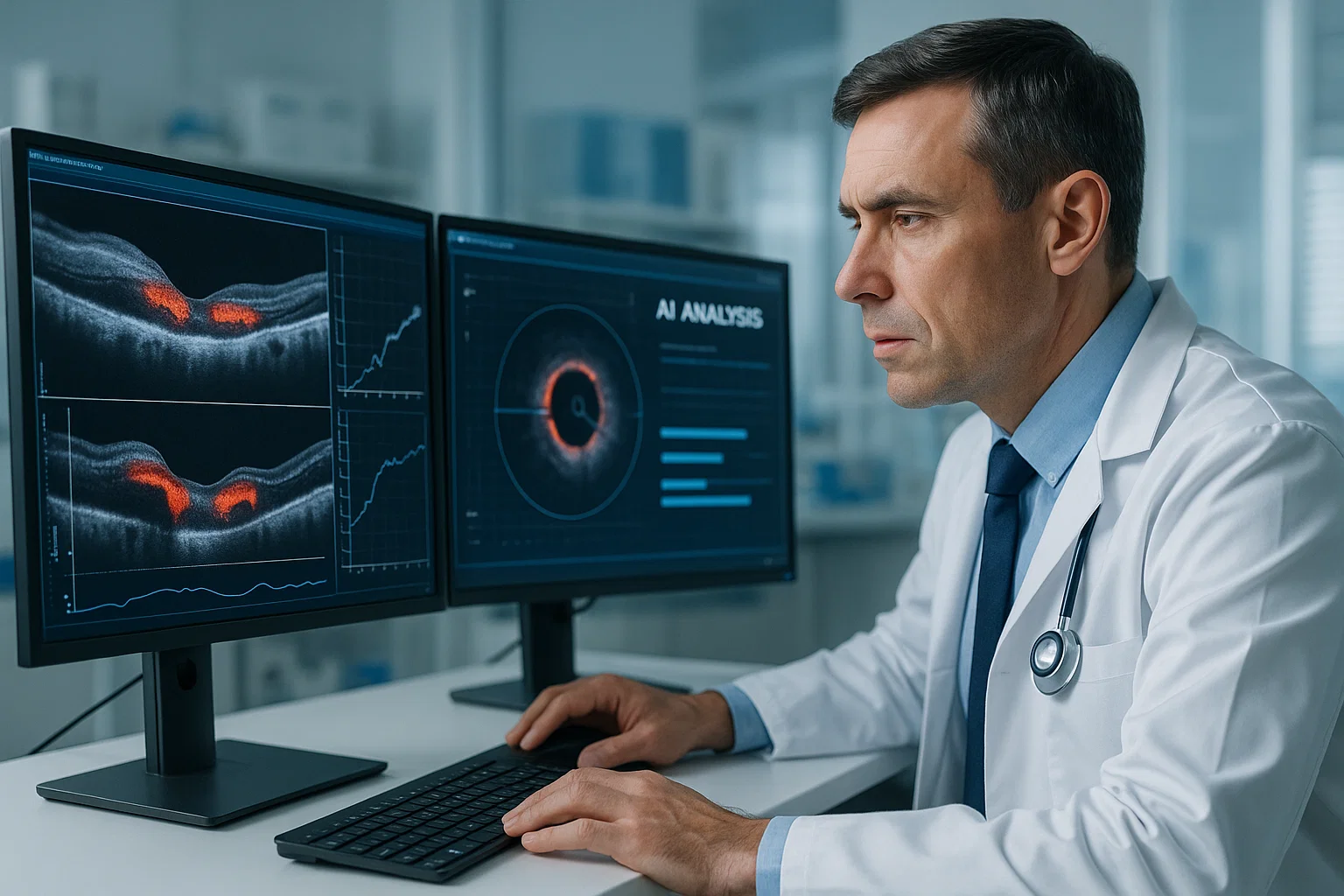
The technology is based on deep learning neural networks, which have been trained on a large array of medical data over two years. The system automatically identifies areas of blood vessels with a high risk of plaque rupture, which is critical for preventing heart attacks.
The rupture of unstable plaques in the heart's blood vessels causes myocardial infarction, so their detection is a key task of modern cardiology. Timely therapy reduces the risk of adverse events, and the introduction of a new system will prevent the development of myocardial infarction. This approach corresponds to the priority direction of healthcare-preventive medicine.
The development has already been presented in leading scientific journals and at international conferences. The project is being implemented with the support of the Russian Science Foundation.
Read more on this topic:
The latest 3D technology in oncology: Sechenov University introduces preoperative breast modeling