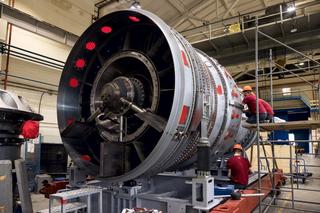
Specialists at the Ural Civil Aviation Plant (UZGA) reported that the VK-800 engine is intended not only for equipping three promising aircraft models—the LMS-901 Baikal, UTS-800, and LMS-192 Osvey—but also for re-engining previously produced L-410s.
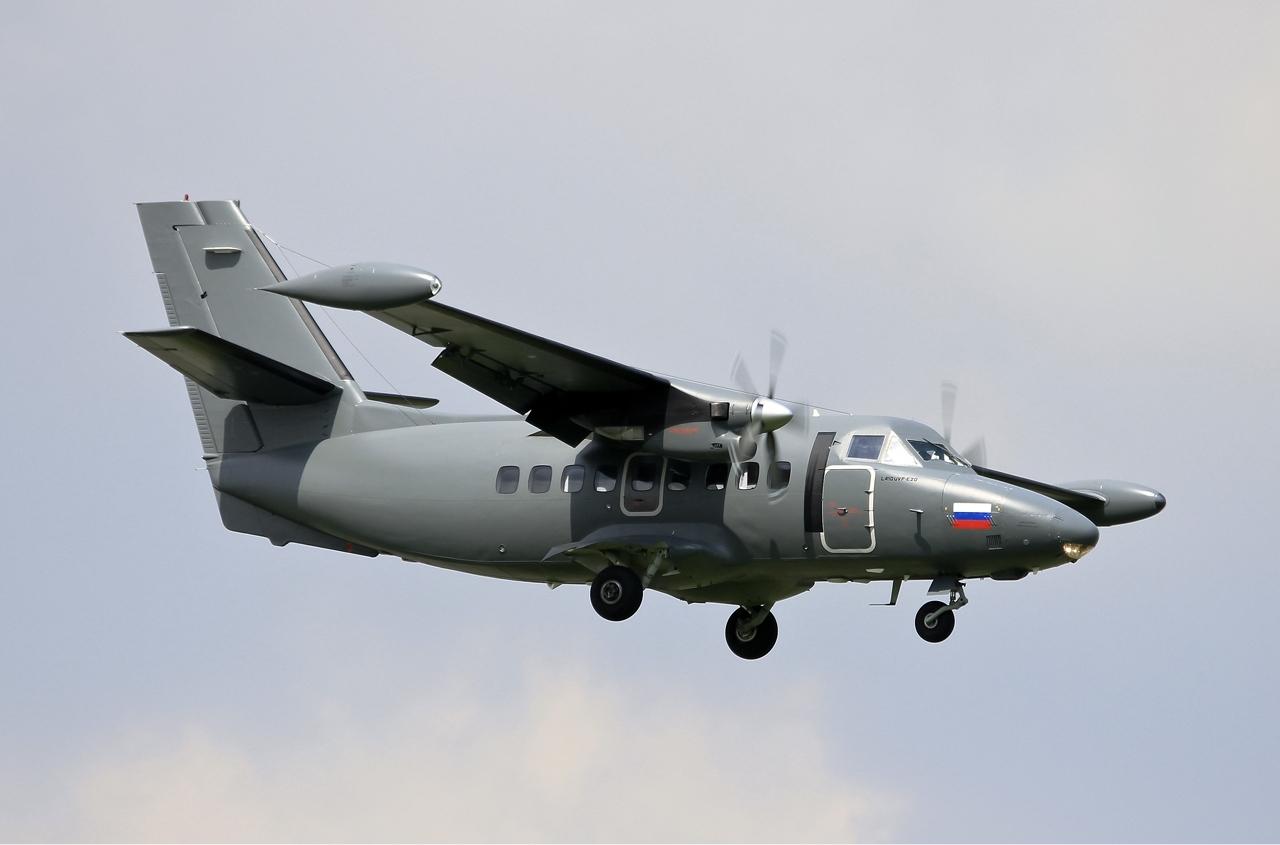
The Ural Civil Aviation Plant (UZGA) is closely associated with the L-410 aircraft. In the 2010s, UZGA was involved in the production of this model, developed by a Czech company. Joint ownership of the plant and the Czech firm belonged to a Russian structure—the Ural Mining and Metallurgical Company (UMMC)—since 2008. In 2022, the Czech side was sold by the Russian owners to European companies due to sanctions. During the cooperation with UZGA, about 130 L-410 UVP-E20 and L-410NG aircraft were produced both in the Czech Republic and in Russia.
According to information from open registers, in 2025, about 60 L-410s were operated in the Russian Aerospace Forces and at least 30 in airlines and organizations.
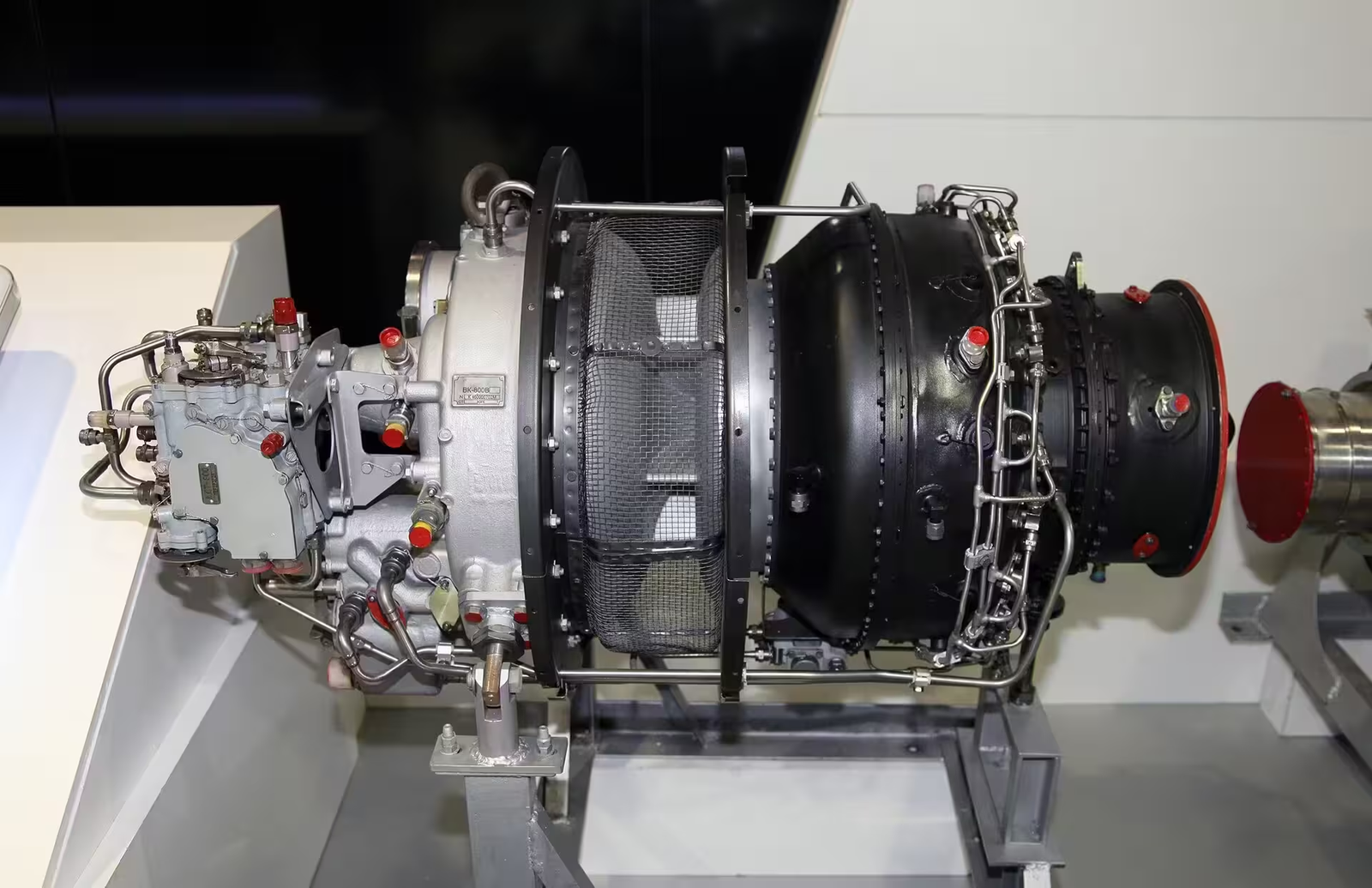
UZGA specialists noted that the VK-800 surpasses the Czech H80-200 engine in terms of weight and efficiency. However, the pace of serial production of the engine remains uncertain: it is in demand for new types of aircraft, which may limit the volume of L-410 re-engining.
The L-410 aircraft is a light twin-engine turboprop multi-purpose aircraft for local airlines. The aircraft was developed in 1966–1967 by the design bureau of the Czechoslovak plant Let Kunovice (now Aircraft Industries, Czech Republic). The first flight of the prototype took place on April 16, 1969, and regular operation began in late 1971.
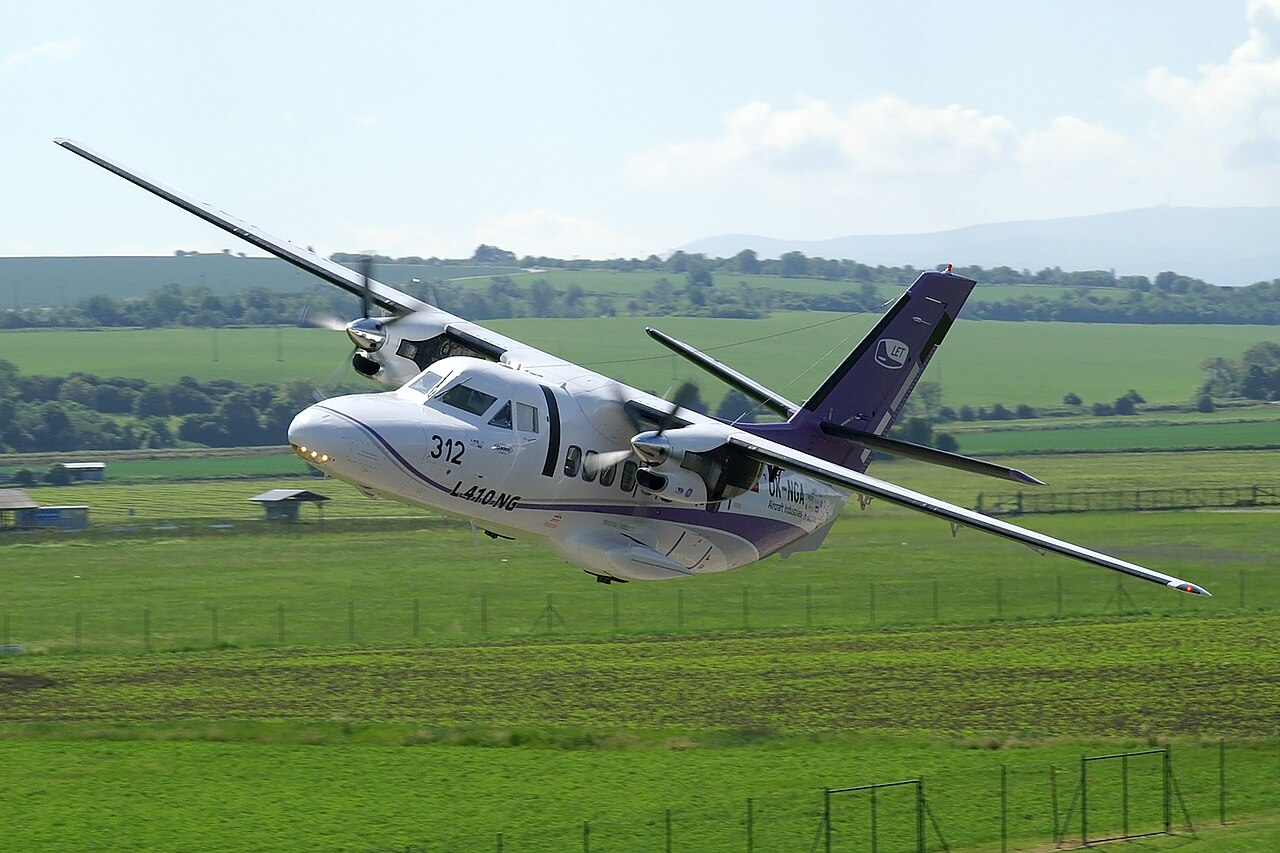
The creation of the L-410 was initiated as part of the cooperation of the CMEA countries: in the 1960s, the civil aviation of the USSR (Aeroflot) was looking for a replacement for the piston-engine An-2—a compact short-haul aircraft for 15–19 passengers, capable of operating from short unpaved, grass, and snow runways. Initially, a similar project (Be-30) was being developed at the Beriev Design Bureau, but along the lines of socialist integration, the task was transferred to Czechoslovakia. The prototypes were equipped with Canadian Pratt & Whitney PT6A-27 engines, and from 1973 they switched to Czechoslovak Walter M601 (later GE H80-200). The main customer and operator for decades remained the Soviet Union, where hundreds of machines were delivered.
In the 1970s–1990s, the L-410 became the main "flying bus" on local routes in the USSR and the countries of the socialist camp. The most popular modification—the L-410 UVP (shortened takeoff and landing) and its development UVP-E20 (since the late 1980s)—received an enlarged wing, interceptors, five-blade propellers, and the ability to carry up to 19 passengers or 1800 kg of cargo over a distance of up to 1500 km. In total, more than 1200 units were produced, a significant part of which was for the Soviet/Russian market.
Read more materials:
- Russian turboprop engine VK-800SP is fully ready for testing on the UTS-800
- UTS-800 will receive an upgraded PNK-800: preliminary tests completed
- UZGA reported on the effectiveness of the UTS-800, but it flies with an American engine during testing
Never miss our newsAdd this site to your preferred sources to see us more oftenAdd on Google


![Growth Point: After 5G Launch, Mobile Internet in Russia Accelerated by 20%","subtitle":"TelecomDaily recorded an upload speed increase of 19.7%, and download speed of almost 14%","announce":""}[]}],](https://media.ixbt.site/fit-in/320x/ixbt-data/1727896/ai-image-nvgq0a0v5cjnyxwoc8xpelva.webp)